Wastewater treatment plants face a growing challenge with pharmaceutical compounds that resist traditional removal methods. Over 70% of pharmaceutical removal in anaerobic treatment occurs naturally through biodegradation or biotransformation processes. No other process can match it.
This guide explores how Anaerobic Digestion and Pharmaceutical Residues interact within wastewater treatment systems that incorporate an anaerobic digestion stage for activated sludge treatment, revealing proven strategies to enhance removal efficiency whilst maintaining stable biogas production.
Your next breakthrough in pharmaceutical contaminant management starts here.
Key Research Paper Takeaways that Explain How Anaerobic Digestion Might Tackle the Pharmaceutical Pollution in Sewers
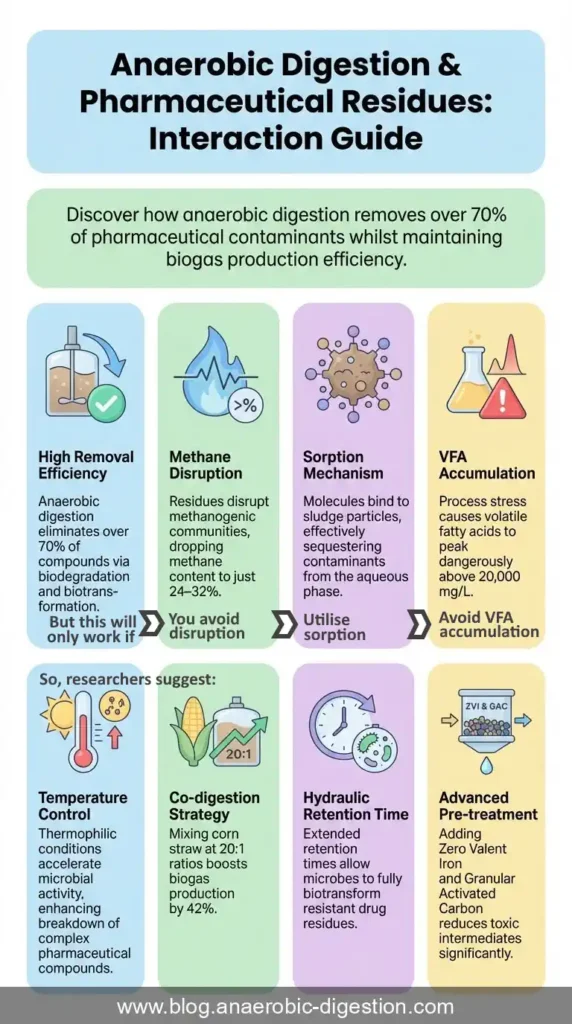
- Anaerobic digestion removes over 70% of pharmaceutical compounds through biodegradation and biotransformation whilst producing valuable biogas for energy recovery.
- Pharmaceutical residues disrupt methanogenic communities, reducing methane content to 24-32% and causing volatile fatty acids to peak above 20,000 mg/L.
- Combined Zero Valent Iron and Granular Activated Carbon reduces pharmaceutical intermediates by 30.48-39.92%, enhancing removal efficiency significantly.
- Thermophilic aerobic reactor plus mesophilic anaerobic digestion systems achieve superior pharmaceutical degradation compared to single-stage anaerobic treatment processes.
- Co-digestion with corn straw at 20:1 ratios increases biogas production by 42% whilst improving pharmaceutical compound removal rates.
Interaction Between Anaerobic Digestion and Pharmaceutical Residues
Pharmaceutical residues create complex interactions within anaerobic digesters that directly affect biogas production and treatment efficiency. These emerging contaminants enter sewage treatment plants through human excretion and improper disposal practices.
The compounds interact with methanogenic archaea and acidogenic bacteria in ways that can disrupt normal fermentation processes. Recent research suggests that anaerobic digestion can enable over 70% removal of pharmaceutical compounds through biodegradation or biotransformation.
The removal occurs mainly through two mechanisms: biotransformation by microbial communities and sorption to sewage sludge particles. But,
Pharmaceutical compounds can impact methane gas production, substrate utilisation, and microbial diversity during treatment.
Additionally, methanogenesis pathways can shift from aceticlastic to hydrogenotrophic routes due to pharmaceutical stress on microbial populations. This shift affects volatile fatty acids production and overall process stability.
Furthermore, some pharmaceutical compounds resist complete breakdown and remain as residuals in treated effluent. In short, without the right biogas plant systems control the toxicity of pharmaceuticals can cause lethal damage to microbial communities, leading to process instability and poor removal efficiencies.
Hydraulic retention time becomes critical as longer exposure allows more complete biotransformation of resistant compounds.
So, industrial wastewater and foul sewage from medical establishments that contain high pharmaceutical concentrations pose particular challenges for anaerobic bioreactors designed for sludge treatment at municipal wastewater treatment plants, while also reducing pharmaceutical pollution.
Fate of Pharmaceutical Compounds in Anaerobic Digestion
Pharmaceutical compounds follow distinct pathways once they enter anaerobic digestion systems, with their ultimate fate depending on complex molecular interactions and environmental conditions.
These organic micropollutants can either bind to biosolids through sorption mechanisms, undergo biological transformation by microbial communities, or persist unchanged throughout the treatment process and be discharged with negative consequences for the aquatic environment.

Sorption of pharmaceuticals onto sludge
Sorption represents a critical mechanism for removing pharmaceutical compounds from wastewater during anaerobic digestion. T. Alvarino et al. developed a rapid method in 2004 for measuring the solid-water distribution coefficient (KD) for pharmaceuticals and musk fragrances in sewage sludge.
This breakthrough allowed waste professionals to better understand how different pharmaceutical compounds interact with biosolids (sewage solids) during the anaerobic process. The distribution coefficient varies significantly between different pharmaceutical classes, making sorption a compound-specific phenomenon that affects treatment efficiency.
Pharmaceutical molecules attach to sludge particles through various mechanisms, effectively sequestering (removing) these contaminants from the aqueous phase. This partitioning between sludge and water phases reduces pharmaceutical concentrations in the final effluent treatment output.
Sorption capacity depends on the physical and chemical properties of both the pharmaceutical compounds and the anaerobic sludge matrix. Higher sorption rates typically correlate with improved removal efficiency in anaerobic digestion systems. However, much of the sequestered pharmaceuticals remain within the digestate, which requires proper management to prevent environmental contamination.
The aim must be to avoid simple sequestration, and research has shown that the conversion of pharmaceuticals into simpler, harmless chemicals can be achieved by adopting the right advanced anaerobic digestion techniques.
That way, biodegradation will occur, as follows:
Biodegradation pathways of pharmaceutical residues
Pharmaceutical compounds follow different biodegradation pathways during anaerobic digestion, with varying degrees of success. Hydrolytic bacteria break down complex pharmaceutical molecules into simpler compounds through enzymatic processes.
Methanobacterium and other archaeal species may then convert these intermediate products into volatile fatty acids (VFAs) and eventually into biomethane. Research shows that thermophilic aerobic reactors (TAR) combined with mesophilic anaerobic digestion (MAD) systems enhance pharmaceutical degradation rates significantly, as demonstrated by T.A.
Currently, sludge digesters in use at sewage works are lower-temperature mesophilic reactors; this would require a major change to normal biogas plant designs.
Ternes et al. (2020) raised the possibilities presented by special iron and activated carbon additives.
The combination of Zero Valent Iron and Granular Activated Carbon reduces pharmaceutical intermediates, with DHEA residuals decreasing by 30.48 ± 6.53%.
Specific pharmaceutical classes undergo different transformation routes during anaerobic decomposition. Antibiotics often resist complete mineralisation, forming persistent metabolites that retain antimicrobial properties.
Composite addition of Zero Valent Iron (ZVI) and Granular Activated Carbon (GAC) improves pharmaceutical breakdown, reducing intermediates like 2,2′-methylenebis(6-tert-butyl-4-methylphenol) by 39.92 ± 4.50% according to Chenbo Dai's research from 2022.
Extracellular enzymes produced by proteobacteria and bacteroidota play crucial roles in hydrolyzing pharmaceutical bonds, whilst maintaining optimal C/N ratios supports microbial activity essential for effective biodegradation processes.
Persistence of specific pharmaceutical classes
Different drug types show varying levels of persistence during anaerobic digestion processes. Antibiotics, hormones, and analgesics often resist complete breakdown due to their complex chemical structures and inherent recalcitrance.
These compounds can be detected in the aqueous phase after the standard extended treatment, creating challenges for wastewater treatment plants seeking near complete pharmaceutical removal.
Chemical structure plays a crucial role in determining how well anaerobic degradation can break down specific drug classes. Compounds with stable aromatic rings or halogenated structures typically persist longer in anaerobic conditions.
Variability in biotransformation leads to inconsistent removal rates for different pharmaceutical classes, making it difficult to predict treatment outcomes.
There is a danger that some pharmaceutical compounds are not completely removed and can persist as residuals in treated effluent, requiring additional tertiary treatment methods such as constructed wetlands for enhanced removal efficiency.
Factors Influencing Pharmaceutical Removal in Anaerobic Digestion
Temperature, hydraulic retention time, and redox conditions work together to determine how effectively anaerobic digestion removes pharmaceutical residues from wastewater treatment systems.
These three critical factors control microbial activity levels and create the chemical environment that either breaks down drug compounds or allows them to persist through the treatment process.
Higher temperatures in thermophilic anaerobic digestion typically accelerate biodegradation pathways compared to mesophilic conditions, while extended hydraulic retention time gives microorganisms more opportunity to transform pharmaceutical molecules into less harmful byproducts.
The oxygen-free environment and specific redox conditions influence which bacterial communities thrive and how they metabolise different classes of drugs, from antibiotics to endocrine disruptions.
Understanding these interconnected variables helps waste professionals optimise biogas production while maximising the removal of pharmaceutical contaminants that could otherwise reach receiving water bodies and cause bacterial resistance or ecological harm.
Temperature effects: mesophilic vs. thermophilic conditions
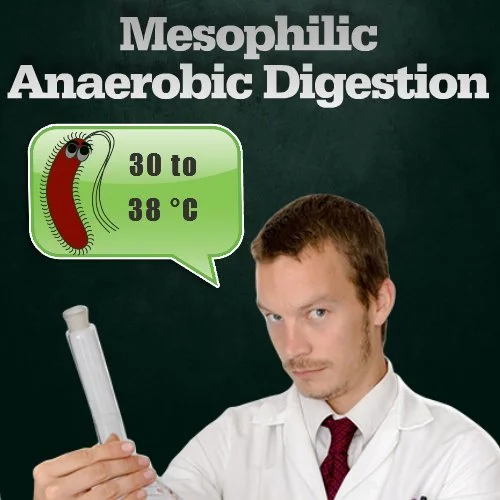
Temperature plays a crucial role in pharmaceutical removal during anaerobic digestion, with mesophilic and thermophilic conditions producing vastly different results. Mesophilic anaerobic digestion operates at 30-40°C, whilst thermophilic processes run at 50-60°C.
Research by T.A. Ternes et al. (2020) demonstrates that TAR + MAD (thermophilic aerobic reactor plus mesophilic anaerobic digestion) significantly enhances pharmaceutical degradation compared to single-stage systems.
Higher temperatures accelerate microbial activity and alter bacterial resistance patterns, leading to improved breakdown of complex pharmaceutical compounds.
The shift from mesophilic to thermophilic conditions fundamentally changes how microorganisms process pharmaceutical residues in wastewater treatment systems.
Thermophilic conditions trigger substantial changes in microbial community composition, affecting both degradation rates and removal pathways for pharmaceuticals. Methanogenic pathway shifts occur under varying temperature regimes, moving from acetotrophic to hydrogenotrophic processes.
These changes impact hydraulic retention time requirements and biogas production efficiency. Thermophilic systems typically achieve higher pharmaceutical removal rates but require more energy input.
Mesophilic systems offer better process stability and lower operational costs, making them suitable for facilities with consistent pharmaceutical loads. The choice between temperature regimes depends on specific pharmaceutical compounds present, energy availability, and required removal efficiency targets.
Retention time and its impact on removal efficiency
Hydraulic retention time (HRT) serves as a critical operational parameter that directly influences pharmaceutical removal rates in anaerobic digestion systems. Longer retention times enable more complete biodegradation of recalcitrant compounds, allowing microbial communities sufficient contact time to break down complex pharmaceutical molecules.
Treatment facilities typically observe improved removal efficiency when HRT extends beyond standard operational periods, particularly for persistent drug residues that resist rapid degradation.
Extended retention periods create optimal conditions for sequential biodegradation pathways, where primary metabolites undergo further transformation into less harmful compounds. Upflow anaerobic sludge blanket reactors demonstrate enhanced pharmaceutical removal when operators increase HRT from standard durations to extended cycles.
The additional contact time allows specialised microbial populations to establish stable communities capable of targeting specific pharmaceutical classes through biotransformation processes.
Redox conditions and microbial activity
Redox conditions directly control which microorganisms thrive during anaerobic digestion and determine the dominant methanogenic pathways. Oxygen-free environments favour strict anaerobes like Methanosarcina, which convert organic matter through either acetotrophic or hydrogenotrophic routes.
Research using 16S rRNA sequencing shows that Euryarchaeota dominated early digestion phases, but pathway selection shifted dramatically under stress conditions. These archaeon populations respond quickly to changes in electron availability and pH levels.
Microbial activity becomes severely compromised when ammonia nitrogen concentrations reach 11.75 to 14.32 g/L, directly inhibiting methanogen function and reducing biogas production efficiency, according to research.
Volatile fatty acids accumulate rapidly under these stressed conditions, with VFAs peaking above 20,000 mg/L whilst methane content drops to just 24% to 32%. The carbon-to-nitrogen ratio plays a critical role in maintaining optimal redox balance, as does hydraulic retention time.
Effects of Pharmaceutical Residues on the Anaerobic Digestion Process
Pharmaceutical residues create significant challenges for anaerobic digestion systems by disrupting the delicate balance of microbial communities essential for biogas production. These drug compounds can severely inhibit methanogenesis, reduce volatile fatty acids conversion rates, and alter the hydraulic retention time needed for effective wastewater treatment.
Inhibitory impacts on methanogenesis
Antibiotics and high ammonia nitrogen concentrations create significant inhibitory effects on methanogens during anaerobic digestion processes. These pharmaceutical residues disrupt the delicate microbial balance required for efficient biogas production, leading to severe operational challenges in wastewater treatment facilities.
Research demonstrates that methane content in biogas drops dramatically to just 25% during the acidification phase following steroid wastewater addition. This sharp decline indicates substantial stress on methanogenic microorganisms, which are essential for converting volatile fatty acids into methane and carbon dioxide.
The recovery process reveals important insights about microbial resilience in anaerobic systems. After stabilisation occurs, methane content gradually recovers to 50-60%, though this represents a significant reduction from optimal performance levels.
Studies show a clear methanogenesis pathway shift during pharmaceutical exposure, with hydrogenotrophic methanogens increasing whilst acetotrophic methanogens decrease substantially.
The disruption extends beyond simple inhibition. It can create cascading effects throughout the entire biological wastewater treatment system that can persist long after initial pharmaceutical exposure ends.
Disruption of microbial community dynamics
PERMANOVA analysis reveals bacterial communities experience significant changes with R2 values of 0.59778 (p = 0.005), whilst archaeal communities show even more dramatic disruption with R2 values reaching 0.94471 (p = 0.01).
These statistical measures confirm that pharmaceutical compounds fundamentally alter the balance of microorganisms responsible for biogas production and wastewater treatment efficiency.
Dominant bacterial phyla undergo marked transitions when pharmaceutical residues enter anaerobic digestion systems. Firmicutes maintain their position as the primary bacterial group, comprising 64-86% of the community, whilst Bacteroidota populations remain relatively stable at 6-10%.
Proteobacteria levels reportedly fluctuate between 2-11%, and Synergistota presence varies significantly across different treatment phases. Genus-level analysis shows dramatic shifts from norank_f__norank_o__MBA03 dominance at 72% in Phase I to Hydrogenispora prevalence at 66.8%, with Euryarchaeota and Halobacterota populations experiencing substantial changes throughout the treatment process.
Generation of toxic intermediates
Partial biodegradation of pharmaceutical compounds during anaerobic digestion creates harmful byproducts that pose serious risks to treatment processes. These toxic intermediates form when microorganisms break down parent pharmaceutical molecules incompletely, leaving behind metabolites that can be more dangerous than the original compounds.
Studies show that specific pharmaceutical classes produce different types of intermediate compounds, with some demonstrating higher toxicity levels than their precursors.
Monitoring volatile fatty acids (VFAs) and tracking VFA/TA ratios helps waste professionals detect toxic accumulation before it disrupts the entire system. Research demonstrates that ZVI plus GAC addition significantly reduces pharmaceutical intermediates, with DHEA residuals dropping to 30.48 ± 6.53% and 2,2′-methylenebis(6-tert-butyl-4-methylphenol) decreasing to 39.92 ± 4.50%.
Process operators must track FOS/TAC ratios alongside traditional biogas production metrics to assess system stability and prevent toxic intermediate buildup that threatens microbial communities essential for effective wastewater treatment.
Removal Mechanisms in Anaerobic Digestion
Anaerobic digestion removes pharmaceutical compounds through two main pathways that work together in wastewater treatment systems. These biological processes capture contaminants on sludge particles while microbes break down complex drug molecules into simpler compounds.
Role of sorption in contaminant removal
Sorption serves as a major removal pathway for pharmaceutical residues during wastewater treatment through anaerobic digestion. Pharmaceutical compounds attach to sludge particles through various mechanisms, effectively removing these contaminants from the liquid phase.
Compound-specific solid-water distribution coefficients (KD) provide crucial data for predicting sorption potential, as demonstrated by T. Alvarino et al. in 2004. These coefficients help waste professionals understand which pharmaceuticals will readily bind to sludge and which may remain mobile in the effluent.
Sludge characteristics directly influence sorption efficiency and determine removal success rates. Organic content and surface area of the sludge play critical roles in pharmaceutical binding capacity.
Higher organic content typically enhances sorption for many pharmaceutical classes, whilst increased surface area provides more binding sites for contaminant attachment. This sorption process sequesters pharmaceuticals within the sludge matrix, reducing their mobility and preventing their release into receiving environments.
Understanding these mechanisms enables operators to optimise hydraulic retention time and sludge management practices for enhanced pharmaceutical removal during secondary treatment processes.
Biotransformation and biodegradation processes
Biotransformation drives pharmaceutical removal through specific microbial populations that break down complex drug compounds into simpler metabolites. These microorganisms use enzymes to modify pharmaceutical structures, creating intermediates that can be further processed or eliminated from the system.
Research suggests that over 70% of pharmaceutical removal in anaerobic treatment occurs through biodegradation or biotransformation processes. Microbial communities adapt to target different pharmaceutical classes, with some compounds proving more resistant than others.
Temperature, pH levels, and hydraulic retention time directly influence how effectively these biological processes operate.
Biodegradation relies on the metabolic activity of anaerobic bacteria that consume pharmaceutical residues as carbon sources. Volatile fatty acids often serve as intermediates during this breakdown process, supporting biogas production whilst removing contaminants.
Evaluating the Efficiency of Anaerobic Digestion for Pharmaceutical Residue Removal
Waste professionals need reliable methods to measure how well anaerobic digestion removes pharmaceutical residues from wastewater treatment systems. Gas chromatography and polymerase chain reaction (PCR) techniques help determine removal rates across different hydraulic retention time periods and temperature conditions.
Comparison with aerobic treatment methods
Direct performance comparisons between anaerobic digestion and aerobic treatment reveal significant differences in pharmaceutical removal capabilities, energy requirements, and operational costs. TAR + MAD (thermophilic aerobic reactor and mesophilic anaerobic digestion) combination enhances pharmaceutical degradation compared to anaerobic digestion alone, as demonstrated by T.A. Ternes et al. in 2020.
| Treatment Parameter | Anaerobic Digestion | Aerobic Treatment | Combined TAR + MAD |
|---|---|---|---|
| Energy Requirements | Net energy producer through biogas generation | High energy consumer for aeration systems | Balanced energy profile with enhanced efficiency |
| Pharmaceutical Removal Pathways | Sorption, limited biodegradation under reducing conditions | Oxidative biodegradation, enzymatic breakdown | Multiple pathways targeting different compound classes |
| Temperature Operation | Mesophilic (35-40°C) or thermophilic (50-60°C) | Ambient to moderate temperatures (15-25°C) | Sequential thermophilic-mesophilic operation |
| Removal Efficiency | Variable, dependent on compound properties | Higher for biodegradable pharmaceuticals | Enhanced removal across pharmaceutical classes |
| Microbial Communities | Methanogenic archaea, fermentative bacteria | Diverse aerobic bacteria, nitrifying organisms | Sequential aerobic-anaerobic populations |
| Retention Time | 15-30 days typical | 6-24 hours typical | Extended retention with staged treatment |
| Oxygen Requirements | None. Strictly anaerobic conditions maintained | Continuous oxygen supply essential | Controlled oxygen management |
| Metabolite Formation | Limited transformation products | Diverse metabolite profiles | More complete mineralisation pathways |
| pH Stability | Buffer capacity through alkalinity | pH fluctuations possible | Enhanced pH control |
| Sludge Production | Lower biomass yield | Higher excess sludge generation | Optimised sludge management |
Thermophilic aerobic pre-treatment increases biodegradability and removal efficiency of certain pharmaceuticals before anaerobic processing. Aerobic systems excel at degrading compounds with aromatic rings through oxygenase enzymes. Anaerobic processes show superior performance for compounds susceptible to reductive conditions.
Operating costs favour anaerobic systems due to biogas recovery offsetting energy inputs. Aerobic treatment demands continuous aeration, increasing operational expenses. Combined systems require higher capital investment but deliver improved pharmaceutical removal rates.
Redox conditions determine which pharmaceutical classes undergo effective degradation. Aerobic environments promote oxidative metabolism of complex molecules. Anaerobic conditions facilitate reductive transformations and hydrolysis reactions.
Key metrics for assessing removal rates
Monitoring pharmaceutical removal requires specific performance indicators that track both process efficiency and environmental protection outcomes. These metrics help waste professionals determine treatment effectiveness and regulatory compliance.
| Metric Category | Key Indicator | Measurement Method | Indicative Target Value | Application |
|---|---|---|---|---|
| Biogas Production | Cumulative Biogas Yield | mL/gVS measurement | 250-750 mL/gVS range | Process viability assessment |
| Gas Quality | Methane Content | Gas chromatography analysis | 60-80% methane | Energy recovery potential |
| Process Stability | VFAs/TA Ratio | Titration method | Below 1.5 after stabilisation | System balance monitoring |
| Peak Performance | Daily Biogas Rate | mL/(gVSd) tracking | 20-120 mL/(gVSd) | Optimal timing identification |
| Co-digestion Efficiency | Synergistic Enhancement | SEE calculation | 20-40% improvement | Substrate mixing benefits |
| Organic Loading | VFA Concentration | Chemical analysis | 10,000-21,000 mg/L | System stress evaluation |
| Nutrient Balance | Carbon/Nitrogen Ratio | Elemental analysis | 20:1 optimal ratio | Microbial growth support |
| Recovery Performance | Post-Acidification Methane | Gas composition testing | 50-60% recovery level | System resilience measure |
Food waste demonstrates superior performance with 758 mL/gVS cumulative biogas production compared to raw waste at 248 mL/gVS. Corn stover shows lower yields at 191 mL/gVS but assists in maintaining stable operation. Peak production rates vary significantly across substrates, with food waste achieving 120 mL/(gVSd) on day 14 in trials.
Process stability indicators reveal critical threshold values for system monitoring. VFAs/TA ratios below 1.5 indicate successful stabilisation after acidification events. Total VFA concentrations peak at 21,000 mg/L during stress periods before declining to 12,000 mg/L at equilibrium.
Co-digestion metrics reportedly show enhanced performance through substrate mixing. Raw waste and corn stover combinations achieve 42% synergistic enhancement at 20:1 ratios. Biogas yields increase to 313 mL/gVS under optimal mixing conditions compared to individual substrate performance.
Methane content serves as a primary quality indicator for energy recovery potential. Food waste produces up to 80% methane content, while corn stover reportedly generates 67.7% methane.
System recovery demonstrates resilience with methane content returning to 50-60% after acidification stress events.
Advanced Anaerobic Digestion Techniques for Enhanced Removal
Standard anaerobic digestion systems often struggle to remove stubborn pharmaceutical compounds from wastewater streams. Modern treatment facilities now deploy enhanced techniques that boost removal rates through strategic process modifications and innovative reactor designs.
Co-digestion with additional substrates
Co-digestion transforms pharmaceutical residue removal by combining wastewater sludge with organic materials like corn straw. Research shows that adding corn straw at a 20:1 ratio achieves remarkable results, boosting biogas production efficiency by up to 42% through synergistic enhancement.
This approach generates 313 mL/gVS of biogas yield, significantly outperforming single-substrate anaerobic digestion systems.
Corn straw co-digestion creates optimal conditions for breaking down stubborn pharmaceutical compounds whilst maintaining stable system performance. The balanced carbon-to-nitrogen ratio at 20:1 provides essential nutrients that support diverse microbial communities in the anaerobic membrane bioreactor.
These enhanced microbial populations show improved capabilities for biotransformation of pharmaceutical residues, particularly during extended hydraulic retention time periods. Food waste combined with corn straw also demonstrates positive synergistic enhancement efficiency of 28% at the optimal ratio, proving that resource recovery from multiple waste streams delivers superior treatment outcomes.
Integration of pre-treatment methods
Pre-treatment methods transform stubborn pharmaceutical compounds into more digestible forms before anaerobic digestion begins. Pre-hydrolysis with straw prevents acidification while improving overall system performance.
These techniques break down complex molecular structures that resist standard biological treatment. Thermal pre-treatment, chemical oxidation, and enzymatic breakdown create better conditions for microbial activity during biogas production.
Composite addition of Zero Valent Iron (ZVI) and Granular Activated Carbon (GAC) delivers measurable improvements to treatment efficiency. Research by Chenbo Dai et al. (2022) shows this combination increases COD removal by 13.4% and methane production by 11.0%.
The ZVI and GAC mixture reportedly reduces pharmaceutical intermediate concentrations while mitigating toxicity effects on microbial communities. Enhanced biodegradability results from these pre-treatment approaches, leading to better removal of persistent pharmaceutical residues throughout the wastewater treatment process.
Environmental Implications of Pharmaceutical Residues in Treated Wastewater
Pharmaceutical compounds that escape anaerobic digestion processes enter receiving waters and pose significant threats to aquatic ecosystems. These persistent contaminants accumulate in sediments and bioaccumulate through food chains, creating long-term environmental risks that require immediate attention from wastewater treatment professionals.
Release of residual pharmaceuticals into receiving environments
Treated wastewater from anaerobic digestion systems carries pharmaceutical residues directly into rivers, lakes, and coastal waters. These compounds survive the treatment process and enter natural water bodies through discharge points.
Surface water monitoring reveals measurable concentrations of antibiotics, hormones, and pain relievers downstream from wastewater treatment facilities. Reclaimed wastewater used for irrigation spreads these contaminants across agricultural soils, creating multiple exposure pathways.
Regulatory gaps create significant challenges for waste professionals managing pharmaceutical contamination. Current discharge permits rarely include limits for pharmaceutical compounds, leaving facilities without clear guidance on acceptable levels.
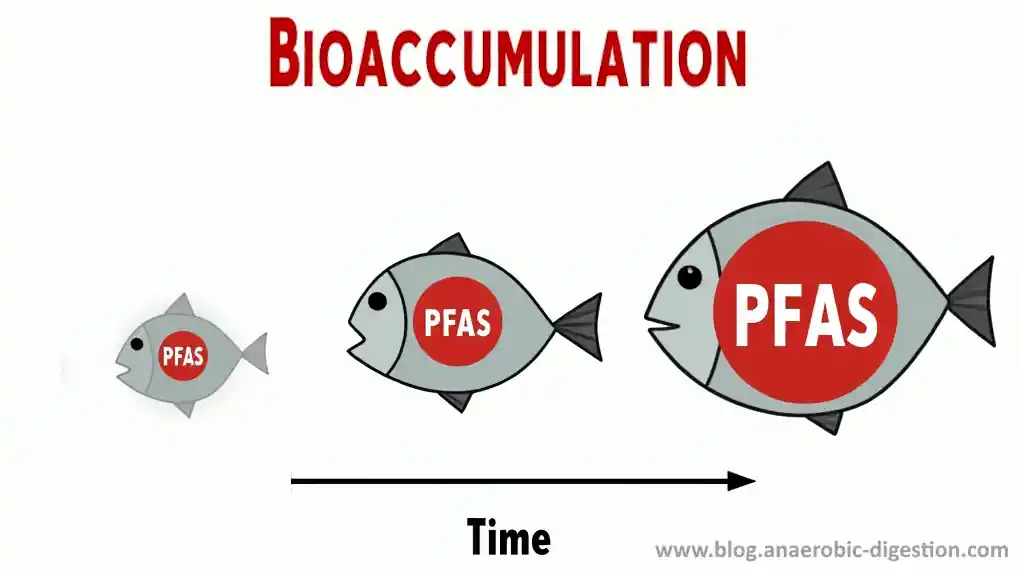
Bioaccumulation occurs when aquatic organisms absorb these persistent chemicals, concentrating them through food webs. Fish, shellfish, and aquatic plants show detectable pharmaceutical residues, particularly in areas receiving high volumes of treated effluent from urban treatment plants.
Risk assessment for aquatic ecosystems
Risk assessment for aquatic ecosystems requires systematic evaluation of pharmaceutical concentrations in treated wastewater before discharge. Long-term exposure to trace pharmaceuticals can cause toxicological effects, endocrine disruption, and bacterial resistance in aquatic species.
Fish populations show altered reproductive behaviour after contact with hormone-based medications. Invertebrates experience reduced survival rates from antibiotic residues in water systems.
Bioaccumulation of pharmaceuticals has been observed in aquatic and terrestrial food chains, creating cascading effects throughout ecosystems.
Multiple pharmaceutical compounds create complex interactions that amplify environmental risks beyond individual substance impacts. Risk is magnified by the combined presence of multiple pharmaceutical residues from diverse sources, making traditional single-compound assessments inadequate.
Anaerobic digestion systems must achieve specific removal rates to protect downstream environments. Monitoring programmes track pharmaceutical concentrations in receiving waters to validate treatment efficiency.
Regulatory frameworks establish discharge limits based on ecological protection thresholds rather than human health standards alone.
Future Directions in Anaerobic Digestion and Pharmaceutical Residue Research
Researchers are developing sophisticated predictive models that combine machine learning algorithms with real-time monitoring systems to forecast pharmaceutical removal efficiency in anaerobic digestion processes.
These models will help waste professionals optimise hydraulic retention time and biogas production whilst minimising the environmental impact of persistent pharmaceutical compounds in treated wastewater.
Development of predictive models for removal efficiency
Predictive models for pharmaceutical removal efficiency require careful integration of operational factors to deliver accurate results. These models must incorporate hydraulic retention time (HRT), temperature variations, and co-digestion ratios as core variables.
The Liushui Town biogas project in Hubei, China provides valuable large-scale data that demonstrates how these factors interact in real-world anaerobic digestion systems. C/N ratio measurements, ammonia nitrogen concentration levels, and microbial community dynamics serve as critical input parameters for model calibration.
Model development benefits from quantitative performance metrics that track actual system behaviour. Standard error of estimate (SEE) calculations, biogas yield measurements, and volatile fatty acids (VFAs) monitoring provide essential data points for validation.
Biogas production rates offer direct feedback on system health and pharmaceutical removal effectiveness. Coefficient of determination values help assess model accuracy against measured removal rates.
These metrics enable waste professionals to fine-tune predictive algorithms and improve removal efficiency forecasts for different pharmaceutical classes in wastewater treatment facilities.
Exploration of combined biological and physicochemical treatments
Combined biological and physicochemical treatments represent the next frontier in pharmaceutical residue removal from wastewater treatment systems. Anaerobic digestion paired with zero-valent iron (ZVI) and granular activated carbon (GAC) creates powerful synergies that tackle stubborn pharmaceutical compounds more effectively than standalone processes.
These hybrid approaches address the fundamental limitation where anaerobic digestion alone struggles with certain pharmaceutical classes, particularly antibiotics and hormones that resist biodegradation under oxygen-free conditions.
Hybrid systems like anaerobic membrane bioreactors coupled with membrane distillation demonstrate remarkable results in both contaminant removal and biogas production optimisation.
Pre-treatment strategies using ZVI combined with GAC significantly reduce pharmaceutical toxicity while enhancing biodegradability of resistant compounds. This dual approach protects the sensitive microbial communities essential for volatile fatty acids production and methanogenesis, ensuring stable wastewater treatment performance whilst achieving superior pharmaceutical removal rates compared to conventional biological treatment methods.
Conclusion
Anaerobic digestion presents a promising solution for managing pharmaceutical residues in wastewater treatment systems. This biological process removes over 70% of pharmaceutical compounds through biodegradation whilst producing valuable biogas.
Treatment facilities must carefully monitor hydraulic retention time and temperature conditions to optimise removal efficiency. The technology offers waste professionals an energy-efficient alternative that reduces sludge production compared to conventional aerobic methods.
Future research will focus on developing predictive models and integrated treatment approaches to tackle these emerging contaminants more effectively.
FAQs
1. How do pharmaceutical residues affect anaerobic digestion in wastewater treatment systems?
Pharmaceutical residues can disrupt microbial cell activity during anaerobic digestion, reducing biogas production efficiency. These compounds interfere with the natural breakdown of organic matter and volatile fatty acids formation. Treatment facilities must monitor pharmaceutical concentrations to maintain optimal biogas power generation.
2. What role does hydraulic retention time play when pharmaceutical compounds are present?
Extended hydraulic retention time helps microorganisms adapt to pharmaceutical stress in anaerobic digestion systems. Longer retention periods allow better neutralisation of harmful compounds.
3. Can moving bed biofilm reactor technology handle pharmaceutical residues effectively?
Moving bed biofilm reactor systems provide enhanced bioremediation capabilities for pharmaceutical-contaminated wastewater. The immobilised biocatalysts on biofilm carriers offer better resistance to pharmaceutical toxicity than conventional treatment methods.
4. How do pharmaceutical residues impact volatile fatty acids production during sludge treatment?
Pharmaceutical compounds can inhibit the microbial processes that convert organic matter into volatile fatty acids. This disruption affects the overall anaerobic digestion efficiency and reduces biogas production from anaerobically digested sludge.
5. What buffering strategies help maintain stable anaerobic digestion with pharmaceutical contamination?
Proper buffering maintains pH stability when pharmaceutical residues create acidic conditions during treatment of sewage. Operators can adjust alkalinity levels and monitor oxygen demand to ensure consistent biogas production. Some facilities use sequencing batch reactor systems for better process control.
6. How do different organic substrates like glucose and starch perform in pharmaceutical-affected systems?
Simple substrates such as glucose break down more easily than complex carbohydrates when pharmaceutical residues are present. Lignocellulose and starch require specific cellulases that may be inhibited by pharmaceutical compounds, reducing overall treatment efficiency.