



Biogas

Biogas and Climate Change: The Real Benefits and the Hidden Dangers
Biogas brings genuine climate benefits — cutting methane, recycling waste and replacing fossil gas. But poorly run plants leak methane, and food-crop feedstocks can backfire. Here is our honest, updated view of biogas and climate change.

Biogas in the UK: Anaerobic Digestion Technology, Current Statistics & Net Zero Potential
Biogas technology powers the UK’s renewable energy transition. With 750 anaerobic digestion plants generating 21 TWh of biomethane annually, the industry has grown substantially. Discover current statistics on AD capacity, potential to produce 120 TWh by 2050, and how biogas supports UK climate and energy security goals.

Electricity Generation from Biogas: How It Works, at Every Scale
Electricity generation from biogas is proven technology at every scale, from a single home digester to large farm, landfill and sewage plants. Here is how it works, where it pays, and why upgrading to biomethane and transport fuel increasingly competes with it.

Distillery Wastewater to Biogas: Recovering Energy and Fertiliser
Biogas plants at distilleries can turn organic wastewater into renewable energy while preserving nutrients for use as liquid fertiliser. A Landia GasMix project in India illustrates the opportunity to connect distillery production, energy recovery and agricultural recycling.
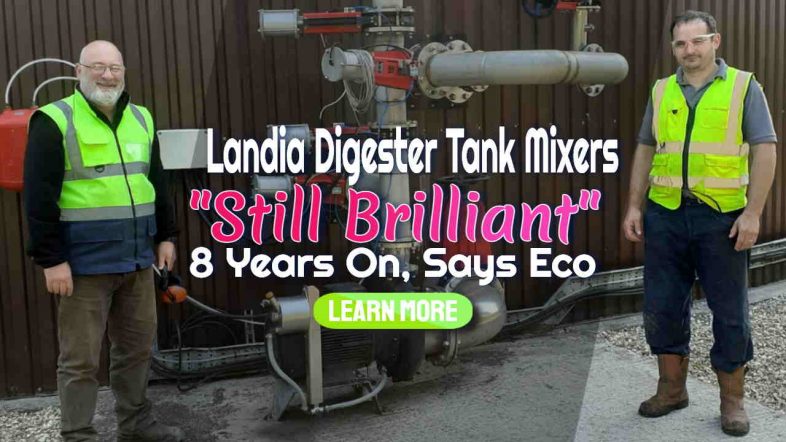
Landia Digester Tank Mixers: GasMix at Eco Sustainable Solutions
Sponsored coverage of Landia digester tank mixers, featuring the Eco Sustainable Solutions GasMix installation. Includes historical operating reports, updated maintenance context and practical FAQs.
Biogas Future Prospects: The 2018–2022 Outlook in Context
A historical look at biogas and biomethane prospects during 2018–2022, including ADBA commentary and growth forecasts. An October 2026 editorial note explains the limits of the original coverage and points readers towards more recent information.
A Comprehensive Review of the Top 7 Fixed Biogas Analysers: Your Definitive Buyer’s Guide for 2026
A 2026 buyer’s guide to the top 7 fixed biogas analysers built for continuous, SCADA-wired monitoring on biogas plants. Covers NDIR, electrochemical, paramagnetic and laser-based (TDLAS) technology, real manufacturers and models (Siemens, SICK, QED/LANDTEC, Awite, Union Instruments, BlueSens, DURAG), SCADA protocols, ATEX certification, installation and maintenance best practice. Portable handheld analysers are covered in a separate article.
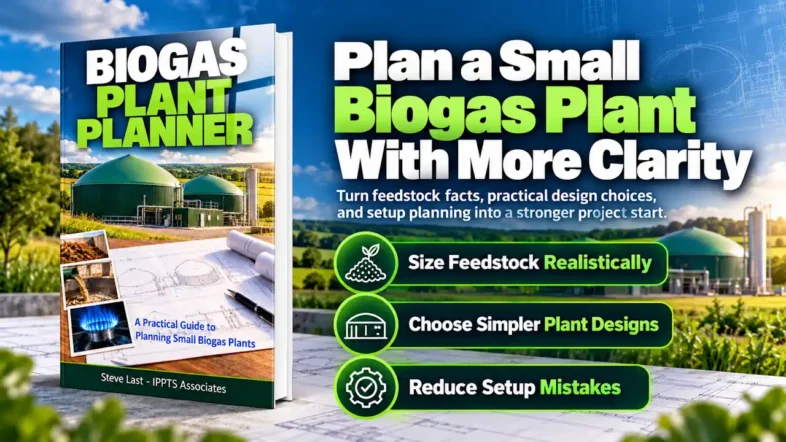
How to Plan a Small Biogas Plant Without Getting Lost in Confusing Designs, Equipment Choices, and Setup Decisions
If you’re searching for how to plan a small biogas plant, you’re probably already discovering that the difficult part is not finding information. It’s making sense of it. One source talks about digester size. Another focuses on gas yield. A supplier emphasises equipment. A diagram online shows a plant that appears simple enough to copy. […]

The Importance of Biogas: 10 Benefits for Energy, Cities, Farms and Homes
For many years, the importance of biogas was discussed mainly in terms of renewable energy, waste recycling and reducing greenhouse gas emissions. Those benefits remain important. But events in 2026 have brought another advantage sharply into focus: energy security and resilience. When internationally traded oil and gas supplies are disrupted, the consequences can travel thousands […]

Combat Desertification with Biogas and Digestate: How Anaerobic Digestion Helps Soils Resist Drought
Anaerobic digestion can help combat desertification by protecting vegetation, recycling nutrients and helping degraded soils retain more water. By converting manure and other organic wastes into renewable biogas and nutrient-rich digestate, AD provides useful energy while returning valuable nutrients and organic material to farmland. Its benefits work through two complementary pathways. Biogas can reduce the […]
Fugitive Emissions Testing: The Complete Guide for the Biogas Industry UK
Fugitive Emissions Testing: A Comprehensive LDAR Handbook for the UK Biogas Sector Did you know? Up to 3% of valuable biogas can quietly dissipate every year from a typical UK plant as fugitive emissions—enough to damage your bottom line and the environment. This is more than just an operational hiccup; it’s a hidden threat to […]
Is Biogas Sustainable? Benefits, Limitations and Its Role in Renewable Energy
Biogas can be one of the most useful forms of renewable energy because it does something that wind turbines and solar panels cannot do: it can produce renewable energy while treating organic wastes that society must deal with anyway. Food waste, manure, sewage sludge, agricultural residues and other biodegradable materials naturally decompose. When that decomposition […]
