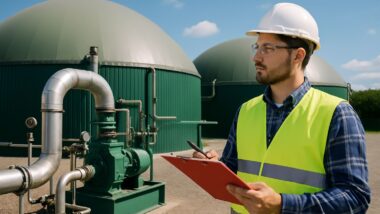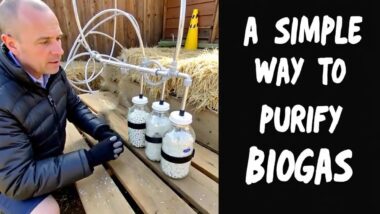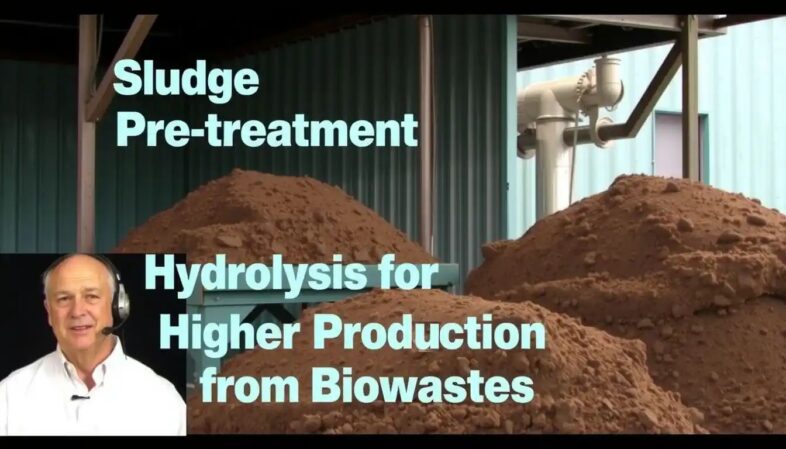
Hydrolysis of biowastes when used as pretreatment breaks down tough cell walls, releasing cellular content, accelerating anaerobic digestion (AD). Breaking down complex organic materials—proteins, lipids, and carbohydrates—into soluble, simpler monomers like amino acids, fatty acids, and sugars gets going sooner. So, this process increases biodegradability, reducing the rate-limiting bottleneck in waste-to-energy systems, particularly for sewage sludge and lignocellulosic biomass.
Main Points
- Hydrolysis pretreatment can boost biogas yield by up to 80% from biowastes, making it an essential step for efficient renewable energy production.
- Subcritical water hydrolysis of food waste can achieve impressive biogas yields exceeding 800 mL/g of volatile solids under optimal conditions.
- Two-stage anaerobic digestion systems that separate the hydrolysis phase yield better results compared to traditional single-stage systems.
- The selection of hydrolysis method (thermal, chemical, mechanical, or enzymatic) should be customized to the specific biowaste composition.
- Applying appropriate hydrolysis techniques can significantly cut down digester volume requirements and improve the overall economic feasibility of biogas projects.

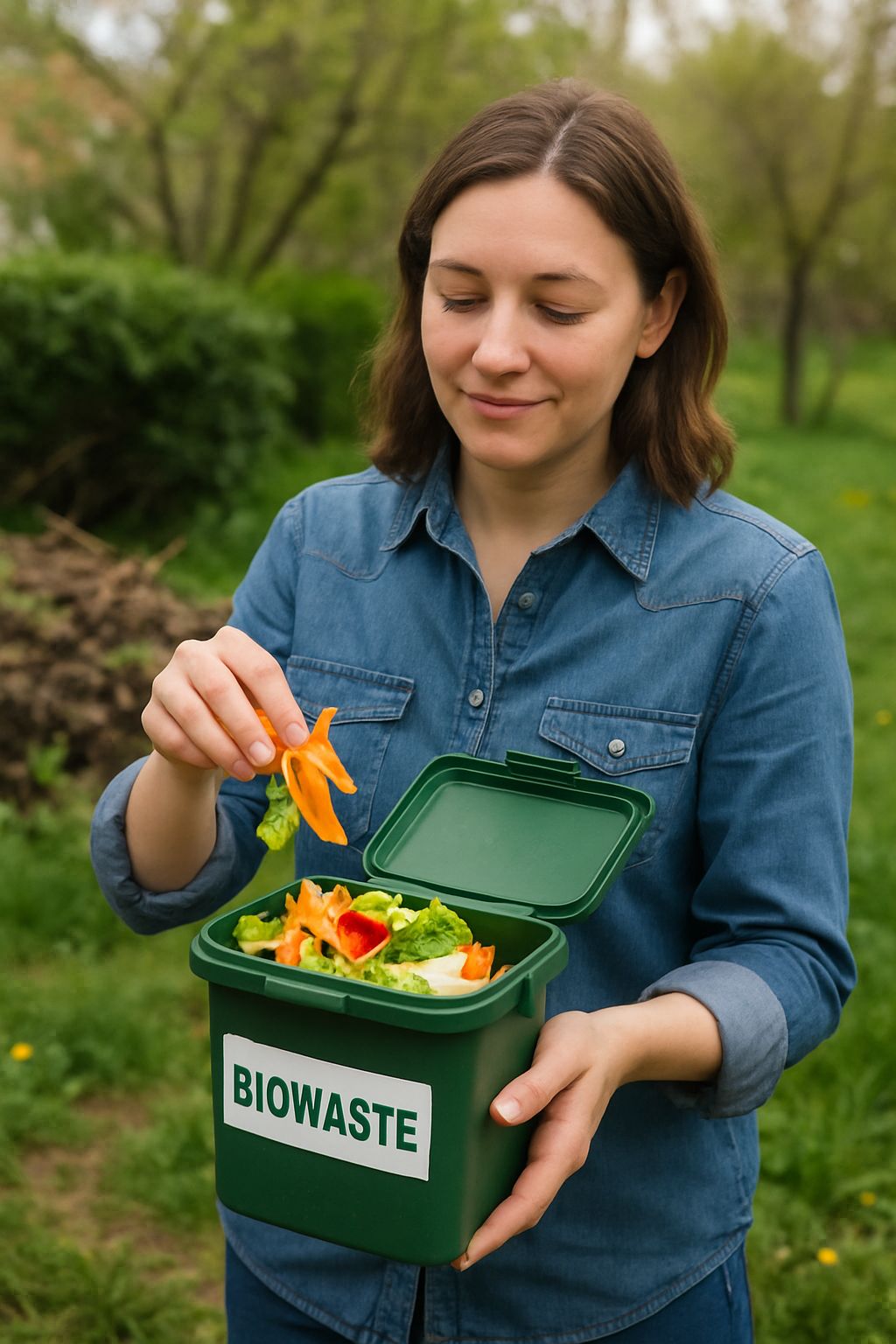
The lady is showing us biowaste, but that's not what the AD industry refers to in general when using that term. “Biowaste” and “biosolids” to a water treatment expert are polite ways to talk about sewage sludge produced by aerobic (aeration) treatment at a sewage works.
Converting biowaste into clean energy isn't just a possibility—it's a necessity for our sustainable future. The secret is in optimising the very first step of the process: hydrolysis. By improving this crucial phase, we can significantly increase biogas production while addressing waste management issues. GreenEnergy Solutions has been at the forefront of developing advanced hydrolysis techniques that turn ordinary biowaste into extraordinary sources of renewable energy.
One of the most promising sources of renewable energy is biogas production through anaerobic digestion. This process converts organic waste into a valuable source of fuel and reduces greenhouse gas emissions. However, traditional methods often lack efficiency. This is where innovative pretreatment solutions like hydrolysis come in, as they are increasingly important for maximising output and economic viability.
Existing Problems in Biogas Production from Biowastes
The path from waste to energy is not always straightforward. Conventional biogas production encounters several substantial obstacles that restrict its widespread use and economic feasibility. Comprehending these problems is crucial for realizing why hydrolysis technologies offer such an important advancement in the industry.
Challenges with Converting Complex Organic Materials
Many types of biowaste contain complex organic compounds that are difficult to break down during anaerobic digestion. For example, agricultural residues often contain lignocellulosic materials, which have tough lignin structures that protect the cellulose and hemicellulose from being broken down by bacteria. Even food waste, which has a high energy potential, often contains fats, proteins, and complex carbohydrates that don't easily convert to biogas without help. These complex molecular structures cause a bottleneck in the hydrolysis stage, which reduces the overall efficiency of the biogas production process.
Lengthy Digestion Periods and Long Retention Times
Biowastes often need to be in digesters for a long time before they start producing a significant amount of biogas, especially if they haven’t been pretreated properly. Traditional systems usually require hydraulic retention times of 20-30 days or even longer. This not only increases the cost of operations but also requires a larger digester volume. This lengthy process also limits the capacity, particularly for facilities that process a large volume of waste. The slow rate of natural hydrolysis is the limiting factor in the entire four-stage anaerobic digestion process (hydrolysis, acidogenesis, acetogenesis, and methanogenesis).
Traditional Methods Yield Limited Biogas
Conventional biogas systems usually only produce a small portion of the theoretical maximum yield from biowastes. When complex organic materials are resistant to breakdown, large amounts of potential energy remain trapped in the digestate instead of being converted into biogas. Research indicates that untreated food waste typically only converts 40-60% of its theoretical biogas potential under conventional conditions. This efficiency gap represents both a missed opportunity for renewable energy and a challenge to the economic feasibility of biogas projects.

Understanding the Role of Hydrolysis in Biowaste Conversion
Hydrolysis is the first and most critical step in the anaerobic digestion process. It is responsible for breaking down complex organic compounds into simpler substances that are easier to digest. By focusing on improving this basic step, we can get the most out of biowaste conversion. The benefits of enhanced hydrolysis are not limited to a single area of biogas production. Instead, they have a ripple effect, improving the entire system.
Turning Complicated Molecules into Easy-to-Digest Parts
Hydrolysis is the process of using water molecules to break chemical bonds, turning complex polymers into their simpler building blocks. Proteins are converted into amino acids, carbohydrates into simple sugars, and lipids into fatty acids during this transformation. This important breakdown makes previously resistant materials available to the acid-forming and methanogenic bacteria in subsequent digestion phases. By improving this first step, we can effectively remove the bottleneck that limits the rate of conventional biogas production systems.
Speeding Up the First Phase of Anaerobic Digestion
Hydrolysis, as it occurs naturally, is a slow process, especially when dealing with lignocellulosic materials that are resistant to microbial degradation. However, with advanced hydrolysis pretreatment, this process can be dramatically sped up, reducing the time required from several days to just a few hours. This speed increase translates directly into a higher throughput capacity, smaller digester needs, and faster biogas production. Studies have shown that effective hydrolysis pretreatment can decrease the necessary hydraulic retention time by 30-50%, while maintaining or even increasing gas production rates.
Setting the Stage for Methanogenic Bacteria
The enhanced hydrolysis process breaks down biowastes into simple sugars, amino acids, and fatty acids. These products create the perfect nutritional environment for the bacteria that come into play in the later stages of the process. By focusing on perfecting the hydrolysis process, we make sure that methanogenic bacteria have a constant supply of compounds that are easy to digest. This optimization of nutrition increases the bacteria's activity and reproduction rates, which in turn increases the efficiency of the biogas production process. The end result is a more stable and productive anaerobic digestion system that produces biogas with a significantly higher methane content.
Four Hydrolysis Techniques for Boosting Biogas Production
Hydrolysis pretreatment technology has come a long way, and there are now several effective methods for breaking down complex biowastes. Each method has its own set of benefits that can vary depending on the type of feedstock, the desired results, and the limitations of the operation. By knowing what these methods are, operators of biogas facilities can choose the technology that is best suited for their particular requirements.
1. Thermal Hydrolysis: Decomposition Through Heat
Thermal hydrolysis uses high heat—usually between 120-180°C—to break down cellular structures and chemical bonds in organic materials. This method works particularly well for waste activated sludge and high-protein food waste. The heat treatment causes proteins to denature, fats to melt, and cell walls to break, exposing organic matter that was previously inaccessible to anaerobic bacteria. Modern thermal hydrolysis systems often work under pressure to reach higher temperatures without boiling, which improves efficiency and lowers energy requirements through heat recovery systems.
2. Acid and Alkaline Treatments: Chemical Hydrolysis
Chemical methods use acids or bases to break down complex organic materials by changing the pH level. Acid hydrolysis (which uses sulfuric, hydrochloric, or organic acids) is very good at breaking down cellulose and hemicellulose in plant-based waste. Alkaline treatments (which use sodium or calcium hydroxide) are especially good at breaking down lignin structures that usually resist biodegradation. The chemical method can be adjusted to specific waste streams, with the amount and contact time carefully optimized to be as effective as possible while using as few chemicals as possible. Many facilities use neutralization steps after treatment to make sure the pH level is just right for the next step, anaerobic digestion.
3. Mechanical Hydrolysis: Physical Breakdown Methods
Mechanical techniques physically destroy cell structures through grinding, milling, high-pressure homogenization, or ultrasonic treatment. These methods increase the surface area available for microbial attack while breaking down tough outer structures. Ultrasonic treatment is notable for its ability to create microscopic cavitation bubbles that implode with extreme force, breaking cell walls and releasing intracellular materials. Mechanical methods require no chemicals and minimal heating, making them environmentally friendly, though they typically require significant electrical input. They are especially useful for fibrous materials and bacterial biomass with tough cell walls.
4. Enzymatic Hydrolysis: Using Biological Catalysts
Enzymatic hydrolysis uses specific biological catalysts to break down certain molecular bonds in organic waste. Commercial enzyme cocktails, which contain cellulases, proteases, amylases, and lipases, can be customized to the exact composition of the waste stream. This highly specific method allows for mild treatment conditions (ambient temperature and neutral pH) while still achieving a high level of breakdown efficiency. Although the cost of enzymes has historically limited their widespread use, recent advances in production technology and enzyme engineering have made this method more economically viable, especially for facilities that process homogeneous waste streams like food processing byproducts.
Merging Techniques for Optimal Results
Top-tier biogas plants frequently employ combined strategies, using more than one hydrolysis method to get the best results. For instance, a gentle heat treatment followed by enzyme hydrolysis can greatly cut down on the amount of enzymes needed while still achieving an excellent breakdown. This cooperative strategy tackles various structural elements at the same time, bypassing the restrictions of using just one method.
Studies have demonstrated that using a combination of these strategies can boost methane production by 30-50% in comparison to methods that only use one strategy. This makes it a valuable tool for enhancing biogas production from a variety of waste materials. The secret to success is to carefully integrate and optimize processes to ensure energy and resource efficiency while maximizing biogas production.
Subcritical Water Hydrolysis: A Revolution in Food Waste Management
Subcritical water hydrolysis (SWH) is a hydrolysis technique that has shown great potential in the conversion of food waste. This novel method uses water under high pressure (below the critical point) and temperatures ranging from 100-280°C. At these conditions, water undergoes significant changes in its properties and can function as a solvent, reactant, and catalyst all at once.
Best Temperature and Pressure Conditions
Studies have shown that SWH works best for food waste at about 159°C in a carefully controlled pressure environment. This temperature allows the subcritical water to break down complex carbohydrates, proteins, and lipids without creating harmful degradation products that could hinder subsequent anaerobic digestion. The pressure keeps the water liquid even though the temperature is high, which improves its ability to dissolve things and the speed of its reactions.
Usually, the process needs a pressure range between 5-15 MPa, with most research pinpointing 10 MPa as the sweet spot for efficiency and energy needs. These precise conditions create the ideal setting for quick hydrolysis while preventing the creation of stubborn compounds that might slow down biogas production.

Over 800 mL/g VS Biogas Yield from Food Waste Hydrolysate
The outcome from SWH treatment is nothing less than astounding. Research shows that food waste hydrolysate generated under the best conditions can reach biogas yields of over 800 mL per gram of volatile solids (VS) added. This is almost double the yield usually obtained with untreated food waste and is close to the theoretical maximum gas potential of the substrate.
These hydrolysates show even better results when they are co-digested with other substrates such as pulp wastewater. Some studies have recorded yields of 807 mL/g VSre. The improved conversion efficiency means more energy output and better waste processing abilities.
Removing 80% of Volatile Solids
SWH treatment not only boosts biogas production but also removes volatile solids with an efficiency of about 80%. This impressive conversion rate suggests that more organic material is converted into usable biogas instead of remaining in the digestate. The thorough breakdown of complex organics allows for an almost complete conversion during the following phases of anaerobic digestion.
Subcritical Water Hydrolysis Performance Metrics
Temperature: 159°C
Pressure: ~10 MPa
Volatile Solids Removal: 80%
Biogas Yield: 760-807 mL/g VS
Methane Content: 60-65%
For more detailed information on hydrolysis processes, you can explore Bioplex Ltd's hydrolysis page.
Next-Level Hydrolysis Optimisation: The Two-Stage Anaerobic Digestion Systems
Two-stage anaerobic digestion systems take hydrolysis optimisation to a new level by physically separating the hydrolysis/acidogenesis phases from the methanogenesis phase. This innovative method allows for the optimisation of each environment individually, significantly improving the overall performance of the system.
Splitting Hydrolysis/Acidogenesis and Methanogenesis
Understanding that different microbial communities function best under different conditions is the key to two-stage digestion. Hydrolytic and acidogenic bacteria prefer slightly acidic environments (pH 5.5-6.5) and can handle shorter retention times. Methanogenic archaea, on the other hand, need a neutral pH (7.0-8.0) and more stable conditions. By physically dividing these processes into separate reactors, each environment can be made as efficient as possible without any trade-offs.
This division stops the methanogens from being inhibited by quickly changing conditions or temporary buildups of volatile fatty acids. The first-stage hydrolysis reactor can be run more boldly, with greater loading rates and shorter retention times, while the methanogenic reactor keeps the steady environment needed for the best biogas production.
Creating the Perfect Environment for Each Microbial Community
In the first stage, hydrolytic conditions can be fine-tuned to ensure the maximum breakdown of complex organics. Factors such as temperature, pH, mixing intensity, and retention time can all be optimized specifically for hydrolysis and acidogenesis without the need to worry about methanogenic requirements. This specialized environment speeds up the first step, which is often the slowest, while also creating the perfect substrate for the second stage.
The second stage of the methanogenic process gets a pre-hydrolyzed material that is high in volatile fatty acids and simple organics, which allows it to work at its best. This stage keeps the stable, neutral pH and longer retention times that methanogens need, which results in biogas with a consistently high methane content and very little hydrogen sulfide or carbon dioxide contamination.
Case Study: Continuous Two-Stage Pilot Plant Results
Recent studies at the pilot scale using food waste hydrolysate show the excellent performance of two-stage systems. A continuous anaerobic two-stage pilot plant processing food waste hydrolysate (FWH) achieved peak biogas production rates of 1.20 m³·m⁻³·d⁻¹ with biogas yields reaching 760 dm³·kg⁻¹ of volatile solids added. These results were obtained using hydrolysate pretreated at 10 MPa, with an organic loading rate of 3.56 kg COD·m⁻³·d⁻¹ and hydraulic retention time of 11 days.
The analysis of the microbial community showed an increase in the population of efficient methanogenic archaea, especially Methanobrevibacter species, in the second-stage reactor. This optimized microbial ecosystem played a significant role in the outstanding performance of the system, demonstrating how the two-stage method creates perfect conditions for specialized microbial communities.
Guidelines for Practical Implementation
In order to successfully implement hydrolysis pretreatment, there are many factors that need to be carefully considered. Those who operate these facilities need to make informed decisions about selecting the technology, determining the operating parameters, and devising monitoring strategies in order to maximize the benefits while also controlling costs.
Choosing the Best Hydrolysis Technique for Your Raw Material
The composition of your raw material should guide your choice of hydrolysis method. Alkaline pretreatment or combined thermochemical methods are usually the best option for lignocellulosic materials with a high lignin content. Food waste with high protein and fat content often works best with thermal or subcritical water hydrolysis. Wastewater sludge is usually best processed with mechanical or thermal hydrolysis techniques that break down bacterial cell walls.
It's not just the composition that matters, but also the heterogeneity. Waste streams that vary may need pretreatment systems that are more robust and flexible than homogeneous industrial byproducts. Always do testing on a laboratory scale with representative samples before committing to full-scale implementation. This helps to verify performance and identify potential issues, as highlighted in Bioplex's hydrolysis process.
Finding the Best Hydraulic Retention Time
When material is correctly hydrolyzed, it needs a lot less time in the digester than waste that hasn't been treated. Traditional systems might need 20-30 days, but substrates that have been hydrolyzed well often reach their best performance with just 10-15 days in the digester. This reduction allows for smaller digester volumes or increased throughput capacity with existing infrastructure.
The best retention time will depend on how effective the hydrolysis is, the features of the substrate, and the temperature at which the system operates. Mesophilic systems, which operate at 35-37°C, usually need a longer retention time than thermophilic systems, which operate at 50-55°C. Keep an eye on the rates of biogas production and the quality of the effluent to adjust the retention times for your particular system and feedstock.
Maximizing Yield by Controlling Organic Loading Rate
Hydrolysis pretreatment allows for much higher organic loading rates (OLR) than traditional digestion. Conventional systems may be able to process 2-3 kg VS·m⁻³·d⁻¹, but systems that use effective hydrolysis can often handle 5-6 kg VS·m⁻³·d⁻¹ or even more. This increased ability leads to more biogas production for each unit volume of digester capacity.
Begin with a cautious approach and slowly raise the loading rates, keeping a close eye on system stability indicators such as pH, alkalinity, and volatile fatty acid concentrations. The best loading rate will be determined when biogas production per unit input levels off or starts to decline, or when process stability indicators begin to show signs of strain.
In two-stage systems, the first stage, which involves hydrolysis and acidogenesis, can often accommodate much higher loading rates than the second methanogenic stage. In well-engineered systems, it can sometimes handle more than 10 kg VS·m⁻³·d⁻¹.
| Hydrolysis Method | Typical OLR Increase | Best Suited Feedstocks | Energy Requirements |
|---|---|---|---|
| Thermal | 50-100% | Sewage sludge, Food waste | High |
| Chemical | 40-80% | Lignocellulosic materials | Medium |
| Mechanical | 30-60% | Fibrous materials, Sludge | Medium-High |
| Enzymatic | 40-70% | Food waste, Agricultural residues | Low |
| Subcritical Water | 70-120% | Food waste, Mixed organics | High (with recovery) |
Monitoring and Control Parameters
Effective monitoring is essential for optimizing hydrolysis-enhanced biogas systems. Key parameters to track include pH, volatile fatty acid (VFA) concentrations, alkalinity ratio, ammonia levels, and gas composition. Modern online monitoring systems can provide continuous data on these parameters, allowing for real-time process optimization and early detection of potential issues before they impact system performance.
The Financial Upside of Hydrolysis Pretreatment
Despite the initial cost of setting up hydrolysis technologies, the economic benefits often outweigh the investment. The financial benefits go beyond just increasing biogas output. They also include operational efficiencies, reduced space requirements, and improved by-product quality.
Increasing the Amount of Biogas Produced per Feedstock Unit
The most direct economic advantage is the increase in biogas production per feedstock unit processed. Hydrolysis pretreatment, when done correctly, typically boosts methane production by 30-80%, depending on the feedstock and technology used. This increase directly boosts profits from electricity production, biomethane injection, or combined heat and power systems.
A standard 1 MW biogas plant can see a significant increase in yearly revenue, potentially in the hundreds of thousands, without having to increase the amount of feedstock or expand the plant significantly. This is due to the improved conversion efficiency which allows for more value to be extracted from the same input, thus improving the basic economics of the plant's operation.
Lowered Need for Digester Volume
Hydrolysis pretreatment speeds up the digestion process, meaning less digester volume is needed or more can be processed with the current setup. New facilities can save on initial costs by constructing smaller digesters, and current operations can process more without needing to expand significantly. This makes things more efficient in terms of volume, potentially cutting the capital needed for new construction by 20-40% or increasing the amount that can be processed by a similar amount in current facilities.
Thinking About Energy Balance
Hydrolysis processes do need energy to run, but a good system will still have a positive energy balance. For example, thermal hydrolysis usually uses up about 20-30% of the extra energy it produces, but that still leaves a lot of energy left over. And the latest systems are very good at recovering heat. They catch the heat that's produced and use it again, so they don't need much extra energy.
The most effective methods combine process heat needs, using biogas-powered combined heat and power systems to supply the thermal energy required for hydrolysis while producing electricity. This integrated method increases overall system efficiency while reducing operating expenses and the need for fossil fuels.
From Scraps to Watts: The Global Power of Food Waste
Advanced hydrolysis technologies are making waves worldwide, with facilities showing impressive results. A recent facility in Northern Europe can process 120 tons of food waste each day, using subcritical water hydrolysis followed by two-stage digestion. This process achieves an 80% volatile solids conversion, with biogas yields exceeding 750 m³ for every ton of waste that comes in. This is almost double the output of similar, conventional systems. The high-quality biogas produced contains 65% methane and requires little upgrading before it can be injected into the grid.
A waste treatment plant in North America has successfully used thermal hydrolysis to treat a mixture of food and garden waste, resulting in a 68% increase in biogas production and a reduction in the digestion time from 24 days to 14 days. This improvement has enabled the plant to accept more waste without having to increase the capacity of the digester, creating a new source of income and reducing the amount of waste going to landfill in the local area. GreenEnergy Solutions has been delighted to work with similar plants around the world, using our expertise in advanced hydrolysis to help maximise the production of renewable energy from organic waste.
Commonly Asked Questions
With the increasing popularity of hydrolysis technologies for improved biogas production, many facility managers, developers, and policymakers have asked a number of questions. Here, we answer the most frequently asked questions using the latest research and operational knowledge.
Grasping these basics can assist stakeholders in making educated choices about applying hydrolysis technologies in their unique situations.
Which biowastes see the most improvement from hydrolysis pretreatment?
The most noticeable improvements tend to occur with stubborn, complex substrates that are naturally resistant to biodegradation. Lignocellulosic materials (such as crop waste, yard waste, and paper products), waste activated sludge with bacterial biomass, and high-fat food waste all see significant improvements with the right hydrolysis pretreatment. These materials all contain structures that naturally resist being broken down by microbes—lignin in plant materials, cell walls in bacterial biomass, and long-chain fats—making them ideal for enhanced hydrolysis methods.
What is the potential for hydrolysis to boost biogas production compared to untreated waste?
The extent of the boost can vary widely, depending on the characteristics of the feedstock and the type of hydrolysis used. For lignocellulosic materials, the increase is typically reported to be in the range of 30-150%, with the highest increases seen when treating particularly stubborn materials like woody biomass or straw. Food waste typically shows increases of 40-80%, while waste activated sludge can see yield increases of 50-100% with appropriate thermal or mechanical pretreatment. For more insights, you can explore how food waste pumps have been effectively used in biogas plants.
Feedstocks that don't perform well in traditional systems due to their complex structure or composition usually see the most significant improvements. Substrates that degrade easily, like simple carbohydrates, show less significant improvements because they already achieve relatively high conversion rates without pretreatment.
Can small-scale biogas plants afford hydrolysis pretreatment?
Whether or not hydrolysis pretreatment is affordable for a small-scale biogas plant depends on a variety of factors. These include the type of feedstock, the cost of energy, the value of the product, and the regulatory environment. Usually, thermal and chemical hydrolysis systems become affordable at capacities above 50-100 tons per day. This is due to the economies of scale in equipment costs and energy efficiency. For smaller operations, simpler approaches like mechanical pretreatment or adding enzymes often provide better returns. This is because they require less capital.
How does hydrolysis in biogas production contribute to environmental sustainability?
Hydrolysis not only boosts renewable energy production but also offers several environmental benefits. The thorough digestion process minimizes the quantity and environmental impact of digestate, reducing the likelihood of nutrient runoff when used on farmland. It also ensures more effective pathogen reduction, resulting in safer end products for agricultural use.
Green Advantages of Advanced Hydrolysis
• Boosted production of renewable energy
• Decreased waste-related greenhouse gas emissions
• More thorough waste stabilization
• Improved destruction of pathogens
• Decreased digestate volume
• Enhanced potential for nutrient recovery
• Diminished impacts of land applicationHydrolysis technologies make it possible to produce biogas from a wider range of waste materials, making it an economically viable option. This helps to keep organic waste out of landfills where it would produce methane emissions. When food waste is used to produce biogas, it can prevent the equivalent of 3-4 tons of CO2 emissions for each ton of food waste, compared to what would be produced if the waste was sent to a landfill.
Hydrolysis-enhanced biogas is a crucial part of comprehensive climate strategies due to its dual benefits of generating renewable energy and reducing emissions.
What is the impact of volatile fatty acid (VFA) content on the quality of biogas after hydrolysis?
Volatile fatty acids are the main food source for methane-producing archaea, making them an important intermediate step in the process of biogas production. Successful hydrolysis can increase the concentration of VFAs by breaking down complex organic compounds into simpler ones. However, if VFAs build up faster than the methane-producing archaea can use them, the pH of the system may decrease, which could inhibit the activity of the methane-producing archaea.
With the right balance, the increase in Volatile Fatty Acids (VFAs) from improved hydrolysis directly results in higher methane production rates and content. Two-stage systems are particularly good at managing this balance by optimizing the first stage for VFA production and keeping the second stage ideal for methanogens.
Keeping an eye on the specific types of VFA (Volatile Fatty Acids) in your system can give you a good idea of how healthy it is. If there's a lot of acetic acid, your system is probably producing methane efficiently. But if you're seeing a lot of propionic or butyric acids, it could mean that something's off balance. You might need to adjust how much you're feeding your system, or change the conditions it's operating under. To get the best results, you should monitor your system's VFA regularly, and have a solid plan in place for what to do if something's out of balance.
Turn your organic waste into a potent source of renewable energy using the right hydrolysis technologies. GreenEnergy Solutions offers tailor-made pretreatment systems that increase biogas production and reduce operational difficulties, allowing you to transform waste management issues into profitable energy solutions.