Biomethane is a leading, readily available renewable fuel for public transport decarbonization, offering significant greenhouse gas (GHG) and air quality benefits. More and more public transport organisations are fuelling their vehicles with it. Read on to find out more
Overview of Biomethane in Public Transport Decarbonization
- Stockholm has transformed its entire public transport fleet and has managed to reduce carbon emissions by 91% through the use of biomethane
- The biomethane buses in Bristol can travel up to 186 miles on a single tank and produce 30% less carbon emissions and 80% less nitrogen oxides
- Montgomery County is reducing an estimated 155,000 tons of emissions over the lifetime of the buses by using locally produced biomethane
- Morocco’s plan to power 300 buses with locally produced biomethane could greatly reduce its 91% energy import dependence
- Retrofitting existing vehicles with bioCNG technology is a cost-effective way to transition compared to buying completely new fleets
Public transportation is at a turning point, with increasing pressure to reduce emissions while maintaining an efficient service. Biomethane, a renewable fuel made from organic waste, is emerging as one of the most promising solutions for public transportation systems around the world. Unlike traditional fossil fuels, biomethane offers a way to nearly eliminate carbon emissions while making use of resources that would otherwise contribute to landfill emissions.

Across the world, cities are beginning to realise that biomethane isn’t just a green solution—it’s also a cost-effective one. The shift from diesel-reliant fleets to biomethane-run buses is having a far-reaching impact on communities, from cleaner air to increased energy self-sufficiency.
EcoPowerTransit, a pioneer in green transport solutions, has been leading this charge, equipping cities with the knowledge they need to roll out successful biomethane initiatives.
Stockholm is a shining example of the potential of sustainable public transportation. The Swedish capital has methodically revamped its entire public transit system, transitioning from total reliance on diesel to a world-renowned biomethane success.
Stockholm: Leading the Charge in Biomethane Integration
Stockholm has been a pioneer in the biomethane revolution for over ten years. City planners, realising the environmental impact of their diesel-powered fleet, decided to make a bold change. Instead of making small adjustments, they developed an extensive plan to convert buses and city vehicles to run on biomethane produced in the city.
The transition wasn’t instantaneous—it required the development of infrastructure, changes to vehicles, and public education—but the city’s systematic approach has been incredibly successful.
Stockholm’s approach is especially noteworthy due to their dedication to building a closed-loop system. Organic waste from eateries, homes, and businesses is gathered and treated in anaerobic digesters, generating biomethane that powers the same buses that serve these communities. This circular economy model has become a guide for cities all over the world.
Carbon Emissions Have Decreased by 91% Since Implementation
Stockholm’s biomethane initiative has outperformed even the most hopeful predictions in terms of its environmental impact. The city has managed to significantly reduce its transportation carbon footprint, with a verified 91% decrease in carbon emissions compared to its old diesel fleet.
This reduction isn’t just theoretical—it has resulted in noticeably better air quality throughout the city.
Even more impressive is that Stockholm managed to achieve these reductions while increasing the number of service routes and the number of passengers. This success completely dispels the myth that environmental progress must be at the expense of service quality or operational efficiency.
Unexpected Financial Advantages
Stockholm’s biomethane program was initially met with scepticism regarding its economic viability. However, the program’s financial results have been surprisingly positive.
Despite the substantial initial investment, the program’s operational costs have decreased significantly over time. The biomethane buses have required less maintenance than diesel buses, and the local production of fuel has protected the transit system from fluctuations in global oil prices. At the same time, they are providing public transport decarbonization.
According to Stockholm’s transit authority, their operating costs per mile are now actually lower than when they were using diesel buses. This financial success has turned the biomethane program from an environmental project that required financial sacrifices into a win-win situation that other departments within the city government are keen to copy.
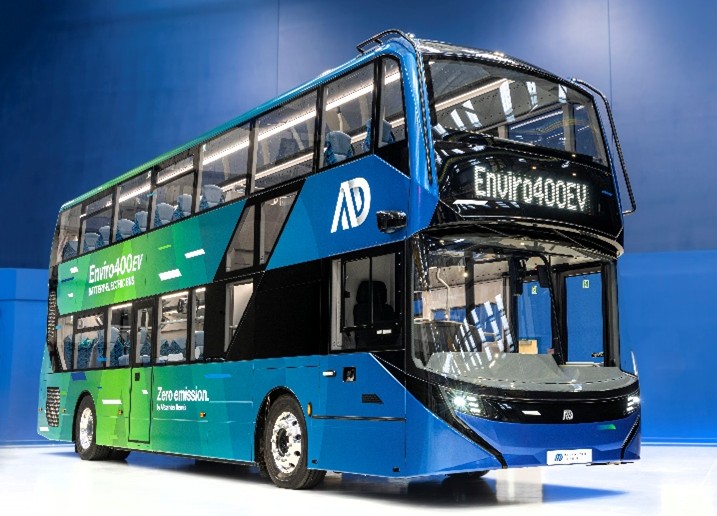
“Biomethane Public Transport …” from sempre-bio.com and used with no modifications.
The Biomethane Bus Revolution in Bristol
In the United Kingdom, Bristol has become a trailblazer in biomethane public transportation. The city started the “Bio-Bus” project as a small experiment, but it has since grown to become a critical part of Bristol’s plan to combat climate change.
One Fill, 186 Miles
There’s a common worry about alternative fuel vehicles that they won’t be able to finish their routes without needing to refuel. This is known as range anxiety. However, Bristol’s biomethane buses have proved that this worry is unfounded.
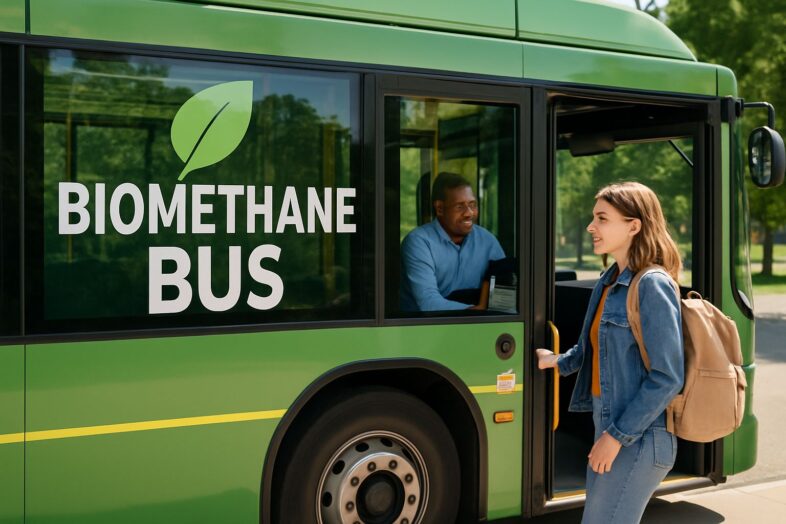
They have consistently shown that they can travel up to 186 miles (300 kilometres) on just one fill. This incredible range means that the buses can finish even the longest daily routes without any breaks, keeping to the schedule and significantly cutting down on emissions. This alos provides A biomethane bus as evidence of public transport decarbonization.
Decreasing Carbon by 30% and Nitrogen Oxides by 80%
Bristol’s biomethane initiative has a far-reaching environmental impact that goes beyond just reducing carbon. The Bio-Bus fleet has achieved a significant 30% reduction in carbon emissions compared to traditional diesel buses, and an even more impressive 80% reduction in nitrogen oxide emissions. This initiative tackles both the global issue of climate change and the local issue of urban air quality, which directly affects public health.
The numbers are not just theoretical; they represent real improvements in air quality in Bristol since the program was implemented. The significant reduction in nitrogen oxides is particularly important in urban areas where these pollutants contribute to respiratory diseases and the formation of smog. For more information on the impact of biogas on urban transport emissions, check out this article on biogas.
Enhancing Public Health in City Areas
Aside from the environmental benefits, Bristol has recorded actual public health benefits since the introduction of biomethane buses. Areas along routes with a high bus frequency have shown improved air quality, with corresponding reductions in hospital admissions related to respiratory problems. Local health officials have started to incorporate improvements in air quality related to transit into their public health planning, acknowledging the significant role that cleaner public transportation plays in community health.
Montgomery County’s Vision for Net-Zero Transit
Montgomery County in Maryland, United States, is a pioneer in biomethane public transportation. The county has developed a unique approach that directly integrates waste management with public transit operations, thanks to a strategic partnership with Mortenson Construction.
Teaming up with Mortenson Construction
The tale of Montgomery County’s biomethane success is a testament to the power of public-private partnerships in propelling sustainable transportation forward. The county was able to tap into specialised knowledge of renewable energy infrastructure development through its partnership with Mortenson Construction. This collaboration led to the construction of a cutting-edge biogas facility that turns local organic waste into top-notch biomethane fit for transportation use.
The site is more than just a fuel production facility—it’s a real-world example of how circular economy principles can be implemented at the municipal level. What used to be a disposal problem and cost is now a valuable resource that powers the county’s transit system.
Preventing 155,000 Tons of Emissions Over Their Lifetime
Montgomery County’s biomethane buses will prevent about 155,000 tons of carbon emissions over their lifetime, according to comprehensive environmental impact assessments. This is one of the most ambitious climate initiatives by any county government in the U.S. Learn more about biogas applications that contribute to reducing emissions.
This accomplishment stands out because it aligns with the broader climate action plan of Montgomery County, which aims to achieve net-zero carbon emissions by 2035. The biomethane bus program is responsible for about 7% of the county’s total planned emissions reductions, highlighting the significant role public transportation can play in climate strategy.
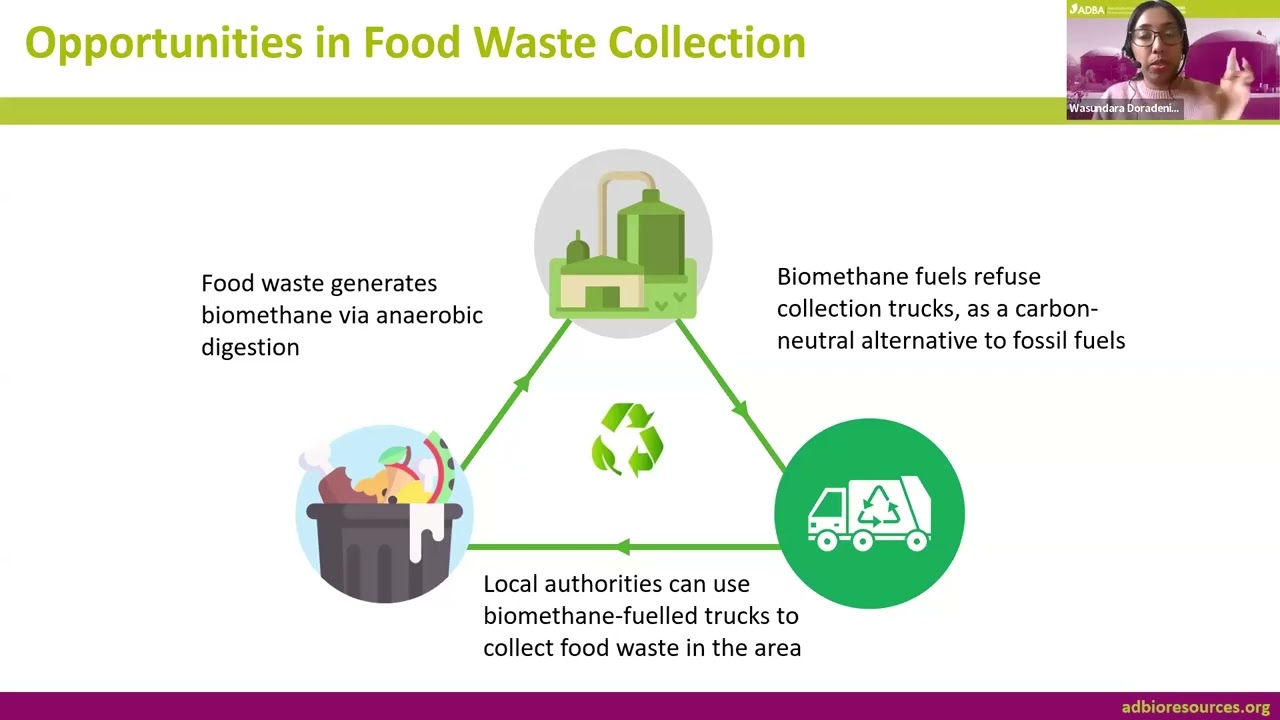
“2024 | Biomethane for Transport …” from www.youtube.com and used with no modifications.
Stockholm: Leading the Way in Biomethane Transit
Local Trash, Local Transit
Montgomery County’s unique strategy is the epitome of local action. Organic waste from local homes, businesses, and institutions is collected and processed at the biogas facility. This creates a direct connection between the community’s waste and fuel needs for transportation. This local circular economy model reduces transportation costs, shrinks the carbon footprint of waste management operations, and provides an excellent learning opportunity for residents about recycling resources.
Morocco’s Path to Energy Independence Through Biogas
Looking beyond developed economies, Morocco provides an intriguing case study of how biomethane can tackle several development issues at once. This North African country has realized that biomethane not only offers a cleaner transportation solution but also a path to greater energy independence.
Switching 300 Buses to Biomethane
With a plan to convert 300 public buses to biomethane, Morocco is home to one of the most ambitious biomethane projects in Africa. This large-scale project shows Morocco’s determination to reduce emissions and decrease reliance on imported energy.
The project is rolling out in stages, with test programs in major cities providing essential operational data before it is deployed across the country. These tests have already shown that biomethane buses can work in Morocco’s varied climate conditions, from coastal cities to drier inland areas.
The Moroccan method stands out due to its focus on fostering local knowledge in biomethane production and vehicle upkeep. Morocco is establishing a sustainable basis for long-term success that goes beyond the first 300 buses by developing local capacity instead of relying solely on imported technology.
Sweden’s Success Inspires Morocco’s Innovation
Morocco’s biomethane project is heavily influenced by Sweden’s achievements but is customised to fit the local environment. Swedish technical consultants have been crucial in the creation of the project, providing advice while promoting the growth of local expertise.
This knowledge-sharing relationship has developed into a real partnership, with Moroccan advancements in feedstock preparation now being examined by Swedish researchers for potential use in Scandinavian biomethane operations.
Morocco’s Struggle to Overcome a 91% Energy Import Dependence
Morocco is not just looking at energy transition from an environmental perspective. It’s an economic issue as well. The country is currently importing 91% of its energy, leaving it economically vulnerable to the ever-changing global energy market. Biomethane offers a solution to this problem by providing a way to use domestic resources instead of imported fuels.
Lille, France: Turning Food Waste into Fuel
In Lille, they have a perfect example of a circular economy at work in public transportation. The French city has been at the forefront of a new approach that links food waste from households directly to fuel for public buses.
Transforming Local Organic Waste into Vehicle Fuel
The biomethane strategy in Lille is notable for its community involvement. The city has put in place a thorough food waste collection initiative that is intended specifically to supply its biomethane production plant. Citizens put their food waste into designated containers, establishing a clear link between regular household tasks and the fuel that powers the buses they use. This obvious link between waste and transport has resulted in a significant rise in community participation in organic waste separation schemes.
“Lille’s success shows that when people can see their waste directly contributing to cleaner public transportation, participation in organic waste sorting increases by 64% compared to standard recycling programs.” — European Circular Economy Monitor
The production facility uses cutting-edge anaerobic digestion technology that maximises methane yield while reducing process emissions. The biomethane produced is then purified to meet vehicle fuel standards, ensuring consistent performance across the bus fleet while maintaining ultra-low emission profiles.
Over 100 Buses Powered by Local Resources
More than 100 buses in Lille are now powered by biomethane produced locally, making up about 65% of the city’s total public transportation fleet. These buses, which serve both city routes and connections to nearby communities, show that biomethane vehicles can operate under a variety of conditions.
Thanks to the success of the biomethane program in Lille, the city now produces more fuel than its public transit system needs. The excess fuel is used to power the city’s garbage trucks and other fleet vehicles. This not only reduces the city’s carbon footprint but also makes the program more cost-effective by increasing the scale of production and the utilisation rate of processing facilities.
Yearly assessments indicate that, collectively, these buses have stopped over 10,000 tons of CO2 emissions per year compared to their diesel counterparts. Additionally, the trapping and use of methane from organic waste, which would otherwise have decomposed in landfills, represents an extra climate advantage not shown in direct emission comparisons. Learn more about increasing biogas yield for further environmental benefits.
The Unique System That Captivated Europe
What sets Lille’s program apart is its all-inclusive closed-loop system. The entire system works within a radius of less than 30 kilometres, reducing transportation emissions from waste collection, processing, and fuel use. Even the digestate byproduct from the anaerobic digestion process is used as agricultural fertiliser for local farms, some of which grow food consumed in the city—creating an impressive circular resource flow.
The European Commission has lauded the biomethane transit program in Lille, acknowledging it with the Circular Economy Excellence Award. The program is held up as an example of how cities can combine waste management and transportation systems to achieve a number of sustainability goals at the same time. Delegations from all over Europe and beyond regularly come to Lille to study how it was put into practice, leading to similar programs being adapted for cities from Barcelona to Budapest.
5 Ways to Introduce Biomethane into Your Public Transport System
1. Begin with a Limited Fleet Trial Scheme
The most effective biomethane integrations start with meticulously planned trial schemes. Starting with 5-10 vehicles lets public transport authorities gain operational know-how, spot potential hurdles, and prove viability before committing to a full-scale conversion. Trial schemes should involve thorough data gathering on performance, maintenance requirements, and emissions reductions to make the argument for growth.
Choose routes that are highly visible and represent the usual operating conditions. A lot of cities strategically select routes that are high-profile and serve downtown areas or tourist spots for their pilot vehicles. This increases public awareness while collecting vital operational data. Montgomery County’s approach is a good example of this strategy. They first deployed their biomethane buses on routes that serve their most populated corridors.
2. Collaborate with Local Waste Management Facilities
Successful biomethane transportation programs aren’t standalone—they’re part of larger waste management systems. Forming collaborations with existing waste processing facilities can dramatically cut infrastructure costs while creating mutual benefits. These collaborations can take many forms, from basic fuel-buying contracts to fully integrated operations where transportation authorities take part directly in biomethane production.
| Collaboration Type | Pros | Things to Consider |
|---|---|---|
| Fuel Purchase Agreement | Minimal initial investment, simple operations | Less control over fuel cost and availability |
| Joint Venture | Shared risk of investment, combined expertise | Requires a clear governance structure |
| Transit Authority Owned Production | Full control over the fuel supply chain | High initial investment, requires new expertise |
Stockholm’s experience shows that early engagement with waste management stakeholders is crucial. The initial issues with fuel quality were resolved through collaborative problem-solving between transit operators and biomethane producers. This resulted in technical specifications that have since been adopted throughout Sweden.
3. Obtain Government Funding and Incentives
Government funding through grants, subsidies, and tax incentives can greatly enhance the economic feasibility of a project. Most successful biomethane transit programs make use of multiple funding sources, combining environmental programs, transportation infrastructure funding, and waste management grants.
Bristol’s Bio-Bus initiative was able to combine European Union environmental grants with UK transportation modernisation funds to fund its initial fleet conversion without increasing passenger fares or requiring local tax increases.
4. Upgrade Current Vehicles or Buy New Ones
Transportation authorities have two main options for using biomethane: upgrading current vehicles or buying new biomethane buses designed for that purpose. Upgrading offers substantial cost benefits and can prolong the useful life of current fleet assets. The bioCNG upgrade method has been effectively tested on buses and other heavy vehicles, providing a feasible transition path for fleets not ready for full replacement. while also providing public transport decarbonization.
While biomethane buses have higher upfront costs, they often perform better and require less maintenance than their counterparts. Many bus manufacturers now offer biomethane versions of their standard buses, and the price difference compared to diesel buses is usually minimal.
In Lille, they found that while retrofitting buses to run on biomethane was a cost-effective way to start, the long-term performance of buses that were built to run on biomethane from the start justified the higher initial investment when they expanded their program.
5. Inform Passengers and Garner Community Backing
Public awareness is crucial in reaping the full rewards of biomethane transit schemes. Passengers and community members who are aware of biomethane production and its environmental advantages become supporters of the scheme. Successful awareness strategies include distinct vehicle labelling, awareness campaigns that emphasise local environmental benefits, and interactive elements that demonstrate the waste-to-fuel cycle.
In Morocco, the focus is on educating the public about the importance of energy independence and the environmental benefits of biomethane. By linking the use of biomethane buses to national pride and resource sovereignty, they have managed to generate strong public support, even among those who may not be overly concerned about environmental issues.
“When people realize that the food waste they sort today can fuel the bus they ride tomorrow, they become part of the solution instead of just users of transit services.” — Bristol Transit Authority Community Engagement Report
Engaging the community should start at the planning stage and should not stop even after the project is implemented. Stockholm’s biomethane program includes field trips to their production facilities and easy-to-understand graphics on buses that illustrate the circular process from food waste to transportation fuel, creating a powerful educational tool that reaches thousands of residents daily.
How Biomethane Could Transform Public Transportation – public transport decarbonization.
It’s clear that biomethane is set to play a big part in the future of public transportation. With the rapid development of technology, biomethane is becoming more and more competitive with both fossil fuels and other renewable energy sources.
This is thanks to improvements in gas purification, vehicle efficiency, and production processes. In fact, the European Biogas Association predicts that biomethane could be used to fuel as much as 20% of all public transit vehicles in Europe by 2030.
And the public transport decarbonization situation is much the same in North America and developed Asian markets. For more insights on biogas technology, explore a day in the life of an engineer at a biogas facility.
Common Question About Public Transport Decarbonization!
As the use of biomethane in public transportation continues to grow, transit authorities, lawmakers, and the public often have important questions about how it works, what it costs, and what the benefits are. The following answers are based on real-world experience from operational biomethane transit programs and address the most frequently asked questions.
The following points shed light on the technical side of using biomethane, as well as the practical factors that contribute to the successful execution of a program. Each point highlights a key aspect of adopting biomethane that those considering their own programs should understand before getting started. It’s public transport decarbonization!
For city governments thinking about using biomethane, these answers are a good place to start looking into whether it would be possible and practical, given the local situation and needs. While the basic ideas are widely applicable, the specifics should always be looked at in light of what resources, infrastructure, and operational needs are available locally.
- Feedstock availability and consistency
- Existing waste management infrastructure
- Current fleet composition and replacement cycles
- Regulatory environment and available incentives
- Community support and environmental priorities
What exactly is biomethane and how does it differ from natural gas?
Biomethane is a renewable natural gas produced through the anaerobic digestion of organic materials like food waste, agricultural residues, and sewage. Chemically, purified biomethane is nearly identical to fossil natural gas, consisting primarily of methane (CH₄). The critical difference lies in its source and carbon impact: while fossil natural gas releases carbon that has been sequestered underground for millions of years, biomethane recirculates carbon that was recently absorbed from the atmosphere by plants.
Because of this basic difference in carbon cycling, biomethane is seen as carbon-neutral or even carbon-negative when it traps methane that would have otherwise been emitted from decomposing organic waste. Biomethane has the same performance characteristics as compressed natural gas (CNG) when used in vehicles, but its carbon footprint can be 80-90% lower across its entire lifecycle. To understand more about the process, you can explore the biogas plant project plan, which details its design and cost analysis.
What is the cost of converting a diesel bus to biomethane?
Converting a diesel bus to use biomethane usually costs between $30,000 and $50,000 per bus. The cost can vary depending on the model of the bus, its age, and the specific requirements of the conversion. This price includes modifying the engine, installing fuel storage tanks, and adding control systems. Although this may seem like a lot, it is much less than the cost of a new biomethane bus, which can cost anywhere from $450,000 to $600,000 depending on the size and specifications of the bus.
Bristol discovered that retrofitting their current fleet offered a payback period of around 4-5 years through fuel cost savings, making it financially feasible even without considering environmental benefits. For many transit authorities, the best strategy involves retrofitting newer diesel buses in their fleet while replacing older vehicles with purpose-built biomethane models as part of regular fleet renewal cycles.
Can biomethane buses function in extreme weather?
Biomethane buses have proven to work reliably in various climates, from the freezing winters of Stockholm to the scorching desert heat of Morocco. Unlike some alternative fuels and battery electric vehicles, biomethane’s energy density and performance do not change in extreme temperatures. Its performance in cold weather is especially notable, as it does not experience the range reduction that battery electric vehicles do in winter conditions.
The public transportation system in Stockholm has found that their biomethane-powered buses can operate at full capacity even in temperatures below -20°C (-4°F). In contrast, their electric buses can lose up to 30% of their range in the same conditions. Because of its dependable performance, biomethane is an ideal choice for regions with unpredictable or harsh climates where operational dependability is crucial.
Which type of organic waste is the most efficient for biomethane production?
| Type of Feedstock | Methane Yield (m³/ton) | Considerations for Processing |
|---|---|---|
| Food Waste | 120-160 | High in energy content, sorting required |
| Manure from Agriculture | 20-30 | Lower yield but supply is consistent |
| Sludge from Wastewater | 15-25 | Readily available in areas that are urban |
| Waste from Food Processing | 150-200 | Highest yield, often already sorted |
Typically, the highest yields of biomethane come from food waste and residues from food processing, with a production potential of 120-200 cubic meters of methane per ton of feedstock. However, the feedstock that is most viable economically often depends more on the costs of collection, local availability, and consistency than on the yield that is theoretical. Many programs for biomethane that are successful utilize feedstocks that are mixed, which combine materials with high yields with sources that are more abundant but have lower yields, to optimise both the volume of production and stability.
The program in Lille started out focusing solely on food waste, but has since grown to incorporate agricultural residues from the surrounding rural areas. This mixed feedstock approach has enhanced both the stability of production and the engagement of the community by linking the sustainability efforts of urban and rural areas through a shared resource cycle.
Co-digestion, which is the process of combining different types of feedstock in the same digester, often results in higher yields than processing single feedstocks alone. This is due to the improved nutrient balance and bacterial activity. Montgomery County’s facility uses a carefully calibrated mix of municipal food waste, commercial food processing residues, and selected agricultural wastes to maximize both methane production and digestion stability.
If you’re a transit authority considering biomethane production, you should start with a comprehensive local feedstock assessment. This analysis should look at not just theoretical yields, but also practical factors like how easy it is to collect the feedstock, whether it’s available year-round, how contaminated it is, and whether it has other uses. Many successful programs start with feedstocks that are readily available and consistent, and then gradually start using materials that yield more biomethane as their collection systems get more sophisticated.
How do biomethane buses perform compared to electric buses?
Both biomethane and electric buses provide unique benefits depending on their operational situations. Biomethane buses usually have a longer range (300-400 miles vs. 150-250 miles for electric), quicker refueling times (minutes vs. hours for charging), and more reliable performance in extreme temperatures. Electric buses offer better torque, no tailpipe emissions, and quieter operation, which is especially beneficial in densely populated areas.
When it comes to infrastructure, biomethane usually requires a smaller initial investment, especially when current natural gas fueling infrastructure can be used. Electric buses often require a substantial charging infrastructure that may include upgrades to the grid. However, in areas where electricity prices are low and natural gas costs are high, operating costs for electric buses can be lower. For those interested in exploring the financial aspects, this biogas plant project cost analysis provides further insights.
Several transit authorities are discovering that a mixed fleet approach enhances overall system performance. Stockholm operates both biomethane and electric buses, using each technology where it is most beneficial: electric buses are used on shorter urban routes with frequent stops, and biomethane buses are used on longer suburban routes where range and quick turnaround times are key.
When we consider the entire environmental lifecycle, both options are significantly better than diesel, reducing total emissions by 60-90% depending on how they’re implemented. The best choice depends on a variety of local conditions, such as the mix of electricity generation, the availability of biomethane feedstock, the characteristics of the route, and the existing infrastructure. EcoPowerTransit can assist cities in evaluating these factors to determine the most effective clean transportation strategy for their specific needs.