



Food Waste

Anaerobic Digestion Process Steps: The 4 Stages Explained
Anaerobic digestion takes place through four closely connected biological process steps: hydrolysis, acidogenesis, acetogenesis and methanogenesis. Together, these microbial stages convert complex organic material into biogas—principally methane and carbon dioxide—and digestate. New to the subject? Start with our complete introduction to anaerobic digestion. This article concentrates specifically on the biochemical process steps, the compounds produced at each stage […]
Food Waste To Animal Feed Vs Food Waste To Anaerobic Digestion: Which Is Best?
Using food waste, that’s still edible, to make animal feed is generally preferred for nutrient recovery and lower environmental impact, keeping materials in the food chain longer. Conversely, anaerobic digestion (AD) is superior for managing heavily contaminated or non-edible waste, converting it into renewable energy (biogas) and fertiliser. Both methods are far superior to landfills. […]
Scaling Food-Waste-to-Energy: Why Biochar Is The Key To Higher Gas Yields
Many waste management professionals face a major challenge. Food waste piles up fast, fills landfill sites, and turns into harmful greenhouse gases like methane and carbon dioxide. Traditional ways of turning food rubbish into energy struggle with low gas yields, unstable systems, and rising costs. Biochar offers a real breakthrough for the “Food Waste to […]
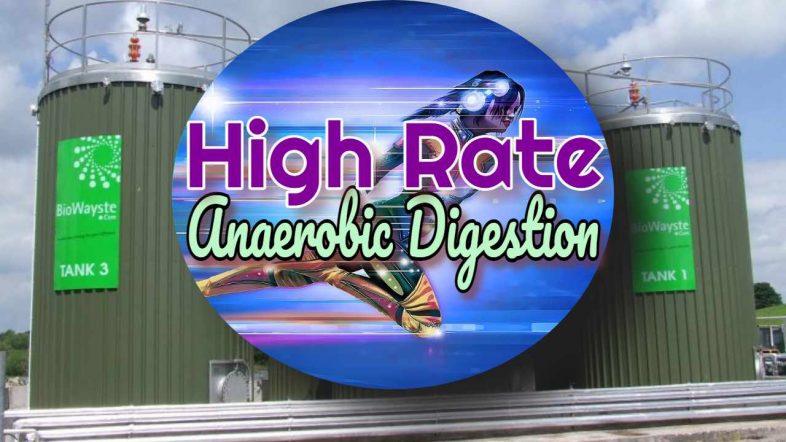
High Rate Anaerobic Digestion Plant Treats Wastewater Effluent Streams
Key Takeaways High-rate anaerobic digestion systems can process organic waste up to 10 times faster than conventional digesters while producing valuable biogas for renewable energy. The most efficient high-rate systems include UASB reactors, EGSB reactors, fixed-film reactors, anaerobic membrane bioreactors, and two-phase systems. Temperature control between 35-55°C and proper pH management (6.8-7.2) are critical factors […]
Anaerobic Digestion for Food Waste – Solutions & Benefits
Anaerobic digestion offers a sustainable solution to food waste by converting it into renewable biogas and nutrient-rich fertilizer. This process significantly reduces greenhouse gas emissions and provides cost savings for businesses. Discover how AD can transform waste management and support a circular economy model…
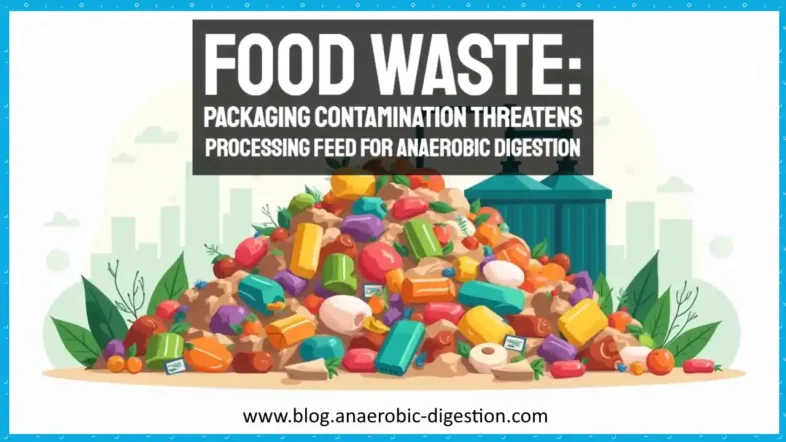
Food Waste: Packaging Contamination Threatens Processing Feed for Anaerobic Digestion
Packaging contamination in the food waste recycling industry occurs when inadequate separation of the packaging from food waste occurs, and when physical contaminants such as microplastics and nanolastics are introduced into anaerobic digesters from the packaging itself. You toss out expired yoghurt, a mouldy sandwich, and soggy lettuce. Each one sits in a wrapper or […]
Why is Biogas Considered an Excellent Fuel?
Biogas is a clean, renewable energy source offering significant environmental and economic benefits. With high methane content, it is efficient and reliable, addressing waste management while reducing carbon footprints. Discover how biogas is transforming energy production and providing sustainable solutions for the future…
Unlock Anaerobic Digestion Food Waste Benefits Today
Did you know that for every tonne of food waste diverted from landfill using anaerobic digestion, up to 1.9 tonnes of carbon dioxide emissions are avoided? As the UK rushes to meet the 2026 “Simpler Recycling” deadline, England’s councils face not only an urgent climate responsibility but also a hidden environmental threat: microplastics. This article […]
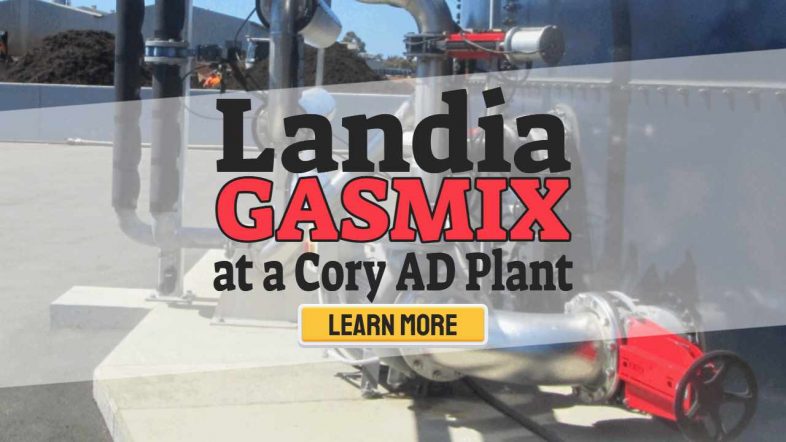
Landia’s GasMix System Installed at Cory’s First Anaerobic Digestion Plant
Landia’s acclaimed GasMix System is at the heart of the biogas making process using anaerobic-digestion, at Cory Environmental* (now Enovert). Cory, with over 40 sites, is one of the UK’s leading recycling, waste management and energy recovery companies. In March 2014, Cory unveiled its first anaerobic digestion facility. It produces renewable energy to power local […]
Landia GasMix Biogas Reactor Mixing System – Awards Update
Here is another update to the Press Release we first published about the Landia GasMix Biogas Reactor Mixing System award back in 2016. We are pleased to inform you that Landia received two “Highly Commended” Honours on its first submission at the prestigious UK AD & Biogas Industry Awards of that year. Landia the creators […]

Hidden Dangers of Plastics in Food Waste Recycling: Growing Concerns Over Old Shredding Equipment
Microplastics in Food Waste Recycling and Plastic Shred: Worries About Antiquated Shredding Machines Raise New Light on Plastic Hazards in Food Scrap Recycling Recent research has highlighted growing concerns regarding the efficiency and safety of older food waste recycling equipment, specifically shredding and depackaging machines still widely used in recycling plants. Rather than effectively removing […]
25 Years of UK Biogas History 2025 – The Rise of the AD Industry Over a Quarter of a Century
“UK Biogas History” or the UK anaerobic digestion and biogas production industry to give it a fuller title has been developed from almost nothing over the years since 2000. In this article, we cover the last quarter of a century of the UK Industry’s history and recent developments at the beginning of 2025. Key Points […]
