Many people worry about climate change today and how to reduce methane emissions. One big problem is methane, a gas that warms our planet. Methane comes from farms, rubbish dumps, and places where we get oil and gas.
It's important to cut down on this gas because it can make the earth much hotter. That's also just as important for biogas plant operators as anyone else.
A surprising fact: methane heats the planet over 25 times more than carbon dioxide over 100 years. This blog will show you ways to reduce methane emissions in farming, waste management, and energy production.
You'll learn simple steps to help our planet.
Let's start now!
Key Takeaways
- Methane heats the Earth much more than CO2, making it important to cut emissions.
- Changes in farming like better animal diets and manure management, can lower methane.
- The oil and gas industry can use leak detection and fix problems to reduce emissions.
- Waste management methods, like recycling and using anaerobic digesters, also help.
- Governments set rules to limit methane, and companies are taking steps to lessen their impact.
An Overview of Methane Emissions
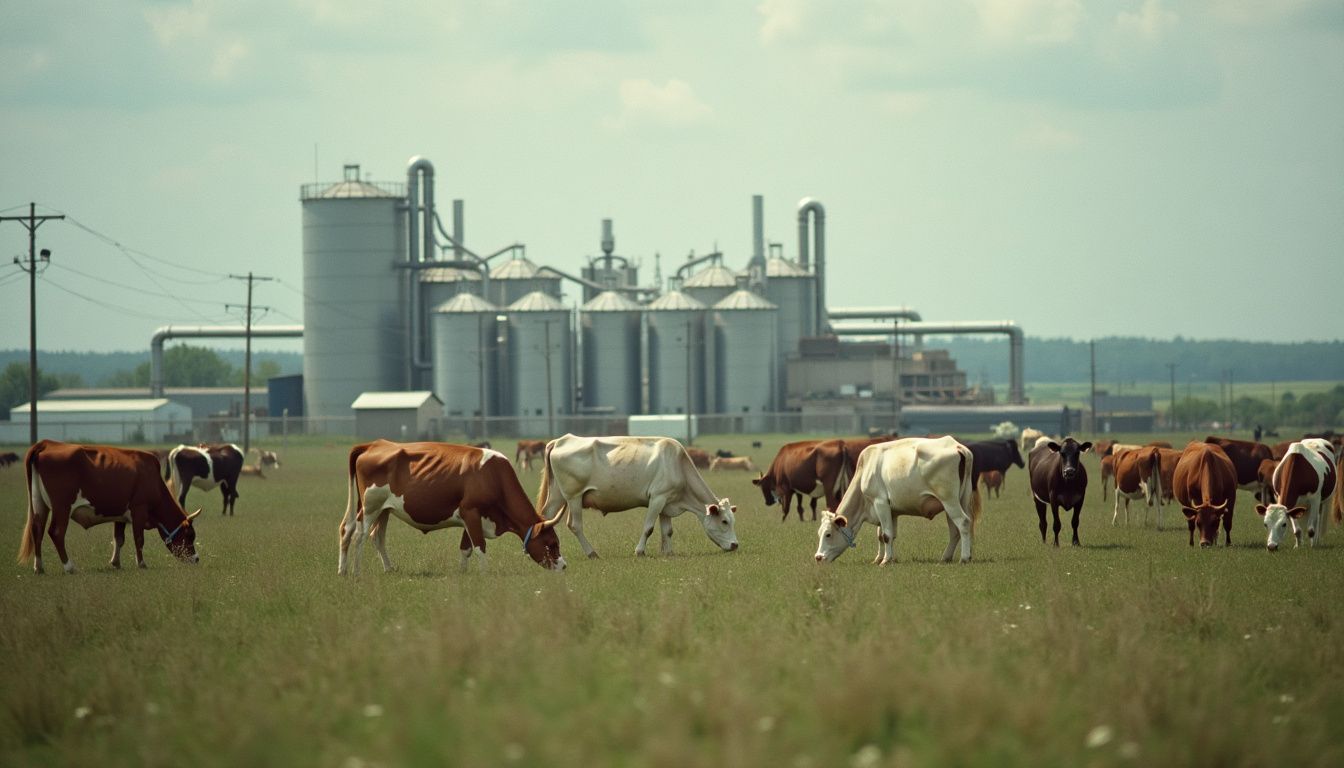
Methane is a powerful gas that warms the planet. This gas comes from places like farms, landfills, and oil wells.
Sources of Methane Emissions
Methane is a powerful greenhouse gas that affects our climate. Humans cause lots of methane to enter the atmosphere.
- Agriculture is the biggest source. Cows and sheep produce methane when they digest their food, a process called enteric fermentation.
- Rice paddies also add methane to the air. When fields are flooded, it creates an environment without oxygen where microbes release methane.
- Landfills are big contributors too. When organic waste breaks down without oxygen, it makes methane.
- The oil and gas industry leaks methane during drilling, processing, and transporting fossil fuels.
- Coal mines release methane trapped in coal seams during mining activities.
- Wastewater treatment plants give off methane as organic matter breaks down in water without much oxygen.
- Biomass burning, like forest fires or burning agricultural waste, sends methane into the atmosphere as well.
These sources show how human activities play a big role in adding methane to the air we breathe and warming our planet.
Impact on Climate Change
Methane is a powerful greenhouse gas, with a global warming potential many times that of carbon dioxide over a shorter period. This makes its effect on climate change significant. It traps heat in the atmosphere, causing the Earth's temperature to rise.
This leads to more extreme weather, melting ice caps, and rising sea levels.
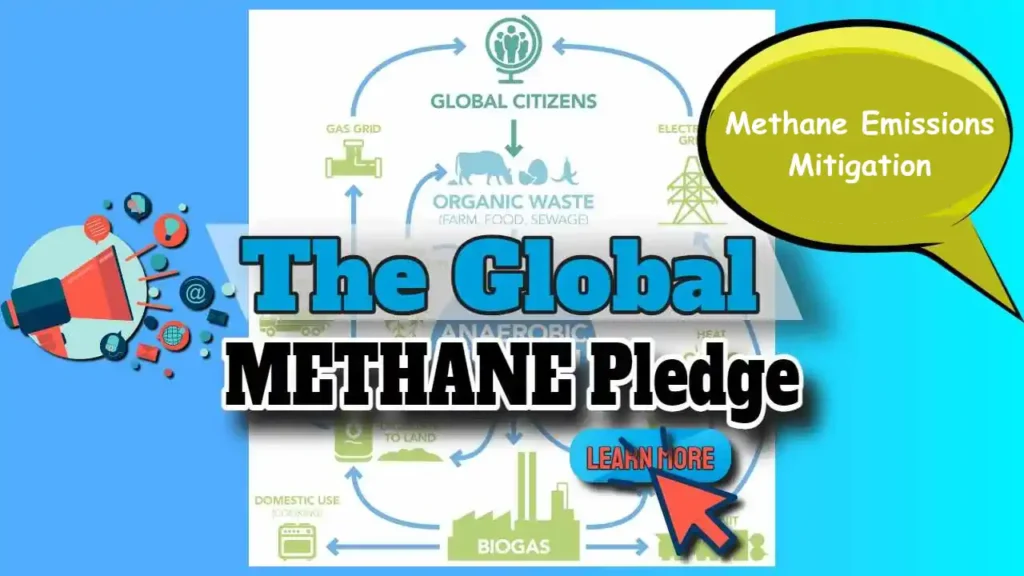
Countries around the world are working hard to reduce methane emissions. They follow agreements like the Paris Agreement and take action through initiatives like the Global Methane Pledge.
These efforts aim to cut down methane in the atmosphere and slow global warming.
The next step involves looking deeply into strategies for reducing methane in agriculture.
Strategies for Reducing Methane in Agriculture
In farming, cutting down on methane output is key. Better feeding for animals and smarter handling of animal waste can make a big difference.

Improving Livestock Digestion
Farmers can change what they feed cows to cut down on methane gas. Feeding cattle plants like seaweed helps them digest better. This reduces the greenhouse gases they release. Adding certain oils or fats to their food also works well.
These changes make a big impact on air quality and slow global warming.
Scientists are working on special diets that reduce methane from cattle. They test different foods to see which ones lower harmful emissions. This research is key for tackling climate change.
Using these diets means we can keep farming livestock without harming the planet as much.
Managing Manure Effectively
Efficient management of manure significantly contributes to reducing methane emissions, particularly in agriculture where animal waste significantly contributes to global methane production.
Anaerobic digestion, a commonly used approach, processes manure without oxygen, yielding biogas and digestate. As a potential energy source, biogas lowers dependence on fossil fuels.
Another alternative to manure management, composting, decreases methane by facilitating the decomposition of manure in an oxygenated environment. This method transforms waste into beneficial compost that improves soil quality.
Both strategies aid farmers in converting a challenge into beneficial outcomes such as clean energy and natural fertiliser.
The conversion of waste into valuable resources not only combats climate change but also enhances agricultural productivity.
Reducing Methane Emissions in the Oil and Gas Industry
The oil and gas industry can cut methane emissions by fixing leaks. Leak detection and repair (LDAR) systems spot problems quickly, which helps keep harmful gases out of the air.

Leak Detection and Repair in Infrastructure
Leak detection and repair in infrastructure play a key role in reducing methane emissions. Regular checks can find leaks quickly, ensuring prompt repairs. Tools like infrared cameras help spot these leaks.
Fixing even small leaks can significantly cut greenhouse gas (GHG) emissions from natural gas systems.
Infrastructure improvements are vital for the oil and gas industry. Using advanced technologies makes it easier to detect fugitive methane and address issues swiftly. Repair practices also lower routine flaring, further cutting emissions.
A well-maintained system not only protects the environment but also boosts efficiency in energy production.
Advanced Technologies for Flaring and Venting
Flaring and venting release methane into the air. Advanced technologies help reduce these emissions. For instance, new sensors can detect leaks in oil and gas systems. They work quickly to pinpoint problems.
Repairing these leaks cuts down on fugitive emissions.
Another technology uses thermal oxidisers to burn off excess gas safely. This process converts methane into carbon dioxide, which is less harmful in the atmosphere. Companies applying such methods can lower their greenhouse gas emissions significantly.
These strategies are vital for achieving net-zero targets by 2050 and improving climate action efforts globally. The next step involves looking at waste management practices that also play a significant role in reducing methane emissions.
Methane Reduction in Waste Management
Waste management plays a key role in cutting methane emissions. By improving landfill operations and promoting recycling, we can greatly reduce the amount of waste that rots and releases harmful gases into the air.

Optimisation of Landfill Operations
Optimising landfill operations plays a big role in reducing methane emissions. Landfills produce methane as waste breaks down. This gas is harmful and contributes to climate change.
To manage this, operators can use different methods to minimise emissions.
One effective method is capturing the gas released from decomposing waste. This captured gas can be used for energy or flared off safely. Using anaerobic digesters helps break down organic waste more efficiently too.
These systems lower methane levels while generating renewable natural gas.
Another strategy involves improving how landfills are managed overall. Regular monitoring of sites ensures leaks are found and fixed quickly. Training staff on best practices also helps reduce pollution levels from landfill sites directly, making a positive impact on air quality and public health while supporting net-zero goals by 2050.
Promotion of Recycling and Waste Reduction
Recycling and waste reduction are crucial for lowering methane emissions. When we recycle materials, we keep them out of landfills. This helps reduce methane release from decomposing waste.
Simple actions like sorting plastics and composting food scraps can make a big difference.
Promoting these practices requires community involvement. Education programs help people understand the benefits of recycling and waste reduction. Governments can support this with policies that encourage recycling initiatives.
By working together, we can cut greenhouse gas emissions and protect our environment for future generations.
Policy and Regulation
Policies and regulations play a key role in reducing methane emissions. Governments can set rules that limit these gases from human activities. This includes enforcing standards in agriculture, energy, and waste management sectors to cut down on harmful air pollutants.
Incentives can motivate businesses and farms to adopt cleaner practices, helping us move closer to net zero emissions by 2050.
National and International Regulations
National and international regulations play a crucial role in reducing methane emissions. They provide guidelines and frameworks that nations can follow to address this pressing issue.
- Global Agreements
Many countries have signed agreements aimed at limiting greenhouse gas emissions, including methane. The Paris Agreement seeks to keep global warming below 2 degrees Celsius. Nations commit to lower their emissions through nationally determined contributions (NDCs). - Monitoring and Reporting Standards
Each country must track its methane emissions. The Intergovernmental Panel on Climate Change (IPCC) sets standards for greenhouse gas inventories. This ensures consistent data collection across countries, allowing for better analysis of trends. - Emission Limits and Targets
Certain regions have implemented strict limits on methane emissions from specific sectors like agriculture and oil extraction. The European Green Deal includes binding targets to reduce these emissions significantly by 2030. - Incentives for Reduction
Governments offer financial incentives to encourage businesses and farmers to cut down on methane emissions. These include tax breaks or grants for implementing cleaner technologies. - Collaboration Platforms
International bodies such as the Climate and Clean Air Coalition bring together nations to share best practices in reducing methane emissions. This promotes cooperation in tackling shared environmental challenges. - Sector-Specific Regulations
Regulations may vary across sectors, with special focus given to oil and gas industries due to their high methane outputs. Leak detection programmes ensure that infrastructure is maintained, preventing unnecessary emissions from occurring. - Compliance Measures
Countries often establish enforcement mechanisms to ensure compliance with regulations. Penalties can be imposed on those who fail to meet set emission reduction targets. - Public Awareness Campaigns
Raising awareness about the impact of human activities on climate change forms part of regulatory efforts too. Campaigns educate citizens about how they can contribute to lowering their carbon dioxide emissions and supporting low-carbon initiatives.
Focusing on these regulations is vital for effective climate governance and achieving net zero goals by 2050 scenarios globally, while addressing the serious environmental impact caused by atmospheric methane.
Incentives for Methane Reduction
Incentives play a key role in boosting efforts to reduce methane emissions. They encourage actions that lead to cleaner air and a healthier planet.
- Financial Support
Governments can offer grants or tax breaks to businesses that cut methane emissions. This money helps companies invest in new technologies, like anaerobic digesters or advanced leak detection systems. - Subsidies for Clean Technologies
Subsidising clean tech makes it cheaper for farmers and companies to adopt greener practices. For example, using bioenergy from waste can lower overall methane release while generating energy. - Carbon Markets
Creating carbon markets allows businesses to buy and sell credits for reducing greenhouse gas (GHG) emissions. Companies that cut emissions below set targets can sell excess credits, providing a financial reward for their efforts. - Training Programmes
Offering training programmes helps workers learn about effective methane reduction strategies. Knowledge about managing manure or optimising landfill operations leads to better practices in waste management. - Recognition Schemes
Implementing recognition schemes highlights the achievements of those who successfully cut methane emissions. Public acknowledgment motivates other organisations to follow suit. - Research and Development Funding
Investing in research supports the development of innovative solutions to reduce emissions from agriculture and industry. New methods can enhance livestock digestion or improve waste management practices. - Collaboration with Private Sector
Partnering with businesses encourages shared resources and knowledge on best practices for methane reduction. Joint initiatives often yield quicker results in cutting overall emissions. - International Agreements
Joining international agreements promotes global cooperation on GHG reductions. Countries can share strategies and technologies, working together towards net zero emissions by 2050 scenarios. - Community Engagement Initiatives
Encouraging local communities to participate in emission reduction campaigns raises awareness about the effects of climate change. Engaged citizens are more likely to support sustainable practices and policies. - Regulatory Frameworks
Strong regulatory frameworks set clear expectations for emission reductions across sectors like agriculture and oil production, guiding behaviours to comply with national standards on methane levels.
Private Sector Initiatives
Private companies are stepping up to cut methane emissions. Many firms set goals to reduce their impact on climate change. They use fresh technologies to monitor gas leaks and optimise energy use.
Some even invest in new ways, like anaerobic digesters, to manage waste better. This focus helps not just the environment but also boosts their own efficiency and reputation.
Corporate Commitments to Methane Reduction
Many companies are making serious commitments to cut methane emissions. These corporate pledges play a big role in tackling global warming. They focus on key areas like monitoring and reducing gas production from their operations.
For instance, firms are investing in advanced technologies for leak detection and repair of infrastructure. Such actions help to lower greenhouse gas (GHG) emissions significantly.
Corporate initiatives also include using anaerobic digestors to manage waste better. This helps turn waste into energy instead of polluting the air with methane venting or flaring gas.
As major economies forum pushes for change, these efforts show how businesses can contribute to climate change mitigation by sequestering methane through responsible practices in agriculture and waste management.
Up next: Innovations in Methane Tracking and Management.
Innovations in Methane Tracking and Management
Innovations in methane tracking and management are crucial for reducing emissions. New technologies make it easier to spot leaks in gas infrastructure. These tools use sensors and drones to find and fix problems quickly.
This helps prevent methane from escaping into the atmosphere.
Monitoring systems have improved as well. They provide data on emissions from livestock, landfills, and oil fields. Advanced software analyses this information to create better strategies for reduction.
Farmers can now manage manure more effectively with these insights.
Data transparency is also rising thanks to technology. Companies share their methane outputs openly, making them accountable for reductions. The shift toward open data encourages industries to take action against greenhouse gas emissions like methane, ultimately aiding in global climate change efforts.
Conclusion
Reducing methane emissions is essential for our planet. Simple changes in farming can make a significant difference. Improved manure management and healthy digestion for livestock help reduce waste.
The oil and gas industry needs to repair leaks and utilise new technology to flare less gas. Everyone can contribute—governments, businesses, and individuals must all collaborate to address this problem effectively.
Every effort contributes to a cleaner future!
FAQs
1. What are methane emissions and why do they matter?
Methane emissions, a type of GHG or greenhouse gas emission, primarily result from human activity such as the energy sector and fossil fuel use. They pose a significant threat to our environment due to their high global warming potential (GWP) and contribution to global temperature increase.
2. How does human-caused methane emission affect the atmospheric lifetime?
Human activity contributes significantly to the global methane budget, increasing its atmospheric lifetime. This results in prolonged periods of enhanced greenhouse effects, leading to an accelerated rate of global temperature rise.
3. Can we reduce these emissions effectively?
Yes! By implementing strategies like methane abatement, decarbonising our energy sources, reducing gas flaring in industrial processes and offsetting with sinks where carbon can be sequestered – we can achieve substantial reductions in emissions.
4. Are there guiding principles for managing methane emissions?
Indeed! The Methane Guiding Principles provide a framework for industries to manage their methane emissions effectively through various reduction methods, including flare gas management – turning waste into usable energy instead of releasing it into the atmosphere.
5. Does agriculture contribute to these harmful gases as well?
Absolutely – but solutions exist here too! For instance, poultry litter and biosolids from anaerobic lagoons can be composted instead of being left untreated, which leads to significant GHG release…and using belt press technology helps control this process more efficiently.
6. So what's next in our fight against rising temperatures caused by these gases?
The IEA (International Energy Agency) continues working towards further understanding how best we can tackle this issue…with continued research on effective practices for emission reductions; every step brings us closer towards achieving a sustainable future free from detrimental impacts associated with excessive GHGs.