


Food Waste Anaerobic Digestion
Food Waste To Animal Feed Vs Food Waste To Anaerobic Digestion: Which Is Best?
Using food waste, that’s still edible, to make animal feed is generally preferred for nutrient recovery and lower environmental impact, keeping materials in the food chain longer. Conversely, anaerobic digestion (AD) is superior for managing heavily contaminated or non-edible waste, converting it into renewable energy (biogas) and fertiliser. Both methods are far superior to landfills. […]
Scaling Food-Waste-to-Energy: Why Biochar Is The Key To Higher Gas Yields
Many waste management professionals face a major challenge. Food waste piles up fast, fills landfill sites, and turns into harmful greenhouse gases like methane and carbon dioxide. Traditional ways of turning food rubbish into energy struggle with low gas yields, unstable systems, and rising costs. Biochar offers a real breakthrough for the “Food Waste to […]
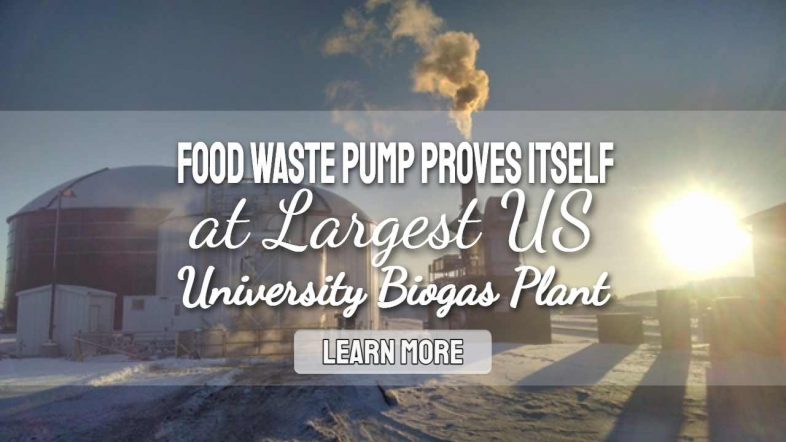
Food Waste Pump Proves Itself at Largest US University Biogas Plant
A food waste pump for use in the anaerobic digestion process is any device that is designed to convey solid food scraps and wastewater as a slurry without clogging up, allowing it to be pumped through pipes to feed biogas digester tanks. Key Takeaways Michigan State University’s biogas plant has successfully operated with a Landia […]
England’s Food Waste Revolution: Why Composting-Only Tenders Miss a Golden Opportunity
England’s “Food Waste Revolution” is a government-driven initiative focused on mandatory, consistent food waste collection for households and businesses by April 2026, aiming to divert food from landfills into recycling for energy and compost. It has been designed to reduce waste across the food system, ultimately cutting environmental impact and improving resource efficiency. But, as […]
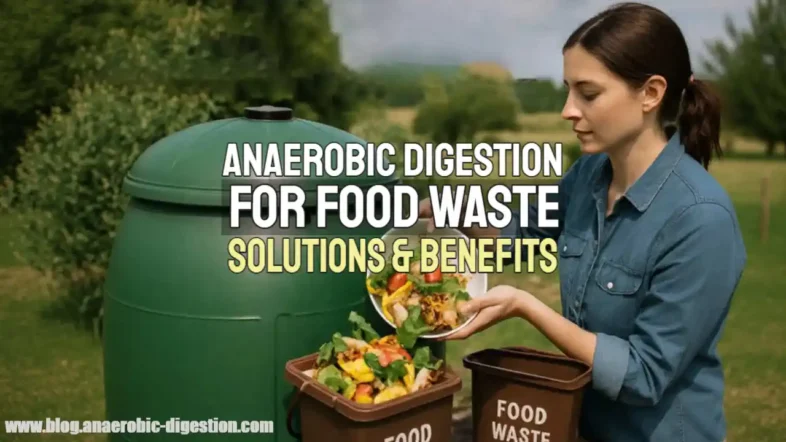
Anaerobic Digestion for Food Waste – Solutions & Benefits
Anaerobic digestion offers a sustainable solution to food waste by converting it into renewable biogas and nutrient-rich fertilizer. This process significantly reduces greenhouse gas emissions and provides cost savings for businesses. Discover how AD can transform waste management and support a circular economy model…
Food Waste: Packaging Contamination Threatens Processing Feed for Anaerobic Digestion
Packaging contamination in the food waste recycling industry occurs when inadequate separation of the packaging from food waste occurs, and when physical contaminants such as microplastics and nanolastics are introduced into anaerobic digesters from the packaging itself. You toss out expired yoghurt, a mouldy sandwich, and soggy lettuce. Each one sits in a wrapper or […]
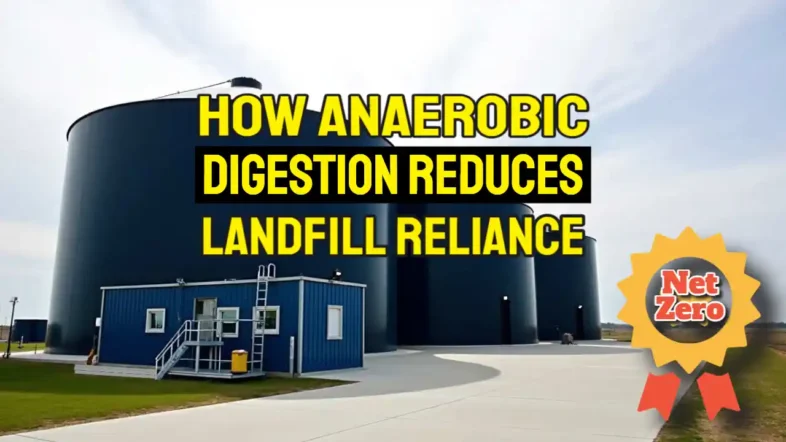
How Anaerobic Digestion Reduces Landfill Reliance — and Why It’s Better Than Incineration for a Circular Future
Anaerobic digestion (AD) is remarkable for its ability to reduce landfill reliance by diverting organic waste from landfills, where it would otherwise release methane, and transforming it into valuable products like renewable biogas and fertiliser. Read on and find out how it gets even better, because this process significantly decreases the volume of waste sent […]
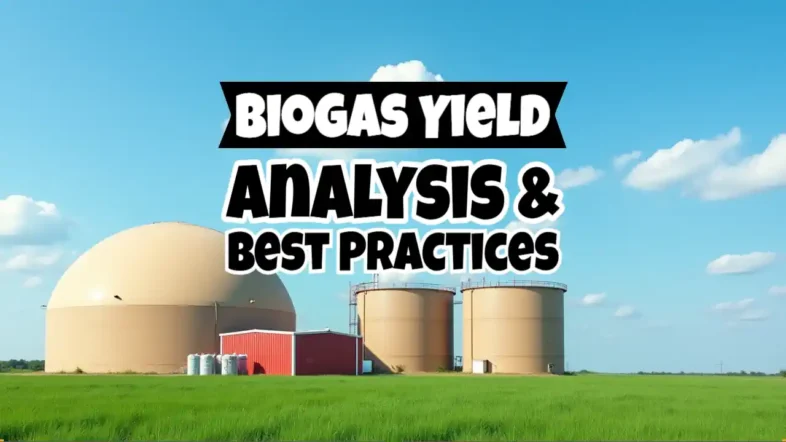
Biogas Yield Analysis & Best Practices: Maximizing Output from Food Waste
Food waste can generate up to 0.65 m³ of biogas per kg of dry matter. Optimising conditions like temperature, pH, and co-digestion with other substrates can significantly boost biogas yields, transforming organic waste into a sustainable energy source while reducing environmental impact…
Unlock Anaerobic Digestion Food Waste Benefits Today
Did you know that for every tonne of food waste diverted from landfill using anaerobic digestion, up to 1.9 tonnes of carbon dioxide emissions are avoided? As the UK rushes to meet the 2026 “Simpler Recycling” deadline, England’s councils face not only an urgent climate responsibility but also a hidden environmental threat: microplastics. This article […]

Efficient London Food Waste Recycling Solutions For Sustainability
Food waste in London is piling up faster than many realise. Households, restaurants, and shops toss out leftovers daily, creating a mountain of rubbish that clogs landfills and fuels climate change. The issue isn’t just scraps on plates; it’s also the plastic bags wrapped around them and the energy lost producing uneaten food. Did you […]

Hidden Dangers of Plastics in Food Waste Recycling: Growing Concerns Over Old Shredding Equipment
Microplastics in Food Waste Recycling and Plastic Shred: Worries About Antiquated Shredding Machines Raise New Light on Plastic Hazards in Food Scrap Recycling Recent research has highlighted growing concerns regarding the efficiency and safety of older food waste recycling equipment, specifically shredding and depackaging machines still widely used in recycling plants. Rather than effectively removing […]
Anaerobic Digestion vs Gasification Comparison: Benefits & Differences
Anaerobic digestion and gasification are innovative waste-to-energy technologies. Anaerobic digestion produces biogas through microbial processes, optimal for organic waste. Gasification heats materials to create syngas for varied uses. Both reduce emissions and support renewable energy, with distinct methods and applications guiding their benefits…
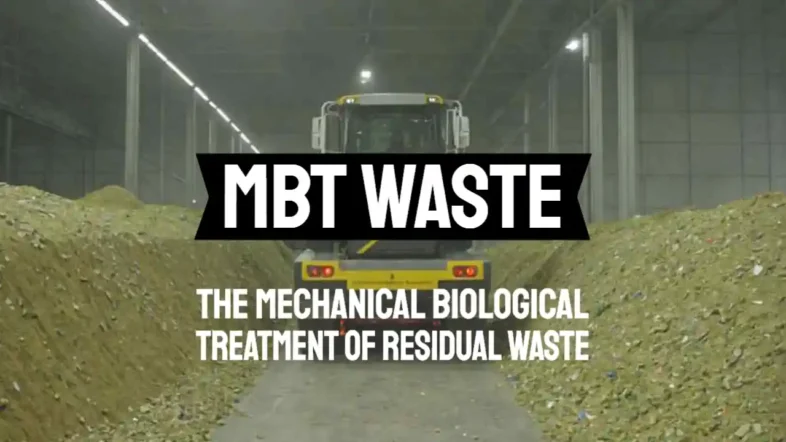
MBT Waste – The Mechanical Biological Treatment of Residual Waste
Discover the MBT Waste Process for Residual Municipal Waste Treatment Dealing with waste is a common problem for many communities and agree that the old way of chucking it into a big hole (landfill) isn’t a solution. So, you might be wondering how to reduce the amount of rubbish that ends up in landfills. This […]

Zoo Biogas – Why Every Zoo Should Have an AD Plant?
To produce zoo biogas for sustainable waste management and energy revenue makes a great deal of sense in a world seeking ways to fight climate change. The fact is that, zoos produce a lot of organic waste which is ideal for renewable energy production in a “biodigester” or anaerobic digestion facility. Just visit any of […]
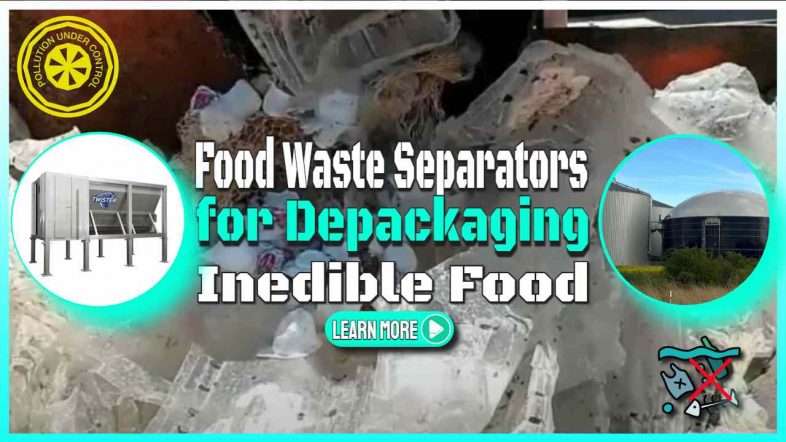
Food Waste Separators for Depackaging All Kinds of Inedible Food
Food waste separators for depackaging and contaminant material removal from all types of inedible food are in increasing demand. A major challenge faced at food waste processing plants by plant operators is to remove all plastics and packaging leaving pure organic content that is used via anaerobic digestion to produce biogas as well as sell renewable energy. Rising […]
