


Fugitive Emissions Testing: The Complete Guide for the Biogas Industry UK
Fugitive Emissions Testing: A Comprehensive LDAR Handbook for the UK Biogas Sector Did you know? Up to 3% of valuable biogas can quietly dissipate every year from a typical UK plant as fugitive emissions—enough to damage your bottom line and the environment. This is more than just an operational hiccup; it’s a hidden threat to […]

Smart Biogas Systems, Solutions & Benefits Overview
Smart biogas systems revolutionize renewable energy by integrating sensors and data analytics, boosting efficiency and safety. They cut greenhouse gas emissions, create valuable byproducts, and enable real-time monitoring for enhanced performance. This technology democratizes access to renewable energy for homes and businesses, offering new revenue streams…

Common Anaerobic Digester Foaming Issues and How to Solve Them
Anaerobic digester foaming can disrupt treatment processes, caused by high organic loads and filamentous bacteria. Prevention involves careful management and monitoring. Addressing root causes upstream and considering anti-foam agents can mitigate issues. Effective control ensures operational stability and prevents serious operational problems from escalating into costly disruptions…

Unlock Anaerobic Digestion Food Waste Benefits Today
Did you know that for every tonne of food waste diverted from landfill using anaerobic digestion, up to 1.9 tonnes of carbon dioxide emissions are avoided? As the UK rushes to meet the 2026 “Simpler Recycling” deadline, England’s councils face not only an urgent climate responsibility but also a hidden environmental threat: microplastics. This article […]
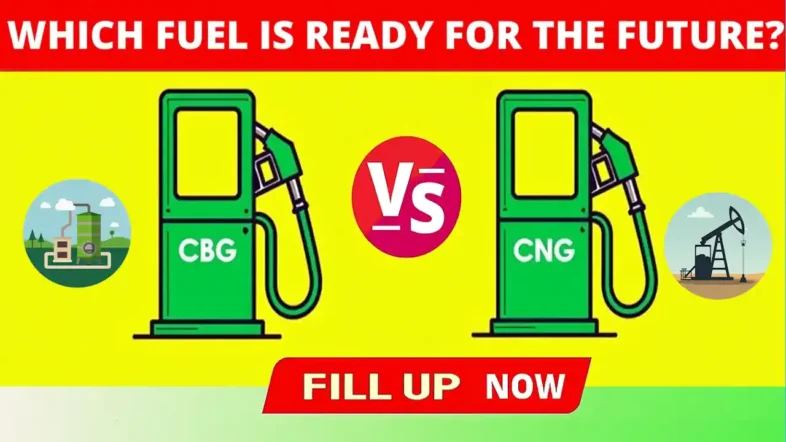
Biogas vs CNG Comparison, Differences & Benefits
Biogas and CNG both primarily consist of methane but differ significantly in origin and environmental impact. CNG, a fossil fuel, is non-renewable and emits carbon when burned, while biogas is renewable, produced from organic material breakdown, and more environmentally friendly, presenting a sustainable alternative…

Biogas Digester Tank Mixer Chosen for High Methane Output at New Taiwan AD Plant
Editor’s Note – August 2025 Update When we first published this article back in December 2021, it was in the early days of Taiwan’s ambitious journey into livestock-based biogas production. At the time, we spotlighted a rising star in digester mixing: the Landia GasMix system. Four years later, this is far from being old news. […]
Anaerobic Digestion In Australia
Have you ever wondered what happens to all the food scraps, garden waste, and leftover organics we toss every day? In Australia, much of it still ends up in landfills, producing harmful greenhouse gases like methane. With climate change pressing harder than ever and fossil fuels on the decline, finding cleaner energy sources is no […]
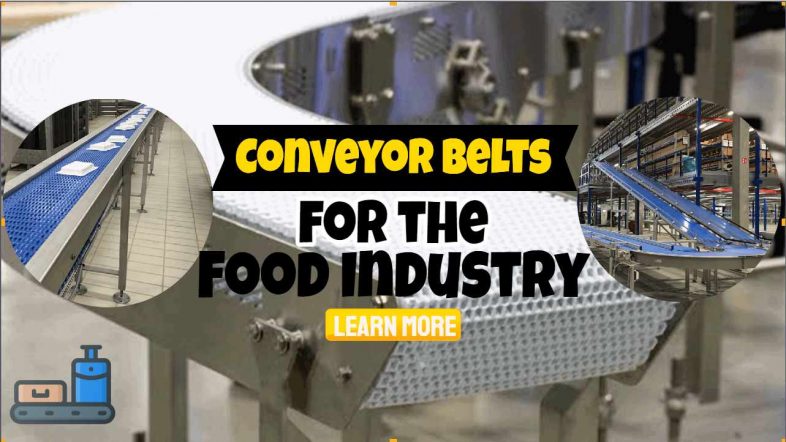
Conveyor Belts for the Food Industry and Organic Waste Recycling
Find out about conveyor belts for the food industry, and you’ll know more about applying the same technology in the biowaste and food waste anaerobic digestion industry as well. That’s what we thought when we decided to blog about food industry conveyors. Read on and see what you think about these belts, and your comments […]
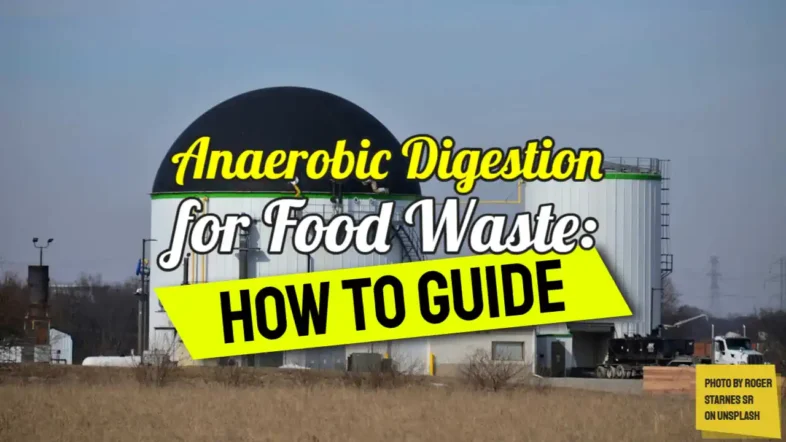
Anaerobic Digestion for Food Waste: How to Guide
Discover the ultimate guide to anaerobic digestion for food waste. Learn how to implement this sustainable solution effectively today.
Anaerobic Digestion Plants: Process, Benefits & Efficiency.
Anaerobic digestion plants employ a natural biological process to turn organic matter, such as food waste and manure, into biogas and digestate. The biogas, primarily methane and carbon dioxide, can be used to generate electricity, heat, or even fuel vehicles. The digestate, a nutrient-rich substance, can be used as a fertilizer for agriculture. Key Takeaways […]
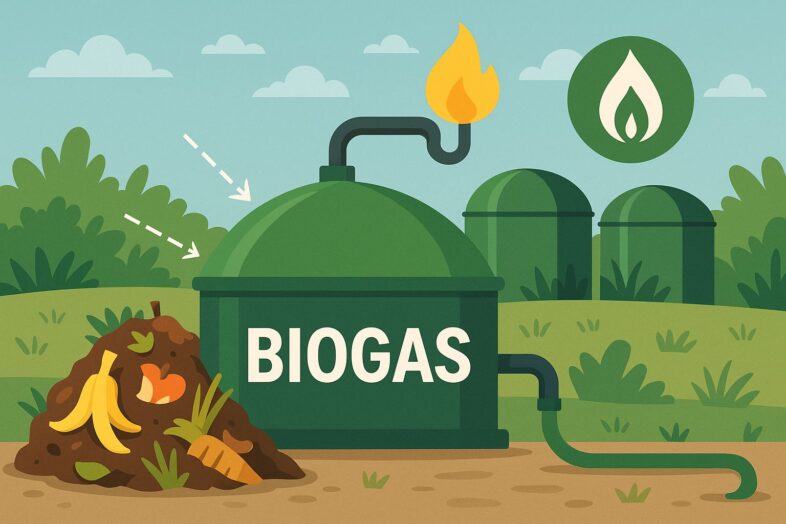
The Methane Digester UK Story: Efficient Biogas & Waste Management
The UK’s waste management is evolving with methane digesters, converting organic waste into biogas. This innovation not only addresses landfill capacity issues but also contributes significantly to renewable energy goals. Government incentives and technological advancements further boost this sector’s potential, positioning the UK as a leader in sustainable waste solutions…
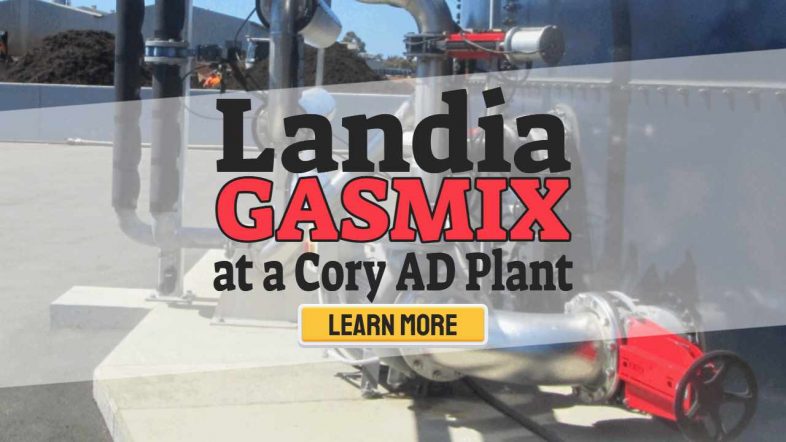
Landia’s GasMix System Installed at Cory’s First Anaerobic Digestion Plant
Landia’s acclaimed GasMix System is at the heart of the biogas making process using anaerobic-digestion, at Cory Environmental* (now Enovert). Cory, with over 40 sites, is one of the UK’s leading recycling, waste management and energy recovery companies. In March 2014, Cory unveiled its first anaerobic digestion facility. It produces renewable energy to power local […]
Biogas in Estonia – Ambitious Growth for Biomethane Vehicle Use and to Meet EU Directives
In this article, we report on the ambitious expansion underway for biogas in Estonia, with big increases in production planned, especially for biomethane in transport and to meet EU Directives. Introduction to Biogas in Estonia Estonia has significantly shifted its energy focus towards renewable sources since joining the European Union. While oil shale was previously […]
Biogas from Leftover Grain – Brewdog Brewery’s Carbon Negative Progress Continues
The Brewdog Brewery makes biogas from leftover grain and that helps fight climate change by producing renewable energy, reducing carbon emissions. Fewer emissions mean lower global temperature rises. But, how is Brewdog’s business operation overall carbon negative? Let’s start with a definition: “Carbon negativity is achieved when a business or individual removes more carbon from […]

How to Make Biogas from Food Waste at Commercial Scale and at Home
Discover how converting food waste into biogas can turn kitchen scraps into clean energy. Learn the process of producing biogas at both commercial scales and at home, addressing waste management while creating renewable energy. Transform peels and leftovers into an eco-friendly power source today…
