
Key alternatives to natural gas for heating and power include electrification (solar, heat pumps, wind), biogas and biomethane (produced from organic waste), green hydrogen, and geothermal energy, which offer lower carbon emissions. These solutions reduce dependency on fossil fuels, enhance sustainability, and assist in meeting net-zero targets.
Summary: Pros and Cons of Natural Gas Alternatives
- Natural gas, a finite fossil fuel, has approximately 52 years of supply remaining at current consumption rates, making the switch to alternatives increasingly pressing.
- Each alternative to natural gas has real trade-offs: some are available now, others are still scaling up, and costs can vary dramatically depending on your situation.
- Green hydrogen and biomethane are the most promising long-term replacements for industrial use, but both currently face significant infrastructure and cost challenges.
- Inspire Clean Energy provides resources and clean energy options to help homeowners navigate the transition away from fossil fuels.
- One alternative on this list produces nearly ten times more greenhouse gas emissions than pipeline natural gas — and it may surprise you which one it is.
The clock is ticking on natural gas, and whether you’re a homeowner looking to reduce bills or a business looking to lower emissions, understanding your options is more crucial than ever.

For years, natural gas has been a mainstay of both industrial and residential energy — it’s dependable, relatively cheap, and readily available. But two factors are quickly altering this dynamic. Firstly, it’s a fossil fuel, and at the current rate of global consumption, reserves are projected to last just 52 more years. Secondly, geopolitical instability — from Europe’s reliance on Russian pipelines to persistent global supply pressures — has revealed just how vulnerable this dependability truly is. Inspire Clean Energy has been leading the charge in helping consumers comprehend these changes and explore greener energy alternatives.
There are alternatives out there. The reality is that none of them are perfect — yet. Each has its own set of benefits, drawbacks, costs, and readiness levels. This guide will give you a detailed breakdown of every major natural gas alternative so you can make an informed decision for your home, facility, or business.
What Can We Use Instead of Natural Gas?
When Russia stopped supplying natural gas to much of Europe, it triggered a mad dash for alternatives that revealed a key fact: the world was unprepared. Countries hurried to import liquefied natural gas, restart coal plants, and speed up renewable projects all at once. The result was skyrocketing prices, energy insecurity, and a harsh lesson about relying too much on one fuel source.
Global vulnerability is the same. Natural gas prices are known to be volatile, which makes long-term energy planning difficult for both homes and industries. An authentic energy transition requires alternatives that can deliver three things at once: energy security, price stability, and lower emissions. The alternatives below are evaluated on exactly those terms.
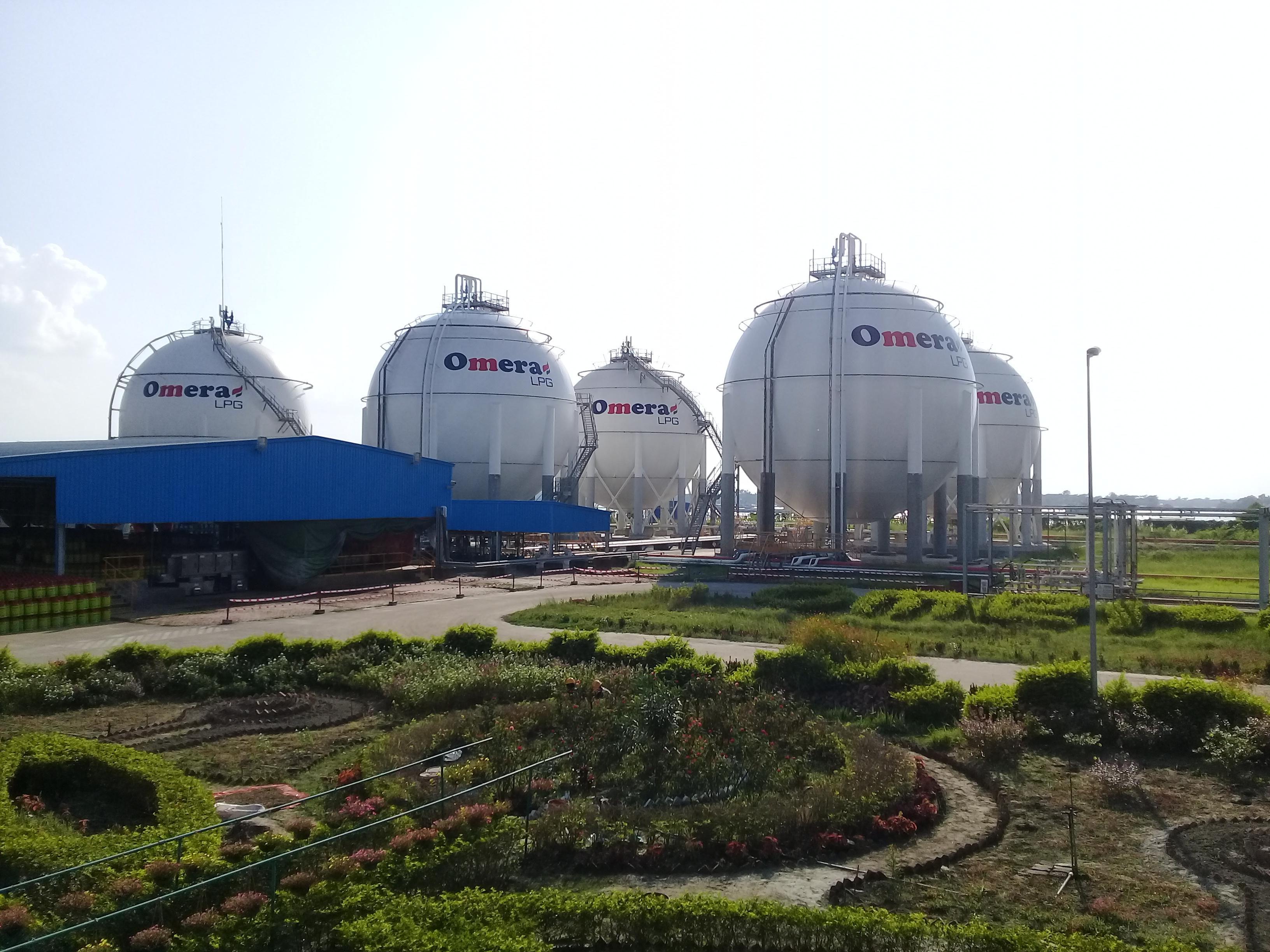
“Liquefied petroleum gas – Wikipedia” from en.wikipedia.org and used with no modifications.
1. Liquefied Natural Gas (LNG)
LNG is natural gas that has been cooled to -162°C until it liquifies, which reduces its volume by approximately 600 times. This allows it to be transported by ship to areas where pipelines are not available, making supply routes that were previously unfeasible possible. For more information on alternatives to natural gas, visit Energy Nest.
The Difference Between LNG and Regular Natural Gas
Regular natural gas is transported via pipelines in its gaseous state. LNG, or liquified natural gas, is the same substance – primarily methane – but is transported in liquid form. Once it reaches its destination, it is turned back into a gas and fed into the existing natural gas infrastructure. For the end user, there is no noticeable difference in its use. The only difference is in how it is transported. It is also important to note that LNG is not the same as LPG (liquefied petroleum gas) or CNG (compressed natural gas), which are chemically different and used for different purposes.

“Liquefied natural gas – Wikipedia” from en.wikipedia.org and used with no modifications.
The Advantages of LNG as a Transition Fuel
- Global shipping capabilities, reducing reliance on specific pipeline suppliers such as Russia
- Compatibility with current natural gas infrastructure, eliminating the need for major upgrades for end users
- Modern condensing boilers can switch from pipeline gas to LNG with minimal modifications
- Rapid deployment as a short-term bridge while renewable infrastructure is being developed
The Disadvantages of LNG: Increased Emissions and Transportation Costs
Here’s an unexpected fact highlighted in the key takeaways: imported LNG generates nearly ten times the greenhouse gas emissions of natural gas transported by pipeline. The energy-intensive liquefaction process, combined with lengthy shipping routes (often from the United States), and in some instances, extraction via fracking, are to blame. While LNG addresses a supply issue, it significantly exacerbates the emissions issue. It is best viewed as a short-term political and logistical solution, not a solution to climate change.
“Biogas – Open Source Ecology” from wiki.opensourceecology.org and used with no modifications.
2. Biogas
Biogas is made when organic material like animal waste, food waste, farm waste, or waste from landfills, breaks down without oxygen. This process is called anaerobic digestion. The gas that is produced is mostly methane (50-70%) and carbon dioxide. There are also small amounts of other gases in it.
The Making of Biogas from Organic Waste
The process of production takes place inside sealed digesters. Over a period of weeks, the organic feedstock is broken down by microorganisms, which releases biogas that is captured and stored. The remaining product is digestate — a nutrient-rich byproduct that can be used as a fertiliser. This closed-loop approach is one of the most attractive qualities of biogas: it turns waste into energy and produces a beneficial agricultural output.
Advantages of Biogas: It’s Renewable and Locally Produced
- Biogas is generated from waste products that would otherwise decay and emit methane into the atmosphere
- It can be produced locally, which reduces emissions from transport and vulnerabilities in the supply chain
- The byproduct of digestion is a natural fertiliser, which adds value to the circular economy
- The carbon emissions from burning biogas are considered part of the natural carbon cycle, not new fossil carbon
Disadvantages of Biogas: There are Infrastructure Gaps and the Cost of Refinement is High
Raw biogas cannot usually be fed directly into the natural gas grid. It contains too much CO₂ and other impurities, so it needs to be refined to become biomethane. This process is technically complex and costly. Furthermore, very few biogas plants are currently connected to the natural gas distribution network, which limits its potential as a widespread alternative. Scaling up biogas injection into gas grids to industrial levels requires significant investment in both production facilities and grid connection infrastructure.
3. Biomethane
Biomethane is a purified form of biogas. The process of upgrading removes CO₂ and other impurities until the methane content reaches 95% or higher, which is equivalent to the quality of natural gas that we use today.
Comparing Biomethane to Biogas
Biogas is the raw product, while biomethane is the finished, usable product. Biogas doesn’t have many direct uses in its raw form, but biomethane can be used directly in existing natural gas infrastructure. This is a huge advantage because it means that biomethane can be delivered to homes and businesses through the existing pipes without requiring any changes to appliances or heating systems. For more information on the benefits of using biogas, you can explore combined heat and power advantages.
Advantages of Biomethane: Compatible with the Grid and Carbon Neutral
Why biomethane is important: Biomethane is unique among natural gas alternatives because it doesn’t require new infrastructure for the end user. It can be used with existing boilers, cooktops, and industrial burners. This makes it one of the easiest ways to reduce carbon emissions in the gas grid.
- No need for appliance or grid changes as it’s chemically identical to natural gas
- When produced from organic waste, it’s carbon-neutral throughout its lifecycle
- As production increases, it can be mixed with natural gas in larger proportions
- In many markets, it can be certified as renewable gas, offering producers a chance to make money
Because it’s compatible with the grid, biomethane is particularly appealing as a tool for decarbonising industries and areas where electrification is either difficult or too expensive in the short term. Learn more about biogas production from sewage sludge and its role in renewable energy.
Downsides of Biomethane: Limited Supply and High Processing Costs
The process to upgrade biomethane to be ready for the grid is costly. To remove CO₂ and other contaminants, you need specialised equipment, such as pressure swing adsorption units, membrane separation systems, or water scrubbing technology. None of these is inexpensive. These capital costs make it economically challenging to produce biomethane on a small scale without subsidies or guaranteed offtake agreements.
- The availability of feedstock is geographically uneven — rural areas with agricultural waste have more potential than urban centres
- The total potential for biomethane is limited by the finite amount of organic waste available
- Upgrading facilities requires skilled operators and ongoing maintenance costs
- Grid injection points are scarce in many regions, creating bottlenecks even when biomethane is produced
It’s clear that biomethane alone cannot replace natural gas at scale. It’s a valuable piece of the puzzle — particularly for hard-to-decarbonise industrial processes — but the feedstock ceiling means it will always be a contributor rather than the whole solution.
However, in countries with robust agricultural sectors and policies that support it, biomethane can significantly reduce gas demand. Several European countries are already setting ambitious biomethane production goals as part of their broader energy transition strategies.
4. Green Hydrogen
A Quick Look at Green Hydrogen: Green hydrogen is made by separating water molecules with renewable electricity. When it is burned, it only releases water vapour. It is believed to be the most likely long-term alternative to natural gas for heavy industry. However, it is currently much more expensive to make than alternatives that come from fossil fuels.
Hydrogen isn’t a new kid on the block. It’s been used for years in various industries, such as chemical manufacturing, oil refining, and steel production. The game changer is the recent push to produce hydrogen in a clean manner. Currently, more than 95% of the world’s hydrogen is produced from fossil fuels, also known as grey hydrogen, which releases a significant amount of CO₂. Green hydrogen revolutionizes this process by using electrolysis powered by wind or solar energy. This shift is crucial in efforts to slow climate change.
Green hydrogen has a vast potential. It can be burned in modified gas turbines, used in fuel cells to generate electricity, or converted back into a gas-like fuel (power-to-gas) and injected into existing pipelines. For industrial processes that require very high temperatures — steel furnaces, cement kilns, glass manufacturing — green hydrogen is one of the very few alternatives that can actually deliver the heat intensity required.
Green hydrogen stands out from many other alternatives due to its versatility. It can be used as a fuel, an energy storage medium, and a chemical feedstock. This makes it applicable in sectors that other renewables cannot reach. This is why governments from the EU to Australia to the US are investing billions in green hydrogen development. For instance, initiatives are underway to reduce landfill methane, which complements the broader efforts in sustainable energy solutions.
The Process of Creating Green Hydrogen with Renewable Electricity
Electrolysis is the name of the process. An electrolyzer sends an electrical current through water, which separates it into hydrogen and oxygen. When the electricity used in this process comes from a renewable source, such as solar panels, wind turbines, or hydropower, the hydrogen produced has no carbon footprint. The only byproduct when the hydrogen is used is water vapor.
There are a few types of electrolyzers in use or being developed. Proton Exchange Membrane (PEM) electrolyzers respond quickly and work well with variable renewable energy sources such as wind and solar. Alkaline electrolyzers are an older, more established technology and are currently less expensive to operate on a large scale. Solid Oxide Electrolyzers (SOECs) operate at high temperatures and are more efficient, but they are still mostly in the testing phase.
One of the main ways to reduce the cost of green hydrogen is to increase the production of electrolyzers. As more are produced and the technology improves, the cost per kilogram of green hydrogen is expected to drop significantly. However, it’s currently still more expensive than grey hydrogen when comparing the cost per energy unit.
| Type of Hydrogen | How It’s Made | CO₂ Emissions | Current Cost (Approx.) |
|---|---|---|---|
| Grey Hydrogen | Steam methane reforming (natural gas) | High | $1–$2/kg |
| Blue Hydrogen | Steam methane reforming + carbon capture | Reduced | $1.50–$3/kg |
| Green Hydrogen | Electrolysis powered by renewable energy | Almost none | $3–$8/kg |
Benefits of Green Hydrogen: No Emissions When Used
When green hydrogen is burned, the only thing it produces is water vapor. There’s no CO₂, no particulates, no nitrogen oxides at meaningful levels when combustion is properly managed. For industries where it’s seemed almost impossible to decarbonize — like primary steel production, high-temperature ceramics, and ammonia synthesis — green hydrogen offers a real solution that just using electricity can’t provide.
Green hydrogen also addresses the issue of energy storage that is a significant challenge for renewable energy sources. Extra electricity produced by solar and wind that would otherwise be wasted can be harnessed to create green hydrogen. This can then be stored and used when there is a decrease in energy production. This means that green hydrogen is not only a fuel source, but it is also a crucial component for a completely renewable energy system.
Disadvantages of Green Hydrogen: Expense and Infrastructure Challenges
Green hydrogen is currently costly — much more so than natural gas when compared on an energy-equivalent basis. In addition to cost, hydrogen has a low energy density per unit volume, which means pipelines must transport much larger volumes to deliver the same amount of energy. Existing natural gas pipelines can accommodate hydrogen mixtures of up to approximately 20% without significant modifications, but transporting pure hydrogen requires either new dedicated pipelines, compression, or conversion to a hydrogen carrier like ammonia. Storage is also technically difficult because hydrogen is the smallest molecule in existence and tends to leak through materials that would easily contain natural gas. For a deeper understanding of energy alternatives, consider exploring the advantages and disadvantages of combined heat and power systems.
5. Electric Heat Pumps
Electric heat pumps are a great choice for both residential and commercial heating. They are a viable and readily available alternative to gas boilers. Instead of creating heat by burning fuel, heat pumps take thermal energy from outdoor air, the ground, or water sources and bring it indoors. This process is more efficient than combustion.
Heat Pumps: Energy Efficiency and Lower Running Costs are Big Pluses
Heat pumps are highly efficient. While a gas boiler can convert about 90% of fuel into heat (and modern condensing boilers can push this close to 95%), a heat pump can deliver 2.5 to 4 units of heat energy for every 1 unit of electrical energy it uses. This ratio, known as the Coefficient of Performance (COP), means heat pumps are naturally more efficient than any heating system that uses combustion. For those interested in exploring alternative energy sources, anaerobic digestion pretreatment can be a complementary technology to consider.
As power grids begin to incorporate more renewable energy sources like wind and solar, the carbon emissions of heat pumps will decrease without needing to make any changes to the unit. A heat pump installed today will only get cleaner as power grids reduce their carbon emissions in the future. This characteristic of being able to adapt to future conditions is what makes heat pumps different from fossil fuel systems.
Heat pumps can also cool your home in the summer by reversing their operation, effectively replacing both a gas boiler and an air conditioning unit with one system. For households in climates that require both heating and cooling, this dual functionality can save you money.
| Heating System | Efficiency Rating | Fuel Source | Carbon Trajectory |
|---|---|---|---|
| Gas Boiler (condensing) | ~94% AFUE | Natural gas | Fixed (fossil) |
| Air Source Heat Pump | 200–300% equivalent | Electricity | Improves with grid |
| Ground Source Heat Pump | 300–500% equivalent | Electricity | Improves with grid |
Disadvantages of Heat Pumps: Initial Installation Costs
The main obstacle to heat pump adoption is the initial cost. Air source heat pump systems usually range from $4,000 to $8,000 installed, while ground source systems — which require drilling or trenching — can cost $15,000 to $30,000 or more depending on the size and geology of the property. Older homes with poor insulation may also require upgrades to wall insulation and larger radiators or underfloor heating to work effectively with the lower flow temperatures heat pumps produce. Government incentive programs in many countries are helping to close this cost gap, but the initial outlay remains a significant hurdle for many households.

“Solar thermal energy – Wikipedia” from en.wikipedia.org and used with no modifications.
6. Solar Thermal Energy
Solar thermal energy is a lesser known alternative to solar photovoltaic (PV) panels, which generate electricity. However, when it comes to heating water and spaces, solar thermal systems can be impressively efficient. These systems convert sunlight directly into heat, and their efficiency levels often surpass those of most PV and heat pump combinations in terms of panel area.
Using Solar Thermal for Home Heating
Solar thermal collectors are usually located on the roof and contain a fluid (water or a glycol antifreeze mixture) that absorbs heat from the sun. The heated fluid is then circulated through a heat exchanger in a storage tank, which warms the water supply for the home or feeds into a heating system for the home. Flat plate collectors are the most common and affordable type, while evacuated tube collectors perform better in cold or overcast conditions because they use vacuum-sealed tubes to minimize heat loss. For those interested in exploring other energy-efficient technologies, consider learning about combined heat and power systems as an alternative.
Advantages of Solar Thermal: Free Energy and Minimal Pollution
Solar thermal statistics: A properly sized solar thermal system can meet 50–70% of a home’s yearly hot water needs, and this number can climb to over 90% in the summer. The cost of installation usually falls between $3,000 and $6,000, and the only regular maintenance needed is occasional fluid checks.
Once the solar thermal system is installed, the cost of heating water drops significantly because the sun, which powers the system, is free. There are no emissions from burning fuel at the point of use, and the carbon that is embodied in the manufacture of solar thermal collectors is recovered within one to two years of operation in most climates.
When compared to heat pumps, solar thermal systems are mechanically simple, requiring less maintenance due to fewer moving parts. Flat plate collectors are especially durable and long-lasting — with quality installations often lasting 20 to 25 years with little need for intervention beyond the occasional pump seal replacement.
If you live in a sunny area, solar thermal is one of the most cost-effective renewable heating technologies currently available. The lack of fuel cost and low maintenance make the long-term financials truly enticing, especially as gas prices continue their unpredictable climb.
Drawbacks of Solar Thermal: Weather Reliance and Storage Constraints
The performance of solar thermal plummets in the winter and during long stretches of cloudy weather — exactly when the need for heating is highest. This discrepancy between supply and demand necessitates a secondary heat source for solar thermal, usually a gas boiler or heat pump, to make up for any deficiencies. Heat can be stored in tanks for 24 to 48 hours, but storing it for an entire season at a residential level is currently unfeasible. As a result, solar thermal is a fantastic supplemental technology rather than a total independent substitute for natural gas heating.
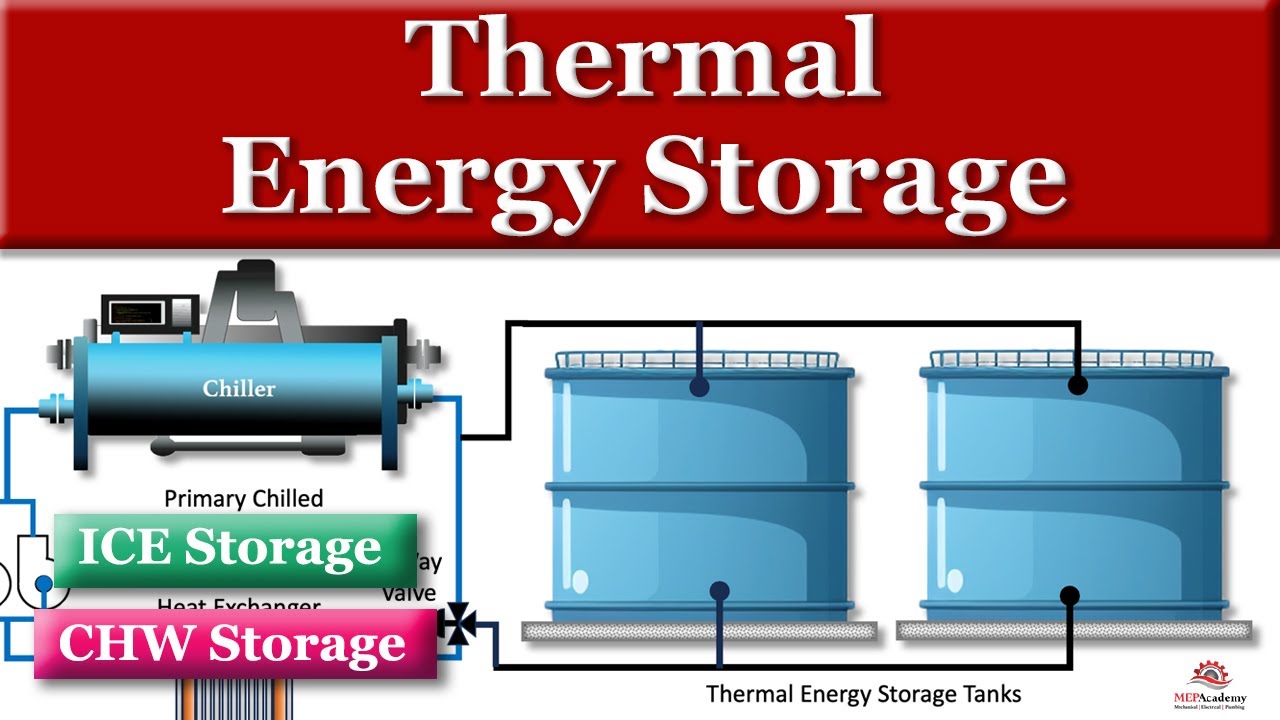
“Thermal Energy Storage – YouTube” from www.youtube.com and used with no modifications.
7. Thermal Energy Storage
Thermal energy storage (TES) is not so much a direct energy source, but rather a crucial technology that makes every other alternative on this list function more efficiently. The basic idea is simple: store heat (or cold) when energy is cheap or plentiful, and then release it when demand is high or supply is scarce.
Understanding Thermal Batteries and How They Work
Today’s thermal energy storage systems operate by transforming electrical energy into heat and storing it in a material with a high density. These materials often include molten salt, ceramic bricks, or phase-change materials. These materials have the ability to hold onto thermal energy for a long time with very minimal losses. When the heat is required, it is taken from the storage medium and then delivered to the building or process. Companies such as ENERGYNEST have created modular thermal battery systems that were specifically designed for industrial uses. They use a storage medium that is based on concrete and can store heat at temperatures that can reach as high as 400°C.
In homes, thermal storage is straightforward, such as hot water tanks that are charged overnight with inexpensive off-peak electricity, or underfloor heating systems with high thermal mass that soak up and gradually release heat. On the grid scale, molten salt storage combined with concentrated solar power plants can store heat for 10 to 15 hours, allowing solar energy to generate power throughout the night. The technology covers a vast range of scales and applications, which is one of its key advantages.
Thermal Storage Advantages: Flexibility and Grid Independence
- Reduces grid strain and curtailment by absorbing excess renewable electricity during periods of overproduction
- Provides heat on demand, regardless of whether the sun is shining or the wind is blowing
- Can significantly lower energy costs by shifting consumption to off-peak pricing periods
- Works with virtually every heat source, including solar thermal, heat pumps, green hydrogen, and electric resistance heating
- Industrial thermal batteries can replace gas-fired process heat with zero point-of-use emissions
Thermal Storage Disadvantages: Early Adoption and Costs
Large-scale thermal storage systems, especially industrial thermal batteries, come with high upfront capital costs and are still in relatively early stages of commercial deployment. Integration with existing industrial processes requires careful engineering, and the economics are heavily dependent on the local price difference between peak and off-peak electricity. For residential applications, the technology is more accessible, but even smart hot water tanks require compatible tariffs and control systems that aren’t universally available yet. As deployment increases and more utilities offer time-of-use pricing, the business case for thermal storage becomes much stronger.
Choosing the Right Natural Gas Alternative for Your Needs
Every home, facility, and industrial operation is unique, and there is no one-size-fits-all solution. The best natural gas alternative for you will depend on your existing setup, your location, your budget, and how urgently you need to make the switch. The most important thing is to understand which options are available to you immediately, and which ones require waiting for infrastructure or cost reductions that are still in the future.
Deciding Factors for the Best Choice for Your Home or Business
For the majority of homeowners, the choice boils down to three pragmatic factors: the building’s age and insulation quality, the local electricity grid’s carbon intensity, and the available upfront budget. A well-insulated modern home in an area with clean electricity is a perfect candidate for an air source heat pump right now. A property that is older with solid walls and high-temperature radiators might require insulation upgrades before a heat pump can operate efficiently — or solar thermal might be a better investment in the short term.
For businesses and industrial operators, the primary concerns are about process temperature requirements and scale. Heat pumps and solar thermal can easily provide low-temperature process heat below 100°C. Industrial thermal storage can increasingly serve medium-temperature applications up to 400°C. High-temperature processes above 400°C — the most difficult cases in steel, cement, and glass — are where green hydrogen becomes the most credible pathway, even if costs are high today.
How Your Location Determines the Best Alternative
Where you live has a big impact on the cost-effectiveness of each alternative. Solar thermal is a great investment in places like Southern Europe, the US Sun Belt, Australia, and the Middle East, but it’s not as effective in Northern Europe or the Pacific Northwest. Ground source heat pumps work well anywhere the ground temperature is stable, but they require land or drilling access that isn’t always available in urban areas. Biogas and biomethane are most effective in agricultural areas with lots of organic waste. Green hydrogen projects are most common in coastal areas with strong wind resources and access to seawater for electrolysis. Your location doesn’t prevent you from using these alternatives, but it does affect which one will give you the best return on your investment.
Common Queries
When considering a move away from natural gas, there are several practical concerns that extend beyond the technology itself. These include cost, safety, timing, and the actual availability of alternatives. The responses provided below are based on the performance of current technologies and the current state of the market.
It’s important to remember that the situation is rapidly evolving. Incentive programs, decreasing equipment prices, and growing infrastructure mean that options that appeared to be unattainable two or three years ago are now truly available for many households and businesses.
Which is the Most Cost-Effective Replacement for Natural Gas in Home Heating?
Heat pumps usually offer the most economical solution to natural gas for home heating, especially in areas where electricity is reasonably priced or where attractive off-peak rates are offered. Their high efficiency (COP of 2.5 to 4) allows them to provide more heat per dollar spent on energy than any combustion system. Additionally, exploring alternative energy sources like biogas production from sewage sludge can offer sustainable options for reducing reliance on natural gas.
However, the situation is significantly different when you factor in the upfront installation costs. If your main concern is your budget and you can’t afford to replace your entire system, solar thermal is a great investment for water heating specifically. It often pays for itself within 7 to 12 years, depending on where you live and how much gas costs.
If you have access to biomethane through the gas grid, you won’t have to pay anything up front. All you have to do is switch suppliers and your existing appliances will run on a gas blend that is less carbon-intensive. This is the easiest option for households that aren’t ready to completely overhaul their system.
What is considered “cheapest” really depends on how far into the future you’re looking. If you’re thinking short term, biomethane or a gas grid blend would be the most affordable. However, if you’re considering the cost over a 15 to 20 year period, heat pumps are generally the most cost effective, especially as gas prices are predicted to rise and electricity grids are becoming more eco-friendly.
Comparing the Cost of Natural Gas and Other Home Heating Options
| Option | Initial Cost (Approximate) | Yearly Operating Cost | Best For |
|---|---|---|---|
| Natural Gas Boiler | $2,000–$4,000 | Depends on gas price | Baseline comparison |
| Air Source Heat Pump | $4,000–$8,000 | Less than gas in most areas | Homes with good insulation |
| Ground Source Heat Pump | $15,000–$30,000+ | Lowest of all options | Properties with access to land |
| Solar Thermal | $3,000–$6,000 | Nearly zero (for water heating) | Areas with a lot of sunshine, water heating |
| Biomethane (grid blend) | $0 (switch supplier) | About the same as natural gas | Renters, households that can’t be modified |
Will Biogas Ever Fully Replace Natural Gas?
Biogas — and biomethane, which is a more refined form — can’t completely replace natural gas. The main problem is that there’s only so much organic waste, agricultural residue, and landfill material available for digestion. Even if we could capture and convert all of it, it still wouldn’t be enough to meet the world’s current natural gas consumption. Biogas should be seen as a significant contributor to decarbonization — especially useful for industrial sectors that are hard to electrify — rather than a complete replacement. When you combine it with green hydrogen, electrification, and efficiency improvements, it plays a crucial role in a clean energy system that’s diversified. For more insights on how biogas production is being optimized, check out this article on effective biogas yield optimization.
Can Green Hydrogen Be Safely Used in Homes?
Green hydrogen has different safety considerations than natural gas. Hydrogen is highly flammable over a broad concentration range in air (4–75% by volume, compared to natural gas at 5–15%), and its small molecular size allows it to permeate materials that can easily contain natural gas. However, hydrogen is also lighter than air, which means that leaks quickly dissipate upward rather than pooling near ignition sources like propane does. With appliances designed for this purpose, hydrogen-rated pipework, and appropriate sensors, residential hydrogen use is considered manageable from a safety engineering perspective — but existing gas appliances and pipework are generally not suitable for pure hydrogen without modification or replacement.
What is the Timeframe for Transitioning From Natural Gas to a Different Source?
The length of time it takes to transition from natural gas to a different source can greatly vary. It depends on the type of alternative you choose and the complexity of your current system. Some transitions can be completed in a matter of days, while others may take several months to plan, install, and possibly upgrade your building.
Transitioning to a biomethane-blended gas supply using your current grid connection is practically immediate — it’s a change of supplier or tariff, not a physical installation. On the other hand, installing a ground source heat pump, which involves drilling a borehole, installing a new heat distribution system, and possibly upgrading insulation, can take three to six months from the initial survey to commissioning.
For most homeowners, the transition to an air source heat pump can take anywhere from four to twelve weeks from the time they make the decision to the time the installation is complete. This timeline takes into account the time it takes to get the equipment, the availability of the installer (which can be limited in many markets due to high demand), and any work that needs to be done on the property to prepare for the installation.
- Biomethane grid switch: Days — just a supplier change
- Solar thermal installation: 1 to 3 days of installation work, 2 to 6 weeks lead time
- Air source heat pump: 2 to 5 days of installation, 4 to 12 weeks total process
- Ground source heat pump: 1 to 2 weeks of installation, 3 to 6 months total process
- Industrial green hydrogen retrofit: 12 to 36 months depending on scale and infrastructure requirements
Are Natural Gas Alternatives Available to Homeowners Right Now?
Yes — several alternatives are available to homeowners today without waiting for future technology or infrastructure. Air source heat pumps are commercially mature, widely installed across Europe, North America, and Asia-Pacific, and supported by government incentive schemes in many countries. Solar thermal systems have been available for decades and remain a practical choice for water heating. In regions where biomethane is being injected into the gas grid, switching is as simple as choosing a green gas tariff.
Availability does differ by region. Countries with robust renewable energy policies — such as the UK, Germany, the Netherlands, Australia, and increasingly the US following the Inflation Reduction Act — have the most established installer networks, the most competitive equipment markets, and the strongest financial incentives. In other markets, availability is on the rise but installer capacity and equipment supply chains are still trying to keep up with demand.
The cost of heat pumps has decreased significantly in the last three to five years. The number of installers has increased and incentive schemes have become more generous in many markets. Rising gas prices and falling alternative technology costs have brought us to a financial crossover point. This is where switching to alternative energy sources makes clear economic sense, even before counting environmental benefits. This crossover point has arrived for a growing number of households.