Digestate fertilizer, a nutrient-rich bio-fertilizer produced via anaerobic digestion, can significantly lowers soil nutrient costs for farms. By replacing expensive synthetic fertilizers with whole or separated digestate, growers can easily save between $135 to $150 (£110 to £120 per hectare, according to Farmers Weekly, while improving overall soil health and long-term crop yields.
Key Takeaways on the Digestate Fertilizer Topic
- Through anaerobic digestion of organic waste, digestate fertilizer is produced, which contains the same primary nutrients—nitrogen (N), phosphorus (P), and potassium (K)—as synthetic fertilizers.
- According to a 12-year field study by Iowa State University conducted across 14 commercial farm fields, consistent application of digestate significantly increased soil organic carbon (SOC), a critical measure of long-term soil health.
- When applied at the right rates and in the right way, both liquid and solid digestate can perform as well as, or even better than, mineral fertilizers and untreated manure.
- Untreated or untested digestate carries real risks, such as heavy metal accumulation, ammonia volatilization, and phytotoxicity. Therefore, soil testing is a must before application.
- Read on to learn which crops are most responsive to digestate, the application rates to use, and how to navigate the U.S. regulations governing land application.
Summary of the Article
Digestate fertilizer is slowly but surely changing the way progressive farmers view soil nutrition. If used correctly, it could significantly reduce your input costs.
With the rising costs of synthetic fertilizers putting pressure on farm budgets, digestate, a nutrient-rich byproduct of anaerobic digestion, is emerging as a viable sustainable alternative. Resources such as those promoting regenerative farming methods are progressively spotlighting digestate as a feasible solution for farmers seeking to establish nutrient cycles in their operations and enhance soil health in the long run.
Using Digestate Can Reduce Fertilizer Expenses Without Yield Loss
Artificial fertilizer inputs are among the most significant variable expenses on any crop farm. Digestate presents an attractive substitute — one supported by field-scale studies, not just laboratory research. When properly managed, it provides equivalent or superior nutrient availability to traditional fertilizers while concurrently enhancing soil biology over time.
The most important thing to remember is that digestate needs to be managed. It’s not as simple as just replacing your current fertilizer with digestate. You need to test it, use it at the right time, and have a good understanding of both your soil and the feedstock that was used to create the digestate. But if you’re willing to put in the effort, the benefits to your crops and your wallet can be significant.
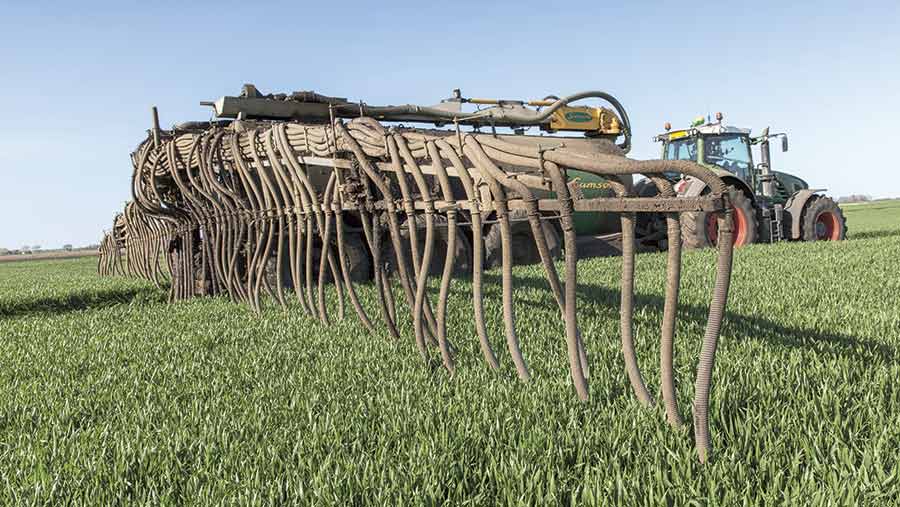
“anaerobic digestate as a fertiliser …” from www.fwi.co.uk and used with no modifications.
Understanding Digestate Fertilizer
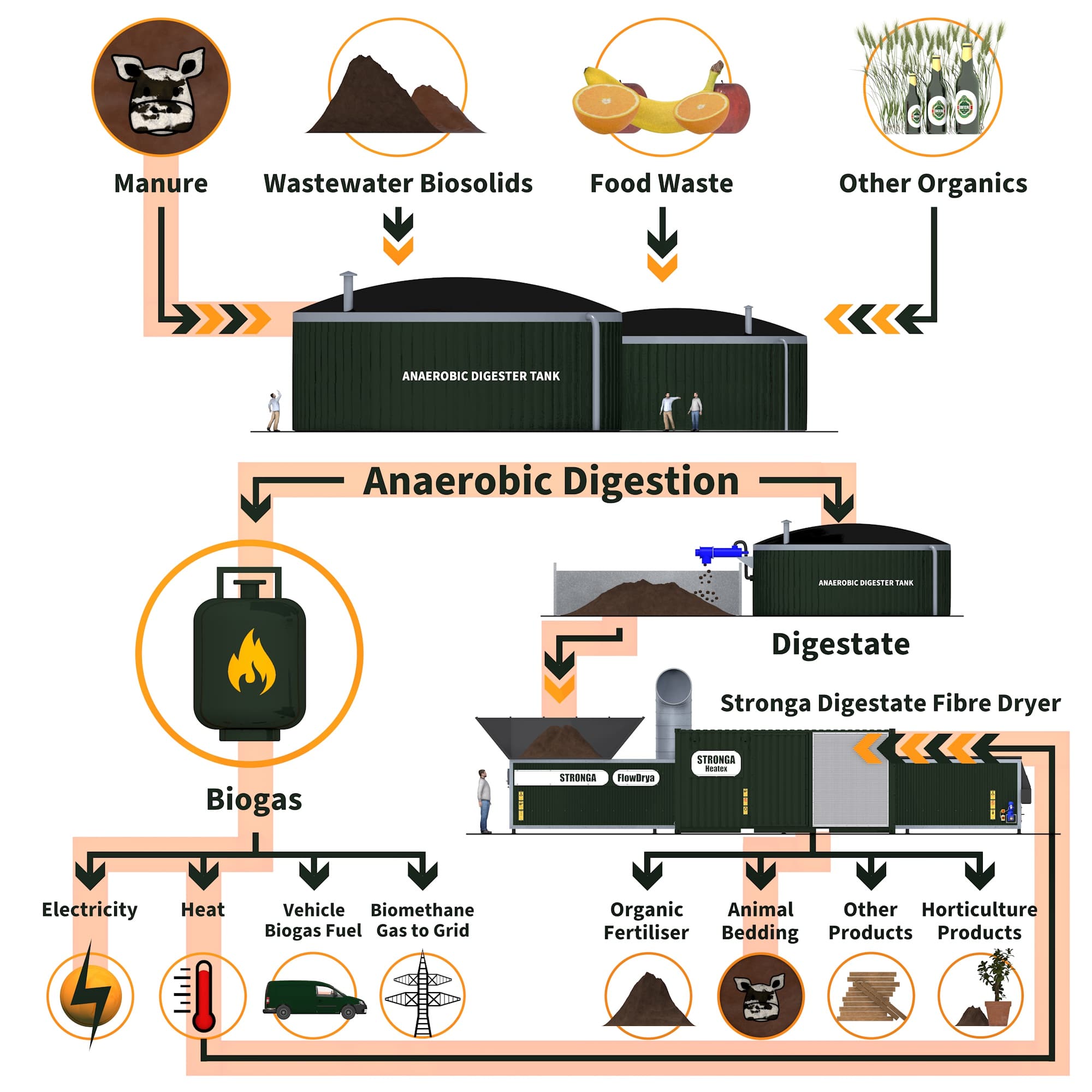
When organic matter is decomposed by microorganisms without oxygen, the remaining material is known as digestate. This is not a waste product. Instead, it is a concentrated, biologically active substance that contains most of the nutrients from the original feedstock, but in a form that plants can absorb more easily. This process is known as anaerobic digestion (AD).
Farmers will typically come across two main types of digestate:
- Liquid digestate — This is a slurry-like substance with a high water content. It’s rich in ammonium nitrogen, which plants can use immediately. It’s typically applied directly to fields either by injecting it into the soil or spreading it on the surface.
- Solid digestate — This is the fibrous portion that’s separated from the liquid. It releases nutrients more slowly and can be composted or heat-dried into fertilizer pellets, which are easier to handle and store.
Both types contain nitrogen, phosphorus, and potassium, which are the basic macronutrients that all crops need. The differences between the two are the rate at which nutrients are released, the method of application, and how each one interacts with soil biology.
How Digestate is Made Through Anaerobic Digestion
Anaerobic digestion involves the decomposition of organic matter through four microbial stages: hydrolysis, acidogenesis, acetogenesis, and methanogenesis. The process produces biogas (mainly methane, which is used for energy) and digestate. The microorganisms that carry out this process use carbon for energy, which means the resulting digestate has a higher proportion of nitrogen, phosphorus, and potassium compared to the original feedstock.
One of the key benefits of digestate over raw manure or uncomposted organic material is its nutrient concentration effect. The digestion process also significantly reduces pathogens and weed seeds, which reduces the risk of biosecurity when organic amendments are applied to cropland.
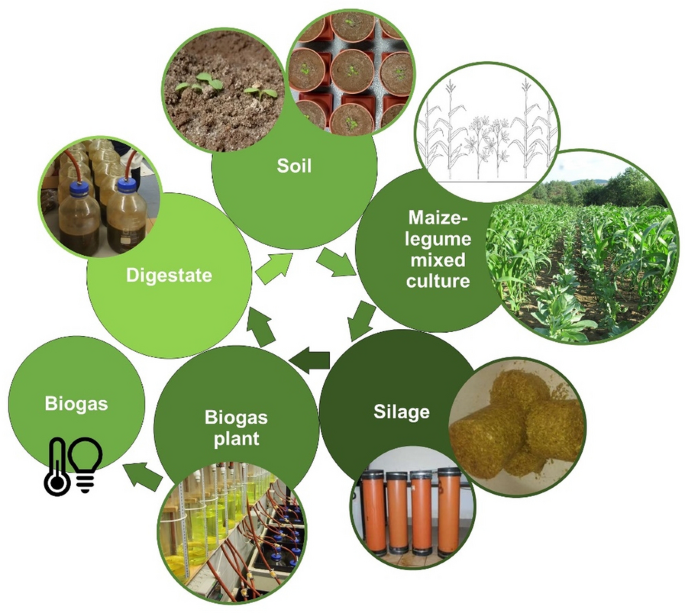
“EFFECT of digestates derived from the …” from link.springer.com and used with no modifications.
Liquid Digestate and Solid Digestate: Understanding the Distinction
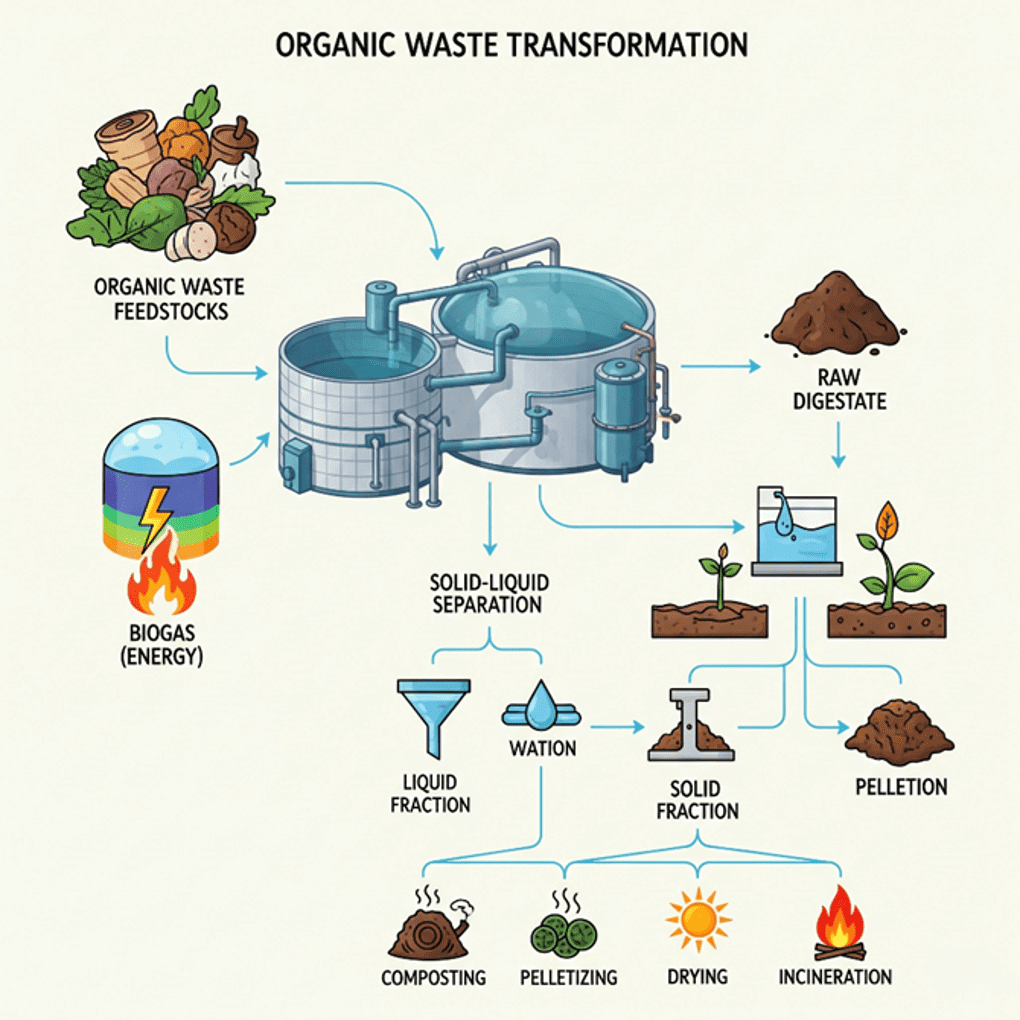
When anaerobic digestion is complete, the product is usually divided into liquid and solid portions using mechanical separation tools such as screw presses or centrifuges. Liquid digestate accounts for the majority of the volume and is quick-acting because of its high ammonium-N content. Solid digestate, on the other hand, holds onto more of the phosphorus and organic carbon, behaving more like a slow-release soil conditioner.
When it comes to actual farming, liquid digestate is most effective when used just before planting, as crops are in immediate need of nitrogen. Solid digestate, on the other hand, is more beneficial for improving soil organic matter over a number of seasons, or in fields where maintaining nutrients from one year to the next is a key management concern.
The Best Raw Materials for Producing High-Quality Digestate
The quality of digestate is a direct reflection of the materials that were input into the digester. Typical feedstocks include cattle manure, food processing waste, crop residues, and energy crops that are grown specifically for this purpose. Studies have consistently found that digestate that is derived from combinations of cattle manure and food waste tends to have the highest nutrient density and the most agronomic utility.
When using digestate from mixed municipal or industrial waste streams, it’s important to be cautious of potential contamination with heavy metals and synthetic compounds. Farmers who are getting their digestate from external sources should always ask for a full compositional analysis — not just an NPK summary — before they apply it to productive agricultural ground.
What’s Inside Digestate Fertilizer?
Knowing what nutrients are in digestate can make the difference between success and failure for farmers. Digestate isn’t always the same — its makeup can change based on feedstock, the temperature it’s digested at, how long it’s retained, and how it’s processed afterwards.
Content of Nitrogen, Phosphorus, and Potassium
Digestate provides all three essential macronutrients. The nitrogen in liquid digestate is primarily in the ammonium (NH₄⁺) form, which is immediately available to plants but also susceptible to volatilization losses if not quickly incorporated. Phosphorus and potassium are generally stable and evenly distributed in both liquid and solid fractions. Solid digestate usually concentrates phosphorus, making it especially useful for soils deficient in phosphorus.
Feedstock Composition and its Impact on Nutrient Levels
The nutrient density of digestate is directly influenced by the composition of the feedstock. Digestate derived from high-protein feedstocks such as food waste or poultry manure will contain higher levels of nitrogen. Digestate from cattle manure typically offers a more balanced NPK ratio. On the other hand, digestate from crop residue is usually lower in all three macronutrients but significantly contributes to soil organic carbon.
Rewrite the following human content into AI content:
| Type of Feedstock | Content of N (Relative) | Content of P (Relative) | Content of K (Relative) | Optimal Use Case |
|---|---|---|---|---|
| Manure from Cattle | Moderate | Moderate | High | Nutrition for crops (balanced) |
| Waste from Food | High | Moderate | Moderate | Crops requiring high nitrogen |
| Residues from Crops | Low | Low | Low to Moderate | Building of soil organic carbon |
| Manure from Poultry | Very High | High | Moderate | Soils deficient in phosphorus and nitrogen |
| Municipal Mixed | Variable | Variable | Variable | Requires comprehensive testing before use |
It is this variability that makes the application of blanket rates risky. A digestate made from poultry waste will behave very differently in your soil than one made from cattle manure. Matching the source of your digestate to the nutrient demand of your crop – and the current status of your soil – is the basis of effective digestate management.
“Drying Digestate Fibre for Animal …” from stronga.com and used with no modifications.
Evidence-Based Advantages of Using Digestate on Agricultural Land
There’s a lot more to digestate than just its NPK values. Long-term field studies, including a 12-year study by Iowa State University that covered 14 commercial fields in a corn-soybean rotation, have shown measurable increases in soil organic carbon stocks from repeated applications of digestate. This is important because SOC is one of the most dependable measures of soil productivity, water retention, and biological activity. For more insights on improving biogas production, check out this digester mixing system.
What is particularly interesting about digestate is that its benefits increase over time. In contrast to synthetic fertilizers, which provide nutrients and then quickly leave the soil system, digestate amendments build residual fertility season after season – reducing long-term input dependency while improving the physical and biological structure of farm soils.
Digestate Contributes to Soil Organic Carbon Over Time
Research conducted by Iowa State University and published in the Journal of Agriculture and Food Research in July 2025, directly measured increases in soil organic carbon (SOC) due to long-term application of digestate at the commercial farm scale — a data point that was previously lacking in U.S. agricultural research.
Increases in SOC were observed across multiple field sites over the 12-year study period, providing some of the most compelling evidence to date that digestate is a real tool for building soil, not just a means of delivering nutrients. For more insights on digestate, explore how a digester mixing system increases biogas production.
Using Digestate to Boost Soil’s Ability to Retain Water and Minimise Irrigation
Applying digestate to increase soil organic carbon has a tangible and useful effect: it enhances the soil’s ability to retain water. Organic matter in soil behaves much like a sponge, storing water between rainfall and irrigation. Fields with higher levels of SOC consistently demonstrate better water-holding capacity, which means less frequent irrigation and lower water costs. This is especially beneficial in areas where crops are grown, and drought is common.
The organic fibrous material in solid digestate fertilizer is particularly good at enhancing the structure of the soil. It loosens up compacted soils, making more room for both water to infiltrate and roots to penetrate. This structural enhancement becomes self-perpetuating over several application cycles — a better structure promotes more microbial life, which in turn builds more organic matter, which in turn improves water dynamics.
For farmers who use centre-pivot or drip irrigation systems, even a small improvement in the soil’s ability to hold water can significantly reduce the cost of pumping over an entire growing season. This is one of the lesser-known but economically important benefits of building soil organic carbon (SOC) through regular use of digestate.
Using Digestate Can Lessen Soil Erosion and Nutrient Runoff
Soil that has been treated with digestate over a long period of time will have improved aggregate stability. This means that the particles in the soil will bind together better and will be less likely to be dislodged by rain or wind. This can greatly reduce the rate of erosion on fields that are sloped or bare. Improved aggregate stability can also slow down the speed of surface runoff. This gives water more time to infiltrate the soil instead of carrying topsoil and dissolved nutrients into drainage systems or waterways. For more insights, explore the benefits of digester mixing systems which can complement digestate use.
When considering nutrient management for the entire farm, this is a crucial point. Nutrient runoff isn’t just an issue for environmental compliance—it’s also a loss of the money you put into fertilizer. Soil that has been treated with digestate is better at retaining applied nutrients, which improves nutrient use efficiency. This means that you don’t need to use as much each season to keep fertility levels where you want them.
“Anaerobic Digestate as a Soil Amendment …” from www.qeios.com and used with no modifications.
Boosting Beneficial Soil Microbes with Digestate
Studies have indicated that the consistent use of digestate can significantly increase the microbial biomass in agricultural soils. The organic carbon fraction in digestate provides nourishment for a diverse community of bacteria and fungi.
These microbes are responsible for nutrient cycling, organic matter decomposition, and natural disease suppression. Digestate Fertilizer Research conducted by Almeida et al. (2019) and others has shown increased soil nitrogen and phosphorus levels in plots where digestate was used. This was coupled with increased microbial activity, indicating that the soil’s biological engine was operating more efficiently.
The Impact of Digestate on Crop Development and Production
It is only meaningful to discuss nutrient availability and soil health improvements if they are reflected in the crop. Field studies conducted in various countries and on different types of crops consistently demonstrate that plots treated with digestate yield crops that are as good as, and often better than, those treated with equivalent amounts of synthetic fertilizer. This is particularly true in the second and third years of use, when the cumulative effects of soil improvement become measurable.
Field Studies Show Digestate Enhances Plant Height, Root Growth, and Biomass
Field trials have shown that when compared to mineral fertilizers, digestate has the potential to increase plant height, root biomass, and total above-ground dry matter. This is especially true when liquid digestate is applied at or just before the period of peak nitrogen demand, usually during the pre-plant or early vegetative growth stages. The benefits of digestate on root development are particularly noticeable in soils where the physical structure has been improved by digestate, making it easier for roots to grow through the soil.
The growth enhancements aren’t solely due to nutrient provision. The increase in microbial activity in soils treated with digestate leads to the mineralization of organic nitrogen and phosphorus into forms that plants can absorb throughout the growing season. This effectively lengthens the nutrient delivery window beyond what a single application of synthetic fertilizer can achieve.
The Most Effective Crops for Digestate Use
Studies have shown that corn and soybeans, the two primary U.S. row crops, respond particularly well to the application of digestate. This is especially true for corn, which has a high nitrogen demand and benefits greatly from liquid digestate applications during the V4-V6 growth stages when nitrogen uptake is at its peak. These findings are based on a 12-year field research study conducted by Iowa State University, which tested the effects of digestate fertility programs on multiple field sites.
Not only row crops, but small grains, forage grasses, and vegetable crops have also shown positive yield responses in European and Latin American field trials. High-residue crops such as corn are particularly well-suited to digestate programs because their root systems and residue assist in incorporating and stabilizing the organic matter that digestate contributes to the soil profile over time.
How Overuse of Digestate Can Harm Crops Instead of Helping Them
When digestate is used too much, or without considering the current nutrient levels in the soil, it can go from promoting growth to inhibiting it. The main way this happens is through phytotoxicity, which is caused by high levels of ammonium. This can chemically burn the roots of plants and disrupt how they take in nutrients, even when there are enough macronutrients. This is most likely to happen when liquid digestate is used too much in dry soil, where the ammonium can’t quickly turn into nitrate.
There is another risk of crop damage, which is the accumulation of heavy metals. This can occur if the digestate fertilizer comes from feedstock streams that are contaminated or poorly managed. If digestate with high levels of cadmium, zinc, or copper is repeatedly applied to soils, the soil will eventually reach phytotoxic thresholds for these elements. This means that the crop damage could become permanent and it could be expensive to fix. This is not just a theoretical risk. It has been documented in soils where digestate of low quality was applied without testing its composition over several years.
What Farmers Need to Know About Risks and Limitations
While digestate has many benefits, it is not without its risks. Farmers who do not take these risks into account can end up with costly problems. The main risks include chemical contamination from the feedstock, challenges with nitrogen management due to high ammonium content, and phytotoxicity from over-application. However, with the right information and protocols, these risks can be managed effectively. For more on managing these risks, consider exploring anaerobic digestion insurance coverage options.
Here’s the golden rule: don’t use any digestate that you haven’t tested. A thorough composition analysis should include more than just NPK values. It should also include pH, electrical conductivity, ammonium-N concentration, dry matter content, and a trace element screen that covers at least cadmium, zinc, copper, nickel, lead, and mercury.
There have been reported instances in Latin America, where simple digesters are frequently used, of weed seed contamination, heavy metal build-up in the soil, and crop phytotoxicity resulting from the application of untreated digestate without quality checks. These are all avoidable situations, but they require active management, not damage control after the fact. Here are some of the key risk factors to keep an eye on before applying any digestate:
- Source of feedstock — There is a higher risk of contamination from municipal or mixed industrial waste streams than from on-farm cattle or food waste sources
- Concentration of Ammonium-N — Increased levels raise the risk of volatilization losses and direct root phytotoxicity
- Heavy metal content — Especially cadmium, zinc, and copper, which build up in the soil with repeated use
- Rate of application vs. soil baseline — Applying to soil that is already saturated with nutrients increases the risk of runoff and toxicity
- Soil moisture at the time of application — Dry soils slow the conversion of ammonium and increase the risk of burn
- Compatibility with pH — Applying high-pH digestate to soils that are already alkaline can lock out micronutrients
Heavy Metal Contamination in Digestate
Heavy metals get into digestate through the original feedstock. The sources with the highest risk are industrial food waste, sewage sludge, and mixed municipal streams. Zinc and copper can also be contributed at high levels by cattle and swine manure, due to the fact that they are supplemented in animal feed rations. These metals do not break down in the soil — they build up with each cycle of application, and once the thresholds in the soil are exceeded, the options for remediation are limited and costly.
The European Union has taken this issue head on: around 95% of digestate produced in the EU is used on farmland, and the rules surrounding trace element limits in digestate have become increasingly strict. Farmers in the U.S. who are working under EPA and state land-application guidelines face similar restrictions, especially for digestate that comes from biosolid or municipal waste streams. Always make sure your digestate source is eligible under the relevant regulations before you use it for the first time. For more information on compliance, check out this biogas permit guide.
The High Ammonium Content of Digestate: An Asset and a Liability
While the high ammonium-nitrogen content of liquid digestate is its most valuable agronomic property, it is also its most challenging management issue. If ammonium (NH₄⁺) is left on the soil surface, it quickly turns into ammonia gas (NH₃) through a process known as volatilization. This is especially true in warm, dry, or windy conditions. Research has shown that when liquid digestate is applied to the surface and left unincorporated, nitrogen losses can range from 20–40%. This effectively destroys a large portion of the fertilizer’s value before the crop can use it.
Ammonia volatilization doesn’t just contribute to the degradation of air quality and reactive nitrogen deposition, it’s also becoming an increasing environmental concern that regulators are paying attention to in agricultural regions. From an economic standpoint, nitrogen that’s lost to the atmosphere is essentially money wasted with no return on investment in terms of agronomy. The best way to mitigate this is to inject or immediately incorporate liquid digestate into the soil profile. This strategy is very effective and can reduce volatilization losses to almost zero under most field conditions.
The timing of the application is also important. If the digestate is applied in the early morning when temperatures are cooler and then lightly rained on or incorporated with irrigation, the amount of ammonia lost is significantly less than if it were applied in the middle of the day in hot, dry conditions. This isn’t just a minor detail in the operation — it’s one of the most impactful management decisions you can make in a digestate fertility program.
Dangers of Over-Applying Digestate
There are plenty of studies and reports that show the damage over-applying digestate can do to plants. This is a completely avoidable issue. The main causes of this are high ammonium-N levels that can harm plant roots, high electrical conductivity (EC) that can cause osmotic stress and prevent the plant from absorbing water, and a build-up of organic acids from material that hasn’t been fully digested. All of these issues are made worse when digestate is applied too heavily.
Signs of digestate phytotoxicity may include slowed germination, yellowing of young leaves, root browning, and reduced stand density. These effects can easily be mistaken for drought stress, herbicide carryover, or disease if the connection to digestate is not considered. By the time these visual symptoms appear, a significant amount of yield potential may have already been lost.
There is a higher risk in the first season of digestate use on a field, before the soil microbial community has had a chance to adjust to processing the new organic load. It’s much safer to start off with conservative application rates in the first year and then increase them based on the soil’s response and the performance of the crop. This is a much better approach than starting at the maximum rates and then reducing them when problems arise.
Practical Guideline: Before you apply digestate for the first time, carry out a baseline soil test for pH, EC, NPK, and trace elements. Ask for a full compositional analysis of the digestate including ammonium-N, dry matter percentage, and a heavy metal screen. Compare the nutrient load of the digestate with your crop’s seasonal nutrient demand and subtract what is already available in the soil profile. In the first year, apply at the lower end of the agronomic rate range. If possible, incorporate liquid digestate within 4 hours of application to minimize nitrogen volatilization. Keep records of application rates and soil test results each season to build a multi-year picture of soil response — this data is your most valuable management tool for optimizing digestate use over time. For more information on biogas systems, check out this low-cost alternative to biogas tanks.
Best Practices for Using Digestate on Your Farm
There are three key steps to using digestate effectively: understanding the nutrient content of your digestate, knowing the existing nutrient levels in your soil, and timing your application to coincide with your crop’s nutrient needs. If you miss any of these steps, you could either miss out on potential yield or harm the soil you’re trying to enrich. For more information on digestate and its uses, you can explore low-cost alternatives to biogas tanks which can be beneficial for farm applications.
The process of application varies greatly between liquid and solid forms. Liquid digestate is best applied using trailing hose systems or direct injection, which places the material on the soil surface or just below it — significantly reducing ammonia volatilization compared to broadcast splash-plate spreading. Solid digestate can be spread with conventional manure or compost spreading equipment and incorporated with a pass of tillage, or left on the surface in no-till systems where soil biology will gradually process it over the season. For more on this topic, you can explore biogas plant construction tips to understand how digestate is integrated into agricultural practices.
Checking the Quality of Digestate Before Using It
It’s important to conduct a thorough quality test of digestate before applying it to your fields. At a minimum, the analysis should include:
- Total nitrogen and ammonium-nitrogen (NH₄⁺-N) — to determine plant-available N fraction and volatilization risk
- Total phosphorus and potassium — for nutrient budgeting against crop removal rates
- Dry matter percentage — affects application rate calculations and equipment calibration
- pH and electrical conductivity (EC) — high EC signals osmotic stress risk at elevated rates
- Heavy metal screen — at minimum: cadmium, zinc, copper, nickel, lead, and mercury
- Pathogen indicators — particularly E. coli and Salmonella if digestate is applied to food crop ground
Pair this digestate analysis with a current soil test from each field you plan to treat. Soil tests should include baseline NPK, pH, organic matter percentage, and cation exchange capacity (CEC). The goal is to calculate the actual nutrient gap you need to fill — then apply only what the crop and soil genuinely need. Over-application driven by availability rather than agronomic need is the single most common cause of digestate-related soil problems.
Recommended Application Rates to Avoid Growth Inhibition
Application rates vary by digestate type, feedstock, crop, and soil baseline — but as a general starting framework, liquid digestate rates for row crops typically range from 10,000 to 30,000 litres per hectare (approximately 1,000 to 3,000 gallons per acre), calibrated to deliver no more than the crop’s seasonal nitrogen requirement from all organic sources combined.
In year one, on a new field, apply at the lower end of that range, regardless of what the soil test suggests is theoretically possible. The soil microbial community needs time to adapt to processing the incoming organic load, and conservative first-year rates protect against phytotoxicity while still delivering measurable agronomic benefit.
Solid digestate rates follow a similar logic — start conservative, document the crop response, and scale up in subsequent seasons based on observed outcomes rather than theoretical maximums.
Understanding the Rules for Land Application
In the U.S., the use of digestate on agricultural land is subject to both state and federal regulations. The EPA’s biosolids rule (40 CFR Part 503) governs the application of digestates derived from sewage sludge to land, setting maximum concentrations for heavy metals and pathogen reduction requirements. If the digestate comes from livestock operations on a farm, the EPA’s NPDES permit framework and CAFO regulations apply. These require nutrient management plans that account for all organic nutrient inputs to prevent runoff and groundwater contamination.
State regulations are layered on top of federal requirements and can vary greatly. Many states require a nutrient management plan certified by a licensed agronomist before digestate can be applied at commercial scales. Some states maintain approved lists of organic amendments, and digestate from off-farm or mixed feedstock sources may require separate certification.
Before sourcing digestate externally or scaling up an on-farm program, get in touch with your state’s department of agriculture or cooperative extension service to confirm the specific permit requirements, application setback distances from waterways, and any seasonal application restrictions that apply in your region.

Digestate Can Be a Cost-Effective and Sustainable Fertilizer If Used Correctly
Digestate is one of the few agricultural inputs that can reduce input costs, build long-term soil health, and support a closed-loop nutrient system — but only if it is managed with the same rigour you would apply to any other precision input. Iowa State University’s 12-year field data, the
European research base, and the growing body of Latin American field trials all point to the same conclusion: digestate works, the benefits compound over time, and the risks are manageable with testing and appropriate application rates.
Farmers who incorporate digestate into a systematic fertility program — not just as a cost-cutting shortcut, but as a genuine soil investment strategy — are the ones who will reap both the agronomic and economic benefits that the science consistently shows are achievable.
Common Questions About Digestate Fertilizer
These are the questions most often asked by farmers who are considering using digestate in their fertility program.
Does Digestate Outperform Chemical Fertilizer?
It’s not a matter of digestate being universally superior to chemical fertilizer — it’s different, and those differences make it better in some situations and not as good in others. Studies have shown that both liquid and solid digestate can perform as well as, or better than, mineral fertilizers when used correctly.
The main advantage of digestate over synthetic fertilizer is that it not only provides nutrients, but also increases soil organic carbon and microbial biomass — benefits that synthetic fertilizers can’t offer. For farmers who are interested in long-term soil health and reducing input costs, a well-managed digestate program consistently outperforms a synthetic-only approach over multiple growing seasons.
Is Digestate Suitable for All Types of Crops?
Digestate is suitable for a variety of crops, such as corn, soybeans, small grains, forage grasses, and many types of vegetable crops. In the U.S., there is a significant amount of field research supporting the use of digestate on corn and soybeans.
However, caution is advised when using digestate on high-value vegetable and fruit crops, especially in terms of pathogen risks if digestate is used near the time of harvest. In many situations, it is recommended to allow a longer period of time for soil incorporation between the application of digestate and planting.
It is always a good idea to compare pathogen test results with food safety guidelines for the specific crop being grown. For more insights, you can read about digestate application and soil health.
Is Digestate More Affordable Than Synthetic Fertilizer?
There is no set price for digestate as it can vary greatly depending on whether it is made on the farm or sourced elsewhere, and whether it needs to be processed into pellets or other stable forms for transportation and storage.
If you already have livestock or crop waste on your farm, the cost of producing digestate is almost zero, except for the cost of the equipment and labor needed to apply it. Commercially produced digestate pellets have a per-ton price that you will need to compare to the equivalent cost of synthetic fertilizer on a nutrient-equivalent basis.
It’s also important to consider the long-term benefits of soil health when comparing costs. Soils that have a high level of organic carbon and microbial activity usually need less synthetic fertilizer to achieve the same yields. This benefit increases in value as the prices of synthetic fertilizers change. For farmers who have access to digestate sources on their farm or nearby, the cost savings over synthetic fertilizers can be significant even in the first year of use.
Can Digestate Fertilizer be Used in Organic Farming?
The eligibility of digestate for use in certified organic farming is contingent on the origin of its feedstock and its processing method. It must also meet the specific standards of the certifying body. In the U.S., this would be the USDA National Organic Program (NOP).
Digestate that is derived entirely from approved organic materials and does not have any synthetic additives introduced during processing may be eligible under NOP guidelines. However, certification is not guaranteed. Farmers who are seeking organic certification should provide their certifier with a compositional analysis and source of their digestate for review before they apply it. They should not assume that if something is of “natural origin,” it is automatically “organic compliant.”
What is the recommended frequency for applying digestate to agricultural fields?
The frequency of application will depend on the current nutrient and organic matter levels in your soil, the crop rotation you have in place, and the nutrient content of the specific digestate you are using. For most row crop systems, it is practical to start with an annual application of digestate, timed to coincide with the crop’s primary nitrogen demand.
If your soil’s organic carbon (SOC) is already high or if previous applications have raised the levels of phosphorus in the soil, it may be more appropriate from an agronomic perspective to reduce the frequency to every other season. For more insights on digestate and its role in biogas production, explore related resources.
Annual soil testing is an essential practice. Digestate gradually increases soil fertility over time, implying that the agronomically correct application rate in the fifth year is likely to be less than in the first year — because the soil is doing more of the nutrient supply work on its own.
Farmers who persist in applying at first-year rates indefinitely run the risk of nutrient saturation and the runoff and toxicity problems that come with it. Let your soil test data drive the rate and frequency decisions, not habit or product availability. For more information on sustainable practices, consider exploring covered lagoon digesters as a low-cost alternative to traditional biogas tanks.
Creating a multi-year history of soil test results in conjunction with your digestate application history is the most effective management tool for optimising long-term results.
This transforms digestate fertilizer from a variable input to a precision fertility system — a system that becomes more efficient and cost-effective with each season of consistent, data-driven management.
For farmers who are ready to take the next step in creating a sustainable, low-input fertility program, starting with resources on regenerative soil management is the natural first step — and organizations that focus on sustainable agriculture offer the practical guidance needed to make digestate work at the farm level.