




Microplastic Contamination in Compost – Composted Green Waste vs Digestate
Microplastic contamination in compost is a problem now, and in geological timescales, all plastic in soils will be washed into the oceans, leading to yet more microplastics in the oceans. But which source of compost is worse for containing microplastics? Composted green waste or the digestate from anaerobic digestion? In this article, we compare both. […]

4 Anaerobic Digestion Regulations – UK Environmental Protection, Animal By-products, Duty of Care, Health and Safety
Anaerobic Digestion Regulations surprisingly, don’t exist in the UK. At least not all neatly bundled into a single government act or rule book. Instead, AD Plant operators must comply with a range of statutory requirements (“Laws” to you and me). The four main UK Anaerobic Digestion Regulations which must be tackled to ensure compliance once […]
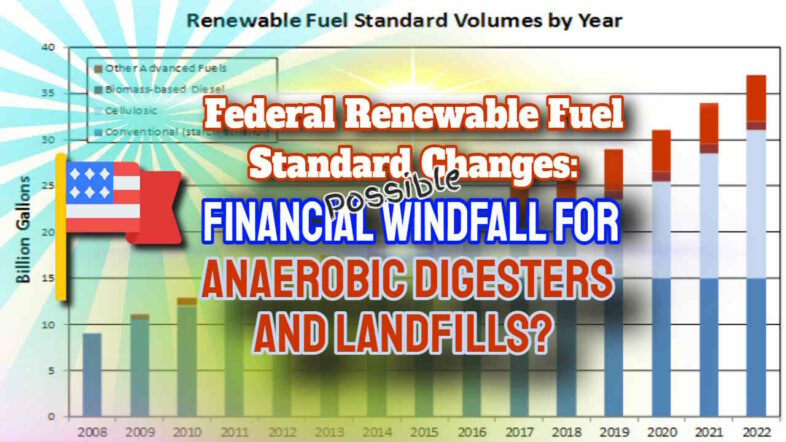
Federal Renewable Fuel Standard Changes: Financial Windfall for Anaerobic Digesters and Landfills?
Depending on how the final details shake out during 2023, proposed changes to the federal Renewable Fuel Standard programme could be a financial boon for operators generating energy from anaerobic digesters and landfills. Introduction The proposed changes to the federal Renewable Fuel Standard (RFS) program in the US could be a financial opportunity for operators […]

ROCs Explained and Why Scheme Closure in 2017 Shocked the UK AD Industry
ROCs Explained! In this article, we explain ROCs (Renewables Obligation Certificates). And, why the 2017 closure of the scheme to new generator capacity and businesses for Anaerobic Digestion was a big shock to the UK AD industry at the time. To many people, it still seems like a mistake and a missed opportunity for UK […]
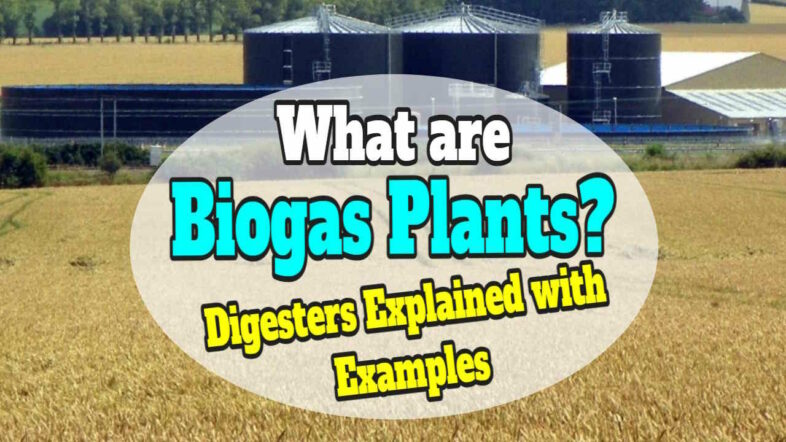
What are Biogas Plants? – Digesters Explained with Examples
So, what are Biogas Plants? Biogas plants are systems that use organic waste to generate renewable energy (biogas). Biogas is a gas mixture composed of methane, carbon dioxide, and other gases formed when organic matter decomposes in the absence of oxygen. Anaerobic digestion is the process of producing biogas from organic waste. The biogas can […]

Gobar Gas the Benefits of Gas from Dung
Gobar gas is also known as “Bio gas” or simply “biogas”. Its main component is animal dung (gobar – India) along with some other organic matter like dead remains of plants and animals. It can be used for cooking, electricity generation and heating purposes. How Does a Gobar Gas Plant Work? A gobar gas plant […]

Advanced Conversion Technologies Extract Energy from Waste – AD Rivals?
Advanced Conversion Technologies is the term for technologies such as gasification and pyrolysis. These could become competitors with Anaerobic Digestion. In fact, a number of innovative advanced, high-temperature processes for Energy from Waste/ Waste to Energy, are beginning to emerge from the far east. Extracting Energy from Waste Provides a Sustainable Source of Energy Advanced […]

Introduction to the Dairy Farm Biogas Production Process
The dairy farm biogas production process begins with the collection of manure and other organic materials from the farm. The organic materials are then mixed with water and degraded by bacteria to create biogas. The biogas is then pressurized, cleaned and purified to grid quality and used to power facilities on the farm. That in […]

Food Waste AD – The Anaerobic Digestion of Inedible Food for Energy and Natural Fertiliser
Food Waste AD is the short way to refer to applying the anaerobic digestion process to food waste. That encapsulates the core philosophy of the movement towards food waste AD. “It’s a crying same that any food is wasted while so many people struggle to feed themselves. Mechanically digesting this waste, partially at least rescues […]

Mass Extinction in 2100 – Is UNFCCC’s Warning – Implement Biogas Decarbonization Now!
Concerned about accelerating mass extinction in 2100, and subsequently? Read this to find out how maximising biogas production now is an essential tool towards the decarbonization of Europe. By decarbonising quickly the benefits accrue over the years and provide much more benefit in reduced temperature rises, than by doing this later. Scroll down to read […]
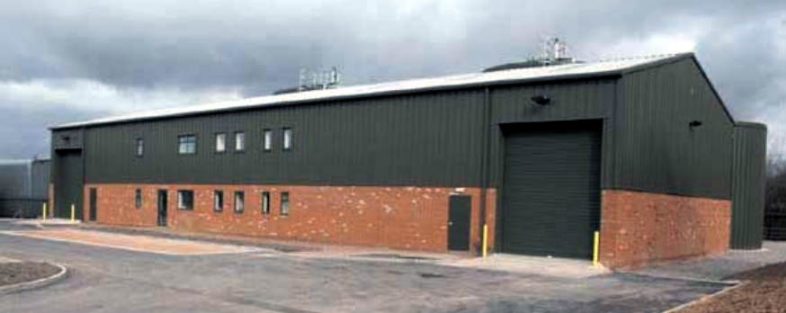
UK Food Waste Anaerobic Digestion Plant – Historic 1st Ludlow Digester
In the UK Food Waste, Anaerobic Digestion Plant History began with the dedicated Food Waste AD Waste Technologies Demonstrator Plant, known as the Ludlow Digester, in Shropshire, UK. It was 2004 when the innovative Greenfinch biogas company designed and subsequently built and operated a government-funded plant, opened to process source-separated kitchen waste from council household […]
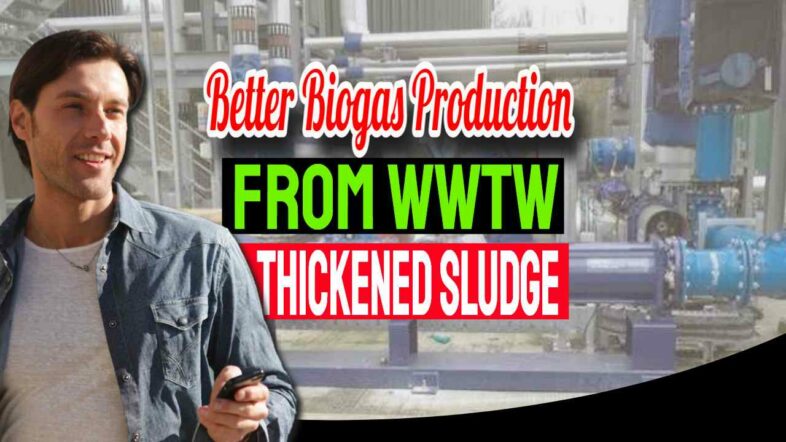
Better Biogas Production from Wastewater Treatment Works Thickened Sludge
Biogas production improvements that raise the yield of methane from any given quantity of biomass fed into an anaerobic digestion plant are the holy grail of AD. The one thing which, above all else, was holding back the development of anaerobic digestion was the current level of profitability which until the steep energy price rises […]
