

Biochar Benefits: Maximizing Energy Recovery From The Anaerobic Digestion Process
Biochar benefits derive from it being a stable, carbon-rich material produced by heating organic biomass (such as wood waste or crop residues) in a low-oxygen environment, a process known as pyrolysis. Biochar acts as a “permanent” soil improver because it does not decompose like traditional compost. Managing food waste often feels like putting out fires […]
England’s Food Waste Revolution: Why Composting-Only Tenders Miss a Golden Opportunity
England’s “Food Waste Revolution” is a government-driven initiative focused on mandatory, consistent food waste collection for households and businesses by April 2026, aiming to divert food from landfills into recycling for energy and compost. It has been designed to reduce waste across the food system, ultimately cutting environmental impact and improving resource efficiency. But, as […]
Biogas Plant Project: Plan, Design & Rough Cost Analysis
Explore the viability of biogas plant projects that convert organic waste into renewable energy and fertilizer. With costs typically ranging from $75-100 per cubic meter, proper sizing is key for optimal returns. Achieve ROI in 2-7 years by offsetting costs through energy production and by-products…

Getting Machine Insurance and Protection for Your Biogas & AD Company
Machine insurance for biogas plants is a specialised type of renewable energy insurance that provides financial protection against a range of risks. While it’s primarily used for biogas facility equipment breakdown, it may also include property damage, business interruption and environmental liability. Key Takeaways Biogas and AD facilities rely on complex mechanical, electrical, and biological […]

Self Propelled Slurry Spreader Hire and Application Services UK
Discover how self-propelled slurry spreaders revolutionize organic fertiliser application in the UK. Offering precise control, reduced soil compaction, and a sustainable alternative to chemical fertilisers, these machines are a game-changer for biogas plant owners and farms seeking cost-effective, environmentally friendly solutions…
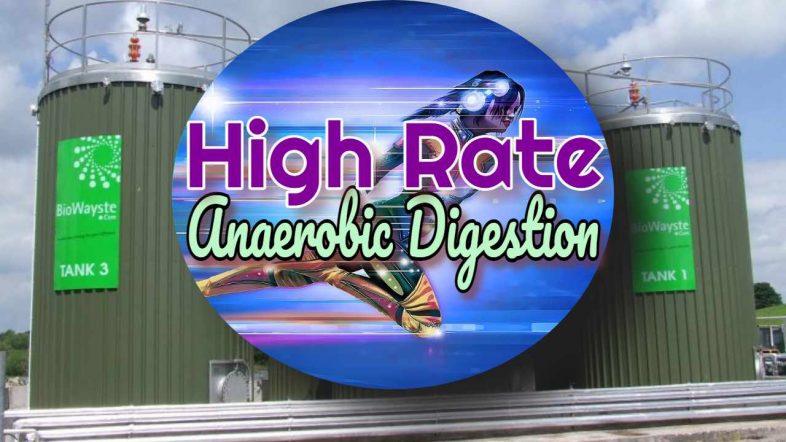
High Rate Anaerobic Digestion Plant Treats Wastewater Effluent Streams
Key Takeaways High-rate anaerobic digestion systems can process organic waste up to 10 times faster than conventional digesters while producing valuable biogas for renewable energy. The most efficient high-rate systems include UASB reactors, EGSB reactors, fixed-film reactors, anaerobic membrane bioreactors, and two-phase systems. Temperature control between 35-55°C and proper pH management (6.8-7.2) are critical factors […]
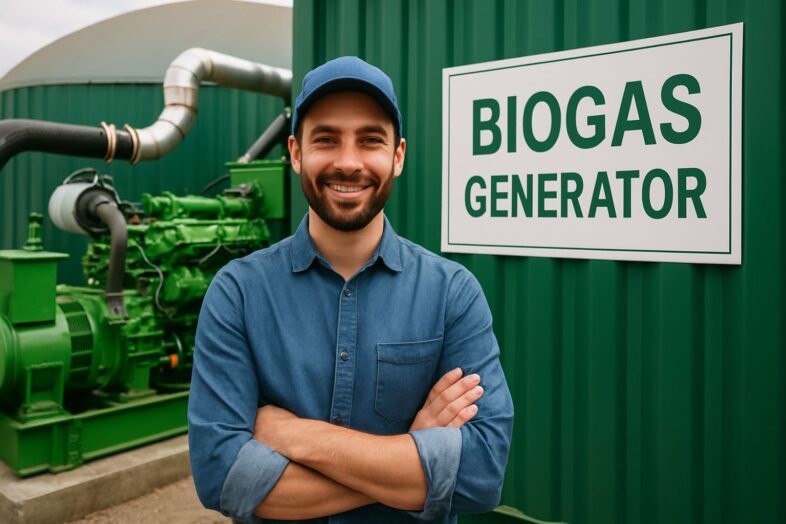
Understanding Biogas Generators: The Future of Waste-to-Energy
Biogas generators transform organic waste into renewable energy, offering a sustainable solution to waste management. By reducing greenhouse gas emissions and producing natural fertilizers, they help lower energy costs and fossil fuel reliance, making them a pivotal part of our renewable energy toolkit…
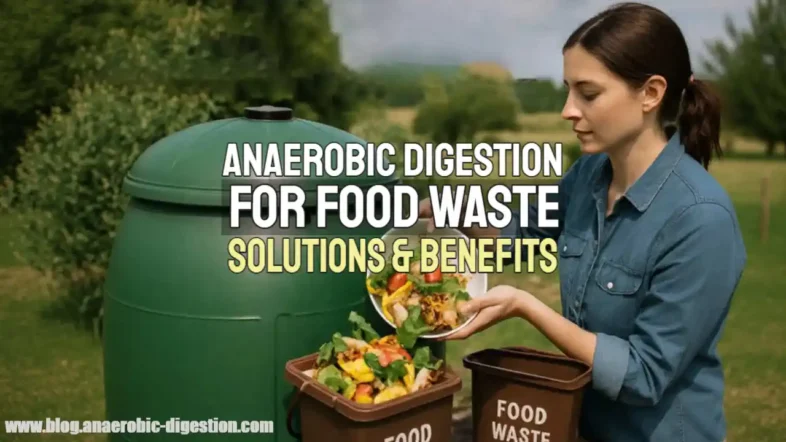
Anaerobic Digestion for Food Waste – Solutions & Benefits
Anaerobic digestion offers a sustainable solution to food waste by converting it into renewable biogas and nutrient-rich fertilizer. This process significantly reduces greenhouse gas emissions and provides cost savings for businesses. Discover how AD can transform waste management and support a circular economy model…
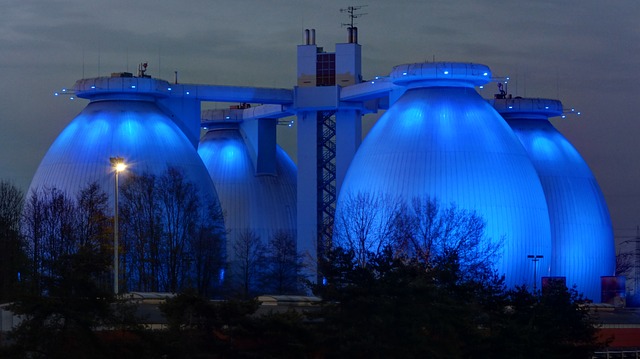
Egg Shaped Anaerobic Digesters – Strange Looking Tanks Explained
Egg Shaped Anaerobic Digesters; Enormous eggs! Whatever next! Have you ever wondered what those huge “strangely other-world like” not quite “spherical” tanks are that you sometimes see? An example image of a US biosolids biogas digester at a sewage works. They are anaerobic digestion process digesters, and very useful they are too! Egg-shaped anaerobic digesters […]
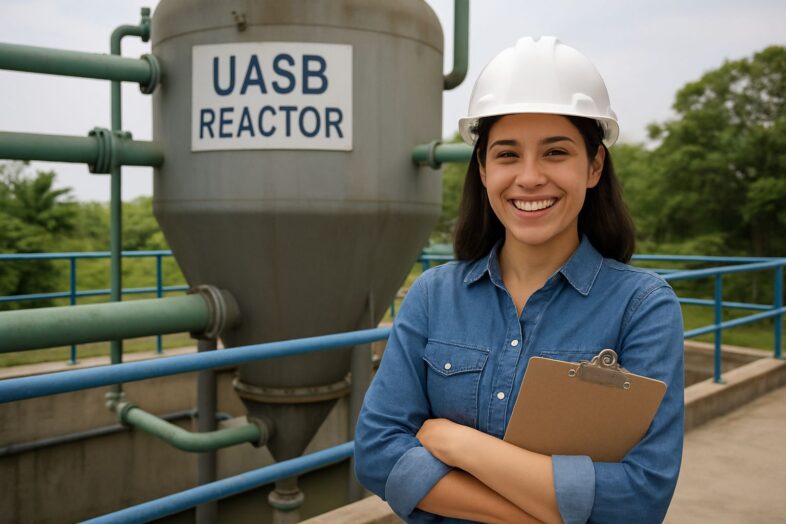
UASB Reactor Design, Process & Advantages
UASB reactors revolutionize wastewater treatment with their anaerobic process, offering energy savings up to 60% and biogas production. The core, a granular sludge bed, ensures high biomass retention, treating industrial waste efficiently. UASB technology minimizes sludge production by 90%, significantly cutting disposal costs and environmental impact…
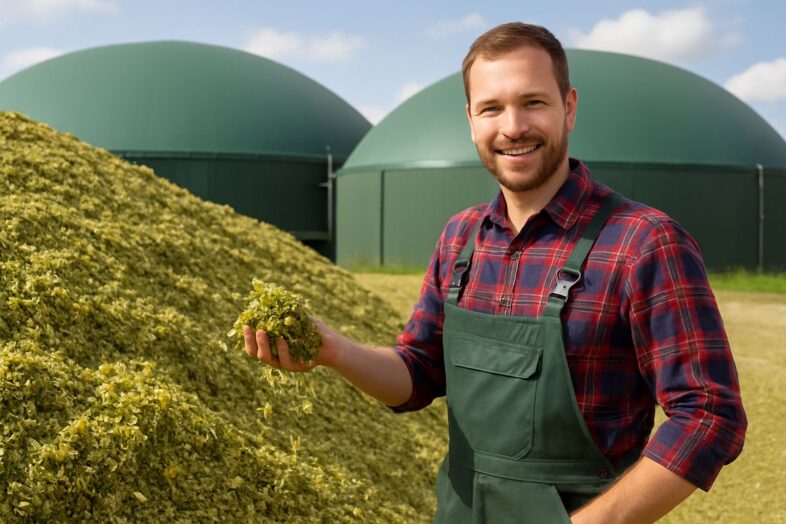
Biogas Yield from Maize Silage vs Grass Silage Pros and Cons
Maize silage yields up to 0.38 m³/kg of methane, dominating biogas with 55% market share. Yet, it raises environmental concerns. Grass silage offers less yield but a higher methane quality. Co-digestion can optimize outputs, presenting a sustainable biogas future…

South Korea Biogas Industry Growth & Opportunities
South Korea’s biogas market is projected to reach US$3.93 billion by 2030, propelled by government initiatives like the Green New Deal. As biogas becomes a cornerstone in energy independence, it invites investors and innovators to partake in transforming waste into power, fueling economic and environmental gains…

How To Reduce Methane Emissions – Perilous Man-Made Climate-Change Forcer
Many people worry about climate change today and how to reduce methane emissions. One big problem is methane, a gas that warms our planet. Methane comes from farms, rubbish dumps, and places where we get oil and gas. It’s important to cut down on this gas because it can make the earth much hotter. That’s […]
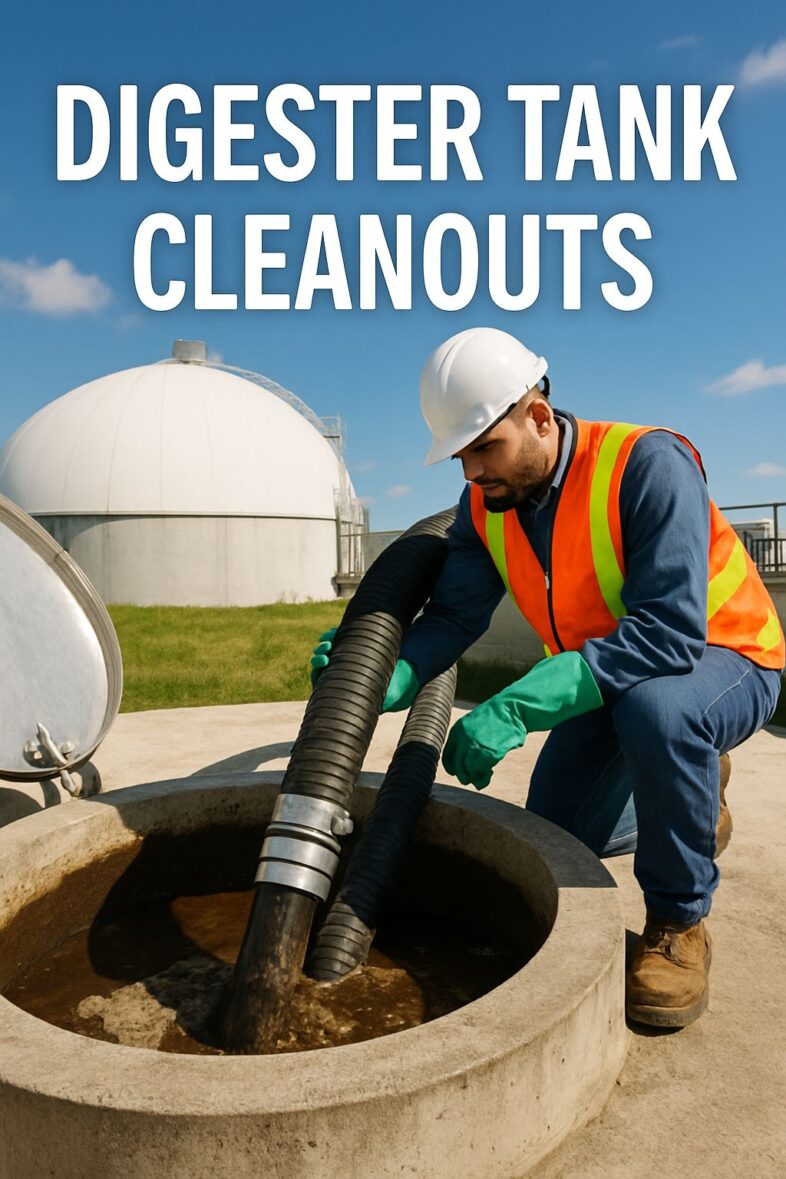
Best Digester Cleaning Services & How to Avoid Tank Cleanouts with Advanced Depackaging & Separation
Digester cleaning prevents costly failures by removing sludge and grit. Professional services boost biogas production and extend equipment life. Advanced depackaging reduces cleanout needs. Proper separation extends maintenance intervals, saving costs from neglected systems and avoiding penalties, making them a vital part of digester care…

The Role of Anaerobic Digestion in Wastewater Treatment – UASBs EGSBs CSTRs and Staging
Anaerobic digestion transforms wastewater into resources through biogas production, enhancing energy efficiency and reducing emissions. With systems like UASBs and EGSBs, it excels in industrial and low-strength waste treatment. Multi-phase staging boosts efficiency, driving sustainable wastewater solutions forward…

