



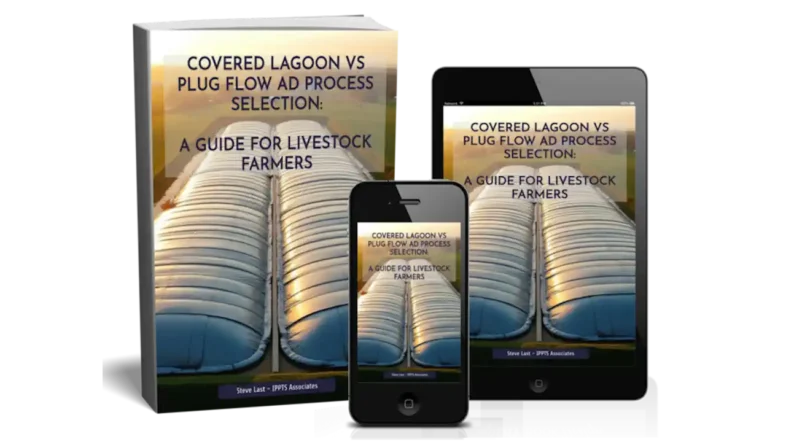
Covered Lagoon vs Plug Flow Digesters: Comparison Guide Released for Livestock Farmers
IPPTS Anaerobic Digestion releases a comparison guide evaluating covered lagoon and plug flow digesters for livestock biogas production, helping farmers match system capabilities to operational requirements and sustainability goals. Steve Last, publisher of this website, has released a comparison guide to help livestock farm owners evaluate two dominant technologies for on-farm biogas production: covered lagoon […]
Good Neighbours or Unwelcome Guests? How UK and US Communities View Biogas Plants Differently
A landmark new survey published this week by the American Biogas Council (ABC) paints a remarkably positive picture of how Americans feel about living near biogas facilities. But cross the Atlantic to the UK, and a very different story emerges from planning committee rooms, parish council meetings and online petition campaigns. The contrast between US […]
Biomethane as a Natural Gas Replacement: How Close Are We?
For decades, natural gas has been the backbone of heating, industrial energy, and electricity generation across the UK and Europe. But a quiet revolution has been gathering pace in farm buildings, food factories, and wastewater treatment works — one that produces a gas molecularly identical to the fossil fuel it aims to replace. Biomethane, the […]
Digestate Disposal Costs and PFAS Contamination: What UK AD Operators Need to Know
Digestate disposal costs can determine whether an anaerobic digestion plant operates profitably or becomes burdened by an expensive liquid by-product. For many plants, particularly food-waste AD facilities, the problem is not producing digestate. The challenge is finding sufficient suitable land, storing the material until it can be used, transporting a predominantly liquid product and demonstrating […]
Biogas To Hydrogen: A Cheaper Option For Hydrogen Production?
The problem is real. Traditional hydrogen production methods cost far too much. They drain budgets and slow down progress towards net-zero goals. Here is where things get interesting for anyone in the anaerobic digestion and biogas industry. The International Energy Agency estimates that global biogas resources could fulfil up to 20 per cent of gas […]
Digestate Transport & Storage Solutions Guide
Digestate is a nutrient-rich byproduct of anaerobic digestion that can replace synthetic fertilizers. Proper storage and transportation are crucial to benefit from its nutrients while complying with regulations. Understanding SSAFO regulations and ADRF documentation is key for seamless digestate management and transport solutions across the UK…
Biogas and Biomethane in France: Market Growth, Policy and 2030 Outlook
Biogas and biomethane production in France has moved from an emerging renewable-energy opportunity to a substantial national industry. France now operates one of Europe’s largest fleets of biomethane-to-grid plants, supported by agricultural feedstocks, municipal and industrial organic wastes, established gas infrastructure and government-backed market mechanisms. When we last reviewed the French market in 2022, we […]
Biomethane Price vs Natural Gas UK – 2026 Update
In February 2022, we published an article based on European Biogas Association data showing that biomethane had become cheaper than natural gas by as much as 30% — a striking claim at a time when the Russian invasion of Ukraine had sent UK wholesale gas prices spiralling to historic highs. Four years on, the energy […]

Biomethane Price Now Lower than Natural Gas by 30% (EBA February 2022)
For the first time, the biomethane price is now lower than natural gas by as much as 30%. That’s the news from the European Biogas Association (EBA). In this article, we explain how renewable pure biogas methane known as rCNG (and RNG) has become substantially cheaper than Natural Gas (a fuel extracted from geological deposits) […]
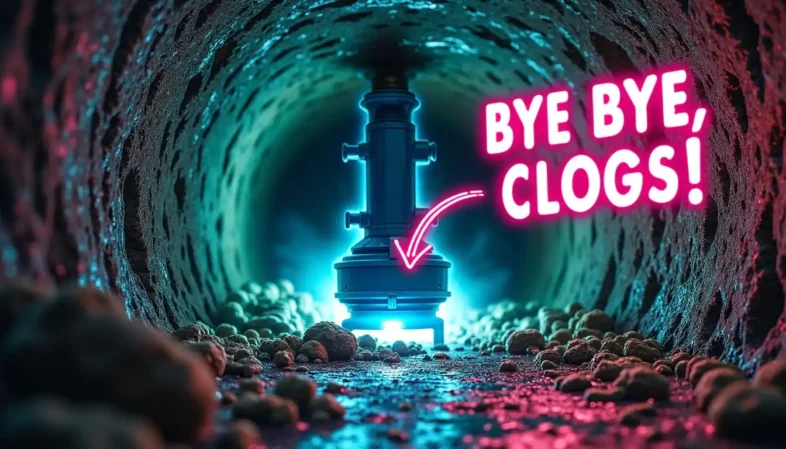
Landia Long-Coupled Chopper Pumps Support Food Waste Biogas Application with HAYLEY DEXIS
In food waste anaerobic digestion, the right pump is rarely just a pump. It is a key part of the plant’s configuration, uptime, maintenance strategy, hygiene control and long-term reliability. That is why pump configuration matters so much in demanding AD and biogas applications. Food waste can be fibrous, viscous, abrasive and unpredictable. It may […]
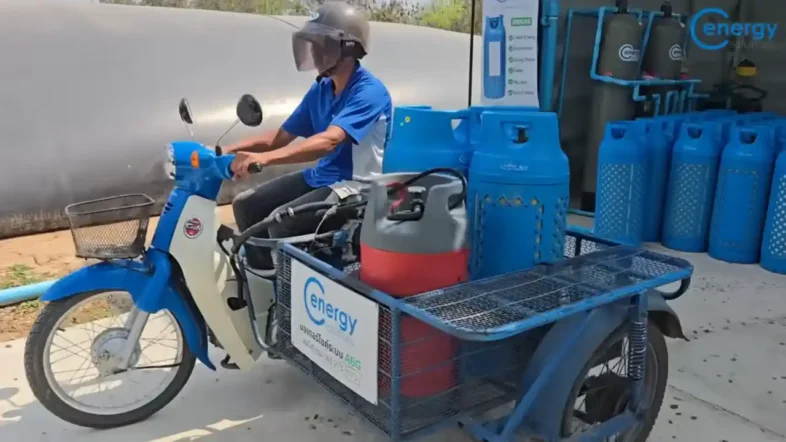
Compressed Biogas in Africa: Could Cylinder-Based Anaerobic Digestion Unlock a Clean Cooking Revolution?
The potential for a massive increase in anaerobic digestion in Africa is no longer just a theoretical opportunity. It is becoming a practical energy, health and waste-management proposition — especially where new biogas cylinder compression technologies make it possible to distribute clean cooking fuel beyond the immediate site of a biogas plant. Recent meetings between […]
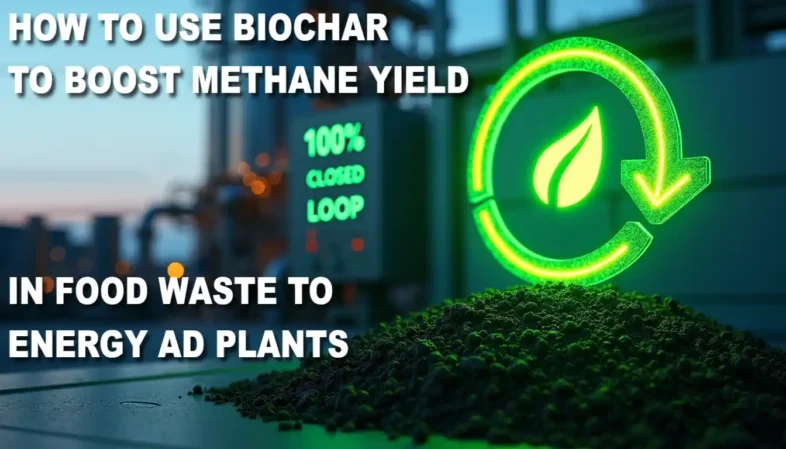
How To Use Biochar To Boost Methane Yield In Food Waste To Energy AD Plants
How to use biochar to make biogas. Does your anaerobic digestion plant feel like it’s constantly fighting against itself? Acid buildup slows things down. Your microbes get stressed. Production drops, especially rapidly, at food waste biogas plants. You reach for chemical buffers. They cost money and bring fresh problems with them. Many waste professionals face […]
